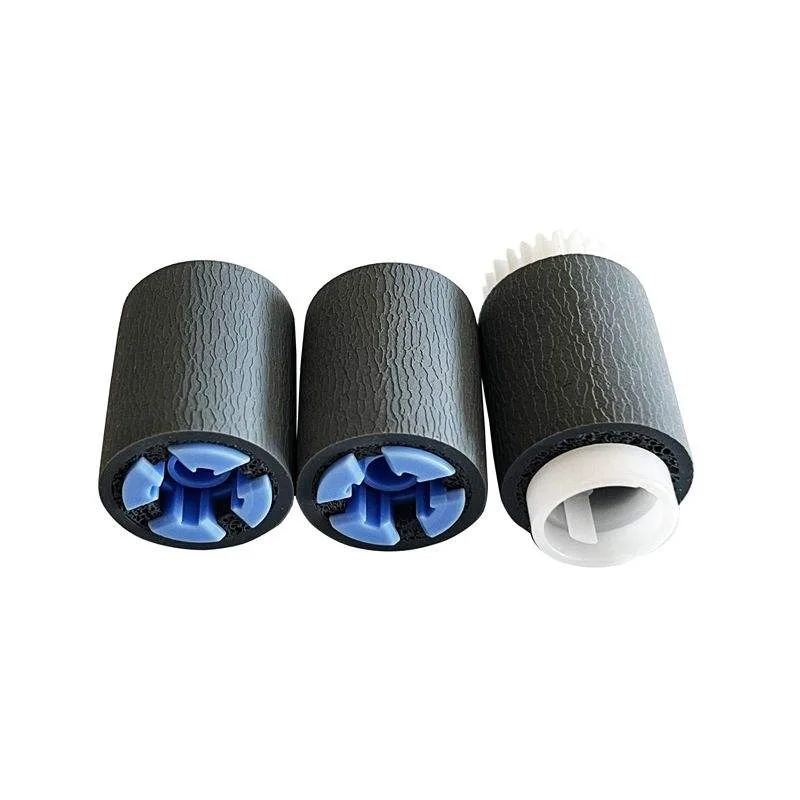
ADF Scanning Platform for Siond: Compatibility, Page Yield & Sourcing Tips
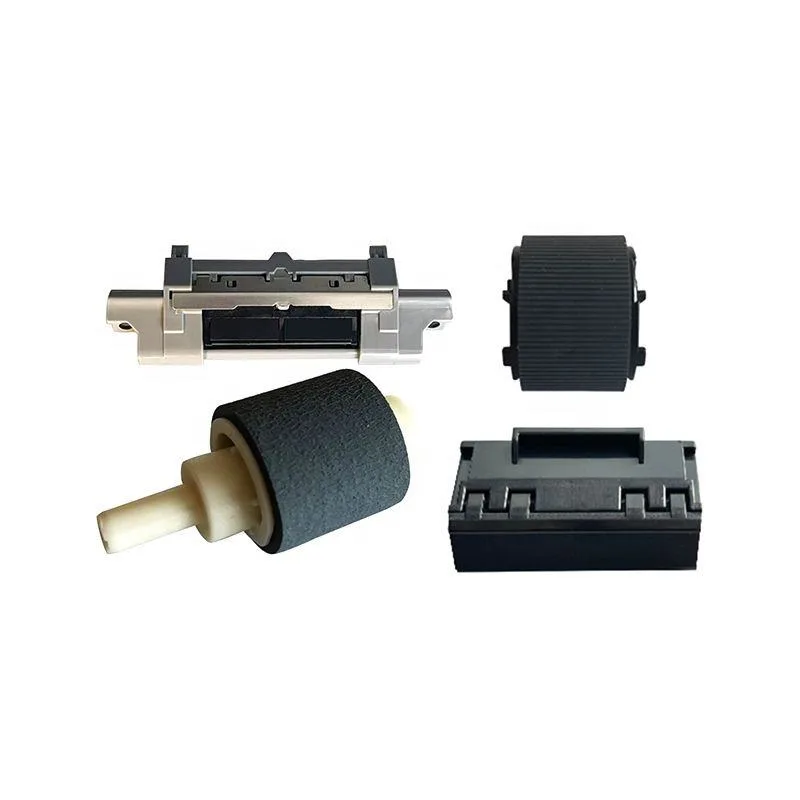
If you're sourcing ADF scanning platforms for Siond copiers, you already know the pain: one wrong part number and you're stuck with a pallet of unusable units. Siond's ADF assemblies are notorious for subtle variations across model generations, and aftermarket suppliers often blur the lines. This guide cuts through the noise with practical advice on compatibility, page yield, and sourcing from a factory that actually builds these parts.
Compatibility: More Than Just Model Numbers
Siond's ADF scanning platform is shared across several model families, but 'shared' doesn't mean interchangeable. The SF-2000 series, for example, uses a platform with a 50-sheet capacity and a specific hinge geometry, while the SF-3000 series bumped capacity to 75 sheets and changed the feed roller position. If you're buying for the SF-3000 but receive an SF-2000 platform, the hinges won't align, and the paper path sensor will trigger false jams. Always cross-reference the OEM part number stamped on the original unit—usually on a label under the left hinge cover. Don't trust the seller's model list alone; ask for a photo of the actual part number.
Another trap: Siond released a mid-cycle revision on the SF-2500 that changed the separation pad material from rubber to a composite. Externally, the platforms look identical. But if you install the older version on a revised SF-2500, you'll see double-feeds within 5,000 pages. The fix is simple—check the serial number break. Siond published a technical bulletin (ref: SIO-ADF-2019-04) that lists the cut-off. Any reputable supplier should know this. If they don't, walk away.
Page Yield: What to Expect and How to Test
Page yield for ADF scanning platforms is a moving target. It depends on paper quality, daily volume, and whether the platform uses a separation roller or a pad. Siond's OEM platforms are rated for 120,000 scans under standard office conditions (20 lb bond, 30% duplex). Aftermarket units often claim the same, but real-world results vary wildly. The weak points are the pick roller and the separation pad—they wear out first. A quality aftermarket platform should deliver 80,000–100,000 scans before needing a rebuild. If a supplier promises 150,000, they're either lying or using inferior rubber that will glaze and slip after 20,000 scans.
To verify yield, don't rely on spec sheets. Ask for a sample and run a 10,000-scan stress test with mixed paper weights. Check for misfeeds every 1,000 scans. A good platform will hold up; a bad one will start double-feeding by 3,000. Also inspect the roller surface—it should be matte, not shiny. Shiny means the rubber is already hardening. CLONER's factory runs this exact test on every batch, and we publish the results for OEM/ODM clients.
Sourcing Tips: How to Avoid Getting Burned
First, demand traceability. Every ADF platform should come with a batch code that links to raw material certificates. Siond's OEM parts have this; most aftermarket don't. If a supplier can't provide it, you're gambling on unknown rubber compounds. Second, check the packaging. Genuine Siond platforms ship in anti-static bags with a desiccant. Aftermarket units often arrive in plain bubble wrap, which means moisture can corrode the sensor contacts during shipping.
Third, negotiate a warranty that covers page yield, not just time. A 12-month warranty is useless if the platform fails at 15,000 scans. Ask for a minimum scan guarantee—say, 60,000 scans or your money back. Fourth, order a small batch first. Even if you've used a supplier before, Siond's platform specs can change without notice. A 50-unit trial run will reveal any issues before you commit to a container load.
- Verify OEM part number against Siond's technical bulletins.
- Request a 10,000-scan stress test report.
- Check for anti-static packaging and desiccant.
- Insist on a scan-count warranty, not just a time-based one.
- Start with a trial batch before bulk ordering.
Why Factory-Direct Matters for Siond ADF Platforms
Buying from a trading company adds a layer of opacity. They don't know the mold history, the rubber supplier, or the revision changes. CLONER manufactures ADF scanning platforms in-house, including the Siond-compatible series. That means we control the tooling, the rubber compound, and the assembly line. For OEM/ODM buyers, we can tweak hinge geometry, roller durometer, and sensor placement to match your exact Siond model—no minimum order quantity games.
We also keep a library of Siond technical bulletins and cross-reference every order against them. If there's a known compatibility issue, we'll flag it before you buy. And because we're factory-direct, you're not paying for three middlemen. Pricing is typically 20–30% below trading company quotes for the same spec. If you're sourcing ADF platforms for Siond copiers, start with a supplier that actually builds them.
Need a quote or samples from CLONER?
Factory-direct OEM/ODM supplier of compatible printer consumables & spare parts. Tell us your models — reply within 24h.