
Bulk Sourcing OPC Drums for Toshiba: MOQs, Lead Times, and QC That Protect Your Reputation
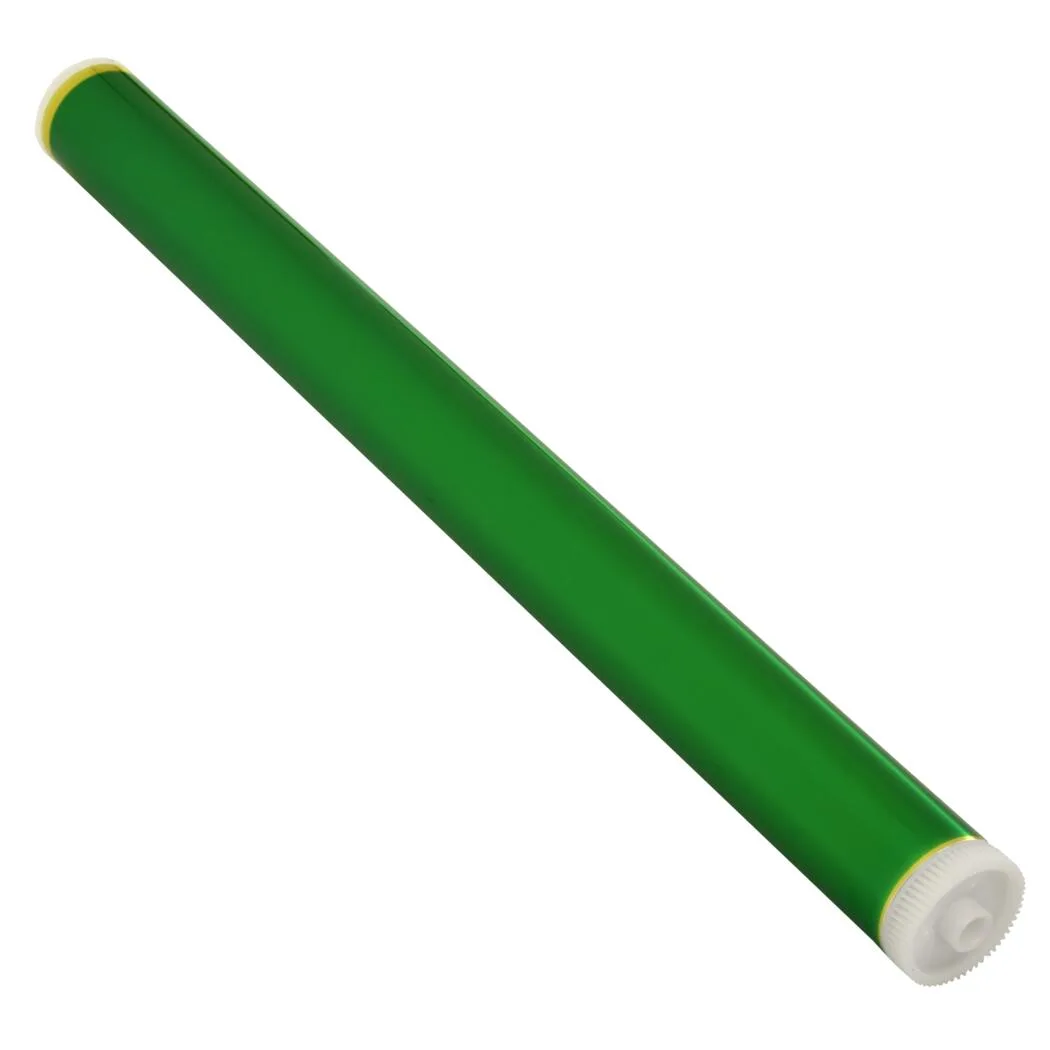
Sourcing OPC drums for Toshiba toner cartridges in bulk carries real risk: one bad batch can trigger service calls, drum unit replacements, and frustrated end-users. The Toshiba installed base—from the e-STUDIO 2500c series to the newer 3505ci—is large but fragmented, and OPC drum specs vary by cartridge model and region. This guide offers practical advice on MOQs, lead times, and quality control so you can buy with confidence.
Understand Toshiba OPC Drum Variants Before You Commit
Toshiba's cartridge families don't share a universal OPC drum. The e-STUDIO 2000/2500 series uses one drum diameter and coating formulation, while the 3005ac/3505ac series uses a different layer thickness and sensitivity. Even within the same family, OEM part numbers can differ by region—a drum sold as compatible for the T-2507E cartridge in Europe may not match the T-2507U used in North America. Before you place a bulk order, confirm the exact cartridge model numbers you'll be servicing and cross-reference them against the supplier's compatibility list. Reputable factories will provide a mapping table; if they can't, walk away.
Also consider whether you need virgin or refurbished drums. Virgin OPC drums are essential for high-yield cartridges where print quality is critical, while refurbished drums can work for low-volume or backup units—but only if the supplier guarantees consistent coating thickness and no scratches. CLONER manufactures both virgin and refurbished OPC drums for Toshiba, so we can advise on the right option for your market. Our engineering team reverse-engineers OEM specs to ensure layer thickness, photosensitivity, and hardness match the original, and we offer OEM/ODM services to private-label drums under your brand.
MOQ: How to Balance Inventory and Cash Flow
MOQs for Toshiba OPC drums typically range from 500 to 2,000 pieces per model, depending on the supplier's production setup. Small workshops may accept 200–300 pieces, but they often lack the coating consistency and clean-room conditions needed for reliable drums. Large factories like CLONER set MOQs at 1,000 pieces per model for standard drums, but we can be flexible for mixed-model orders—for example, 500 pieces each of two popular Toshiba models—to help distributors test the market without overcommitting.
Don't let a low MOQ tempt you into a bad deal. A supplier offering 100-piece MOQs likely buys from a trading company or uses manual coating processes that yield inconsistent drums. Instead, negotiate a trial order that covers your top three Toshiba cartridge models, then scale up after verifying quality. If you're an importer with steady demand, a 1,000-piece MOQ per model is standard and gives you enough volume to negotiate better pricing. Remember that OPC drums have a shelf life of about two years if stored properly, so avoid ordering more than a 12-month supply unless you have climate-controlled storage.
Lead Times: What to Expect and How to Avoid Delays
Standard lead time for bulk OPC drums from Chinese factories is 15–25 working days after deposit, but Toshiba-specific drums can take longer if the supplier doesn't stock the raw coating materials. During peak season (Q3–Q4), lead times can stretch to 35 days. Always ask for a production schedule upfront and confirm whether the quoted lead time includes QC testing and packaging. At CLONER, we maintain a buffer stock of popular Toshiba OPC drum models—like those for the e-STUDIO 2500c and 3505ci—so we can ship within 10–15 days for orders under 5,000 pieces.
Shipping method matters too. Sea freight from China to Europe or the US takes 30–40 days, while air freight cuts it to 7–10 days at a higher cost. For urgent orders, consider a supplier that offers air freight consolidation. Also, clarify Incoterms: FOB is common, but for first-time buyers, CIF or DDP reduces risk. If your supplier can't provide a clear lead time breakdown, that's a red flag—production planning is a basic competency.
QC: The Checks That Separate Good Drums from Bad
OPC drum failures often trace back to coating defects, improper layer thickness, or contamination during packaging. A thorough QC process should include incoming material inspection, in-process coating checks, and final performance testing. Ask your supplier for their QC protocol; a factory that skips electrical property testing (like charge acceptance and dark decay) is gambling with your reputation. CLONER tests every batch for photosensitivity, coating adhesion, and surface roughness, and we keep samples for traceability.
When you receive a bulk shipment, don't just spot-check a few boxes. Pull at least 10% of the drums and inspect them under a magnifying glass for pinholes, scratches, or uneven coating. Then run a print test on a compatible Toshiba machine—look for background fog, gray scale reproduction, and drum life. A simple checklist for incoming inspection:
- Verify part numbers and model compatibility against your order.
- Check packaging for moisture damage or crushed boxes.
- Inspect drum surface for visible defects under bright light.
- Measure coating thickness with an eddy current gauge (target ±2 µm of OEM spec).
- Print a test pattern and compare with an OEM drum baseline.
If you find defects, document them with photos and batch numbers, and request a replacement or credit. Reliable suppliers like CLONER offer a 1–2% defect allowance and replace faulty units in the next shipment. Avoid suppliers who refuse to share QC reports or blame defects on machine conditions—that's a sign they lack process control.
Selecting a Supplier: Beyond Price
Price per drum is important, but the cheapest option often costs more in the long run. Evaluate suppliers on their technical support, consistency, and willingness to customize. A factory that specializes in Toshiba OPC drums will have deeper knowledge of model-specific quirks—like the higher wear rate on the e-STUDIO 2500c drum when used with non-OEM toner. Ask for references from other Toshiba distributors and check if the supplier has ISO 9001 certification. CLONER's factory-direct model means you're buying straight from the production line, not through a middleman, so you get consistent quality and competitive pricing. We also offer OEM/ODM services, including custom packaging and private labeling, to help you build your brand.
Finally, consider the supplier's R&D capability. Toshiba continues to release new models, and a supplier that can quickly develop compatible drums for new cartridges saves you time and money. CLONER's engineering team regularly adds new Toshiba OPC drum models to our catalog, and we work with clients to develop custom solutions for niche or legacy machines.
Ready to streamline your Toshiba OPC drum supply? CLONER's factory-direct model and OEM/ODM expertise give you control over quality, cost, and lead time. Contact us with your target models and volumes, and we'll send a detailed quote with MOQs, lead times, and QC specs—no guesswork.
Need a quote or samples from CLONER?
Factory-direct OEM/ODM supplier of compatible printer consumables & spare parts. Tell us your models — reply within 24h.


