
Bulk Sourcing Tray Paper for Kyocera: MOQ, Lead Time and QC for Printer Maintenance Parts
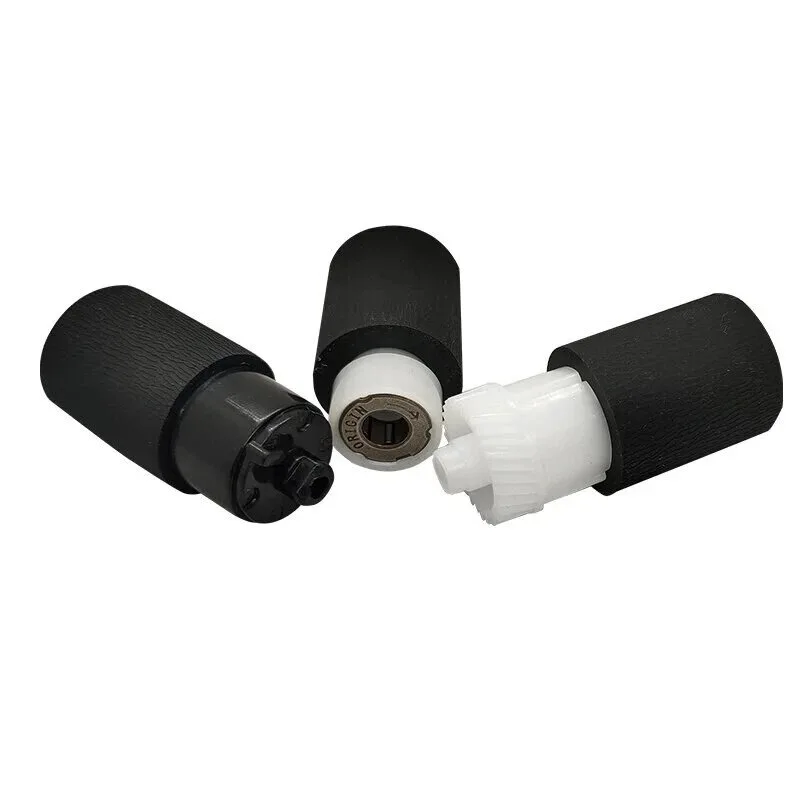
Tray paper for Kyocera printers rarely gets attention until a shipment arrives with the wrong grain direction or burst strength that fails on the first feed. For B2B buyers, the stakes are higher than a few reams—poor-quality tray paper leads to jams, skewed prints, and service calls that erode margin. This guide covers the sourcing details that matter: MOQ, lead time, and the QC steps that separate a smooth bulk order from a costly lesson.
MOQ Benchmarks for Kyocera Tray Paper
Kyocera tray paper is typically specified as 60–90 gsm cut-size sheets, often in A4 or Letter, with controlled moisture content and curl for reliable feeding in models like the ECOSYS M2540, P3155, and TASKalfa series. Most Chinese and Southeast Asian factories set MOQs at 1,000 reams (500 sheets per ream) for standard grades. Custom packaging or private-label runs usually require 3,000–5,000 reams per SKU. Distributors servicing multiple Kyocera models can consolidate A4 and Letter into one order to hit a lower per-SKU MOQ.
CLONER’s factory-direct model allows mixed-model orders: you can combine tray paper for Kyocera with other maintenance parts—fuser units, feed rollers, separation pads—to reach a container load. Trading companies often insist on single-product MOQs; that flexibility is rare. For OEM/ODM buyers, we adjust sheet size, packaging, and even paper stiffness to match Kyocera’s OEM specifications without jumping to a full container per item.
Lead Time Planning: From Order to Delivery
Standard lead time for bulk tray paper is 25–35 days from order confirmation, depending on the mill’s production schedule and your order volume. Add 15–20 days for ocean freight to major ports in Europe or North America, and another 5–7 days for customs clearance and inland delivery. During peak season (Q3–Q4), add two weeks—paper mills often prioritize large publishing orders, and tray paper can get bumped.
OEM/ODM orders with custom printing or packaging extend lead time to 40–50 days. The mill produces the base paper, then sends it to a converter for cutting and wrapping. CLONER keeps buffer stock of common Kyocera tray paper grades, shortening lead time to 20–25 days for repeat orders. We also provide production updates every 10 days, so you’re not guessing when the container will be ready.
QC Checkpoints: What to Inspect Before the Container Leaves
Tray paper quality issues rarely show up until the end user runs a job. By then, you’ve paid for the goods and the freight. The most common failures are inconsistent sheet size (causing misregistration), high moisture content (leading to curl and jams), and low burst strength (resulting in torn sheets inside the printer). Your QC protocol should include:
- Basis weight and thickness verification – check against Kyocera’s spec (e.g., 80 gsm ±3%).
- Moisture content test – should be 4.5–5.5%; higher causes curl.
- Sheet size and squareness – tolerance ±0.5 mm; out-of-square sheets cause skew.
- Burst strength and tensile test – ensures sheets withstand the feed mechanism.
- Packaging integrity – ream wrap must be tight; loose reams absorb moisture in transit.
CLONER performs these checks on every batch and provides a QC report with each shipment. For OEM/ODM orders, we also run a print test on Kyocera ECOSYS and TASKalfa machines to confirm feed reliability. If you have your own lab, we can send pre-shipment samples for your approval—no surprise batches.
Common Pitfalls in Kyocera Tray Paper Sourcing
One frequent mistake is assuming all 80 gsm paper is the same. Kyocera printers are tuned for specific paper stiffness and surface friction; using a generic grade can cause double-feeds or misfeeds. Another pitfall is ignoring packaging: tray paper shipped in containers without moisture barrier bags can absorb humidity during the voyage, leading to wavy edges. Always specify desiccant packs and stretch-wrapped pallets.
Buyers also underestimate grain direction. For Kyocera models with a straight paper path, grain direction should run parallel to the feed direction to minimize curl. If you’re sourcing from a new supplier, request a sample and test it on the actual machine—not just a lab test. CLONER’s OEM/ODM team can advise on grain direction and sheet orientation based on your target Kyocera models.
Why Factory-Direct Matters for Kyocera Maintenance Parts
When you buy through trading companies, you lose visibility into the production process and often pay a 15–20% markup. CLONER manufactures tray paper and other Kyocera maintenance parts in our own facility, so we control quality from pulp to pallet. That means consistent specs, faster issue resolution, and the ability to customize packaging or sheet size without middlemen. For distributors who need to stock multiple Kyocera models, we offer mixed pallets and private-label options with no extra MOQ on standard grades.
Our OEM/ODM service covers everything from custom ream wraps to sheet size adjustments for specific Kyocera machines. If you’re launching a new line of maintenance kits, we can produce tray paper that matches your brand’s requirements and ship it alongside fusers and rollers—one container, one invoice, one QC report. That’s the practical advantage of a factory-direct partner who knows Kyocera’s feeding quirks as well as you do.
Need a quote or samples from CLONER?
Factory-direct OEM/ODM supplier of compatible printer consumables & spare parts. Tell us your models — reply within 24h.


