
Fuser Assembly for Siond: Compatibility, Page Yield and Sourcing Tips
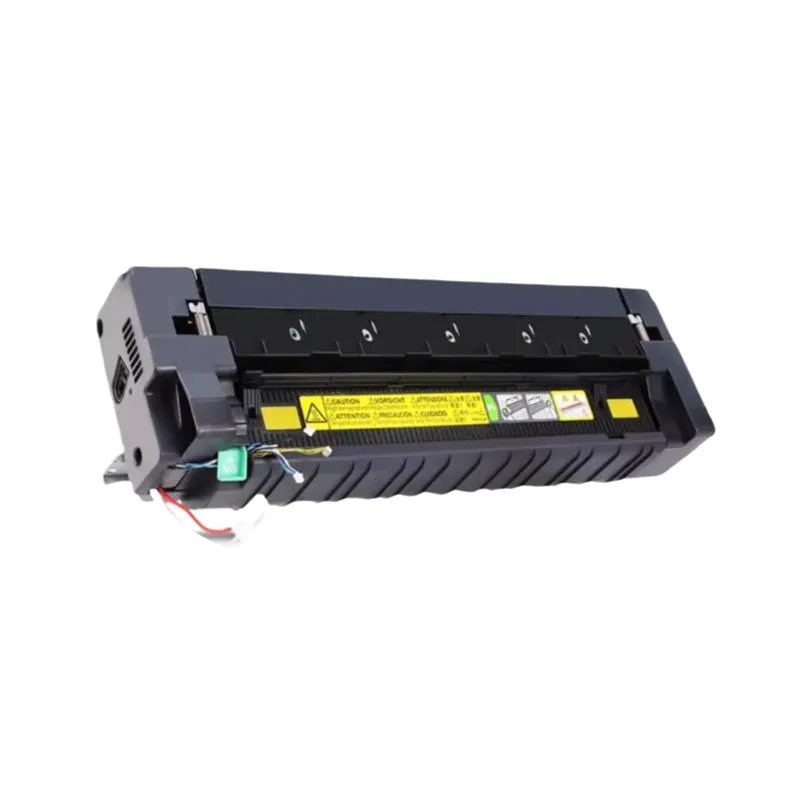
If you're sourcing fuser assemblies for Siond copiers, you already know the stakes: a failed fuser means downtime, customer complaints, and costly returns. But not all fusers are created equal. Compatibility varies across models, page yield claims often mislead, and sourcing from the wrong supplier can leave you with a container of paperweights. This guide cuts through the noise with practical advice from the factory floor.
Compatibility: More Than Just Model Numbers
Siond's copier lineup spans several generations, and fuser assemblies are not interchangeable across all models. For instance, the Siond SD-2000 series uses a different fuser housing than the SD-3000 series, even though they share the same toner. The mounting brackets, connector pinouts, and gear ratios differ. Always verify the part number against the machine's serial number range—Siond made mid-production revisions that changed the fuser's pressure roller diameter. A fuser that fits an early SD-3050 may not fit a later one.
Beyond the obvious, check the firmware compatibility. Some Siond models require a fuser with a specific thermistor resistance curve; using a generic fuser can trigger error codes like "Fuser Unit Not Installed" or cause intermittent jamming. We've seen buyers try to force-fit a fuser from a similar model, only to spend hours troubleshooting. CLONER's OEM/ODM service includes a compatibility matrix that maps every Siond model to the correct fuser variant, so you can order with confidence.
Page Yield: What the Spec Sheet Doesn't Tell You
Manufacturers rate fuser yield at 5% page coverage on plain paper, but real-world usage varies wildly. A fuser rated for 200,000 pages might fail at 120,000 if your customers run heavy cardstock or envelopes. The weak points are the pressure roller and the heating element. Lower-quality fusers use thinner rollers that flatten prematurely, causing wrinkles and poor fusing. The heating lamp's wattage also matters: underpowered lamps may not reach fusing temperature quickly, leading to smudging on the first few pages after startup.
When evaluating a supplier, ask for the actual test conditions. Reputable factories like CLONER run fusers through accelerated life tests with varying media weights and duty cycles. We publish yield data based on 8% coverage—a more realistic figure for office environments. If a supplier can't provide test methodology, treat their yield claims as marketing fluff. Also, consider the fuser's rebuildability: some designs allow roller replacement, extending the assembly's life. CLONER offers both new and remanufactured fusers, with remanufactured units using OEM-grade rollers and lamps.
Inspection: What to Check Before You Buy
Whether you're evaluating a sample or auditing a supplier, focus on these critical areas. First, examine the pressure roller surface: it should be smooth, free of flat spots, and have a uniform durometer (hardness). A quick test is to press a thumbnail into the roller—it should rebound immediately. Second, check the heating element for even resistance across the lamp; variations indicate poor quality control. Third, inspect the gears for burrs or cracks—these cause noise and premature wear. Fourth, verify the connector and wiring harness for secure crimps and proper insulation.
For a more thorough assessment, request a test report that includes fusing quality at different speeds and temperatures. CLONER provides detailed inspection reports with every shipment, including photos of critical components and test data. If you're sourcing from a trading company, insist on seeing the factory's own QC records—many traders skip this step.
Sourcing Tips: Avoiding the Common Pitfalls
Price is important, but the cheapest fuser often costs more in returns and reputation damage. Look for suppliers that specialize in copier parts, not general electronics. They understand the nuances of fuser design and can advise on model-specific issues. Lead times matter too: fusers are bulky, and airfreight is expensive. A factory-direct supplier like CLONER can consolidate shipments and offer flexible order quantities, whether you need 50 units or 500.
Another tip: ask about warranty terms. A 12-month warranty is standard for quality fusers, but some suppliers offer only 3 months. Also, check the packaging—fusers are sensitive to shock and moisture. CLONER uses custom-molded foam and moisture-barrier bags to ensure the product arrives in pristine condition. Finally, consider the supplier's OEM/ODM capabilities. If you need custom labeling or packaging for your brand, CLONER can accommodate that with minimal minimum order quantities.
Why Factory-Direct Matters for Siond Fusers
Buying from a trading company adds a layer of markup and often delays problem resolution. CLONER manufactures fuser assemblies in our own facility, giving you direct access to engineering support and quality control. We stock a wide range of Siond-compatible fusers and can customize solutions for specific models. Our OEM/ODM service includes design modifications, such as upgraded rollers for high-volume environments, and private labeling for your brand. With factory-direct pricing and a commitment to quality, we help you reduce costs and keep your customers happy. Contact us for a quote and sample today.
Need a quote or samples from CLONER?
Factory-direct OEM/ODM supplier of compatible printer consumables & spare parts. Tell us your models — reply within 24h.


