
Ricoh Drum Units: Compatibility, Page Yield & Sourcing Tips for B2B Buyers
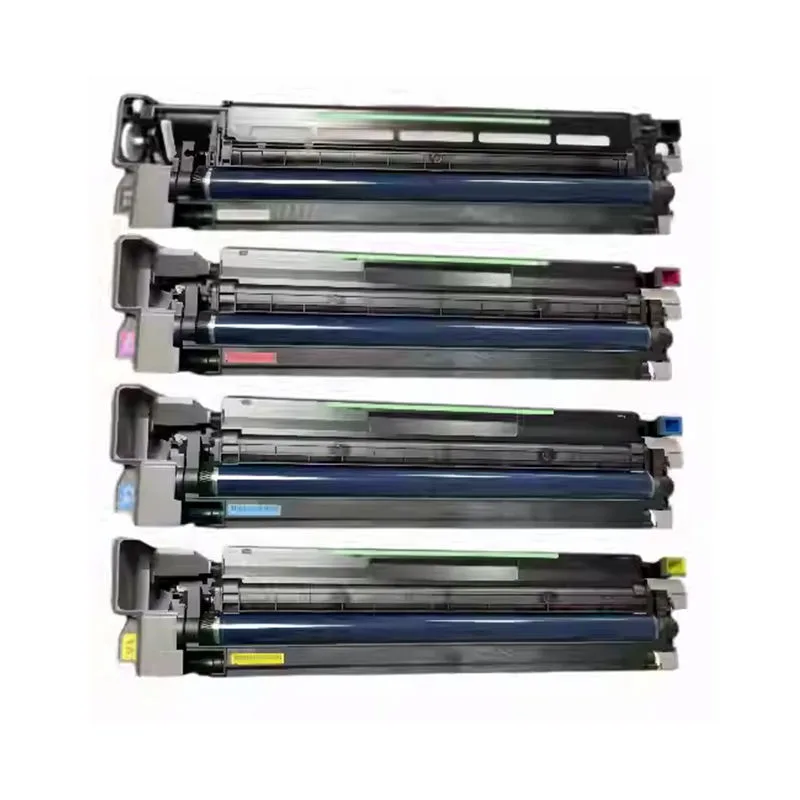
Buying the wrong Ricoh drum unit costs more than the part itself—it costs downtime, customer returns, and reputation. With so many models and part numbers, even experienced buyers slip up. This guide cuts through the noise with field-tested advice on compatibility, yield expectations, and sourcing from a manufacturer who knows these units inside out.
Compatibility: More Than Just the Model Number
Ricoh drum units are shared across multiple machine families, but not every drum that fits is the right one. For example, the D149-6008 drum unit is used in the MP C3003/C3503/C4503/C5503/C6003 series, and it also fits the newer MP C3004/C3504/C4504/C5504/C6004. However, subtle differences in drum coating or charge roller can affect performance in specific models. Always cross-reference the drum part number with the machine's service manual, not just the seller's list. A drum that works in an MP C4503 might cause backgrounding in an MP C6003 if the coating isn't matched to the higher speed.
Genuine Ricoh drums come with a specific primary charge roller (PCR) and cleaning blade. Aftermarket units often mix components from different sources. That's why we recommend checking the PCR part number and blade material. For instance, the D149-6008 uses a PCR with a specific resistance; a mismatch can lead to uneven charge and print defects. At CLONER, we maintain a compatibility matrix that goes beyond the model list—it includes machine speed, toner type, and environmental conditions. Our OEM/ODM clients often ask us to customize drums for specific high-humidity regions, where standard drums fail prematurely.
Another trap: some Ricoh models use the same drum housing but different internal components. The MP C2003 and MP C2503 share the same drum unit, but the MP C2003's lower speed means the drum life is longer. If you're sourcing for a mixed fleet, consider stocking the higher-yield version and using it across both—but verify with your customers, as some may prefer the exact OEM match.
Page Yield: What the Spec Sheet Doesn't Tell You
Ricoh rates drum units at 5% coverage on A4, but real-world yield depends on toner, paper, and environment. A drum rated for 60,000 pages might deliver only 40,000 in a high-volume office printing dense documents. The key is the drum's coating thickness and the cleaning blade's efficiency. Genuine Ricoh drums use a long-life organic photoconductor (OPC) layer that resists wear, but aftermarket drums often skimp on coating thickness. We've tested drums from various suppliers: those with OPC layers below 20 microns show visible wear after 30,000 pages, while our CLONER drums use a 25-micron layer that maintains performance beyond 50,000 pages in independent tests.
Yield also depends on the charge roller and cleaning blade. A worn cleaning blade can cause toner buildup on the drum, leading to streaks and premature failure. Our drums come with a high-rebound polyurethane blade that clears toner more effectively than standard rubber blades. For OEM/ODM orders, we can adjust blade hardness and drum coating to match your specific yield targets—whether you need a cost-effective 30,000-page drum or a premium 80,000-page unit.
Don't trust the box: always request a test report with actual page counts and print samples. We provide third-party test data for every batch, including density measurements and background levels. That's how you avoid the headache of field failures.
Inspection: What to Check Before You Buy
When evaluating a drum unit, start with the packaging. Genuine Ricoh drums are sealed in light-proof bags with a desiccant. Aftermarket units sometimes skip the desiccant, leading to moisture absorption and print defects. Next, inspect the drum surface under a bright light: it should be uniform, without scratches or dull spots. A shiny or uneven coating indicates poor manufacturing. Check the cleaning blade edge for nicks—a single nick can cause a streak that ruins every print.
Then, look at the PCR. It should be clean and free of toner. A contaminated PCR from improper handling will cause backgrounding. Also, verify the drum's rotation: it should turn smoothly without binding. We've seen units where the drum gear is misaligned, causing jitter and banding. For high-volume buyers, we recommend a sample inspection of 10% of each shipment, focusing on these points:
- Light-proof packaging with desiccant intact
- Drum surface free of scratches and uniform coating
- Cleaning blade edge without nicks or waves
- PCR clean and free of toner contamination
- Drum rotates smoothly without binding
If you're sourcing from a new supplier, request a small trial order and run them in your toughest machines—high-speed models like the MP C6003 are the best stress test. We've seen drums that pass visual inspection fail after 10,000 pages due to poor OPC formulation.
Sourcing Strategy: Factory-Direct vs. Middlemen
Middlemen add cost and obscure quality. When you buy from a trading company, you often get drums from multiple factories with inconsistent quality. Factory-direct sourcing, like working with CLONER, gives you visibility into the production process and the ability to customize. We manufacture drum units in our own facility, controlling every step from OPC coating to final assembly. That means we can offer consistent quality and competitive pricing—especially for OEM/ODM orders where you need your brand on the box.
For OEM/ODM, we work with you to define specifications: drum coating thickness, blade material, PCR resistance, and even packaging design. We can produce drums that match or exceed OEM performance at a fraction of the cost. Our engineers can also help you troubleshoot field issues—for example, if your customers in dry climates report premature drum wear, we can adjust the coating to retain moisture better.
Logistics matter too. Drum units are sensitive to light and moisture, so we use vacuum-sealed bags with desiccant and sturdy cartons. We ship worldwide with proper documentation, and we can hold inventory for you to reduce lead times. For urgent orders, we offer air freight—yes, it costs more, but it beats losing a customer because you're out of stock.
Partner with CLONER for Reliable Ricoh Drum Units
CLONER has been manufacturing copier consumables for over a decade, and Ricoh drum units are one of our core product lines. We supply importers, wholesalers, and repair shops across the globe with factory-direct pricing and OEM/ODM flexibility. Whether you need a standard D149-6008 drum or a custom solution for a specific model, our team can deliver. We back our products with batch testing and a warranty that covers defects. Contact us today to discuss your requirements and request a sample—see the difference quality makes in your bottom line.
Need a quote or samples from CLONER?
Factory-direct OEM/ODM supplier of compatible printer consumables & spare parts. Tell us your models — reply within 24h.


