
Siond Tray Paper: Fitment, Yield, and Sourcing Without Guesswork
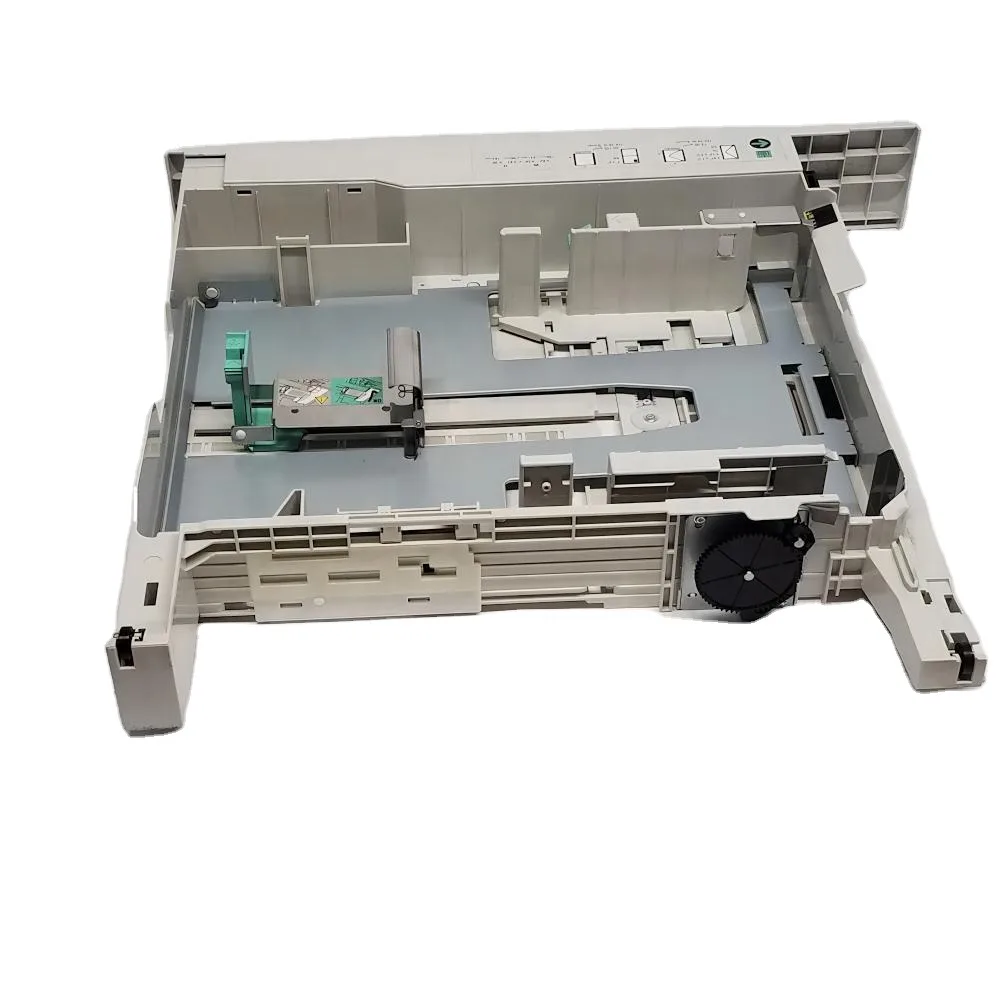
Siond tray paper looks simple on a quotation sheet, but it is one of those parts where a half-millimetre of misfit shows up as a jam code on a customer's floor and a chargeback on your ledger. Buyers who treat it as a commodity usually come back with complaints about pickup rollers skipping or decks refusing to lift. The difference between a clean reorder and a returns headache is almost always decided before the PO is signed — in model mapping, grammage tolerance and how the ream is wrapped.
Which Siond Models Actually Share Tray Paper
Siond's copier families reuse cassette platforms across several badge-engineered machines, so tray paper that fits one model often covers a cluster of three or four. The common trap is assuming every Siond desktop MFP in the 25–45 ppm band takes the same cut sheet. In practice the tray geometry splits along feeder design: the older friction-retard decks on the entry-level monochrome units want a slightly shorter sheet with tighter cut tolerance, while the duplex-capable mid-range chassis use a longer cassette that tolerates a wider dimensional window. Cross-reference by cassette part number, not by marketing model name, and you will catch the mismatches early.
Ask your supplier for the cassette compatibility matrix in writing, including the OEM part numbers the sheet is dimensioned against. A serious factory will have that table already built from reverse-engineered samples. Where CLONER handles Siond-compatible tray paper, the mapping is done from physical cassette pulls rather than catalogue guesses, which is why the ODM sheets we cut for private-label programmes ship with a per-model fitment list attached to the carton.
Watch the colour and finish variants too. Some Siond service manuals specify a particular brightness for the tray liner stock used in the registration area, and a cheaper uncoated substitute can raise static enough to cause double-feeds in dry rooms. If your market runs low humidity, flag that to the factory before tooling.
Reading Page Yield Claims Without Getting Burned
Yield figures for tray paper are quoted against a standard test pattern, usually 5% coverage on A4 at a stated humidity. The number on the box is a laboratory ceiling, not a field average. Real offices run 8–12% coverage on mixed documents, and duplex jobs chew through sheets faster because every second side is a fresh pass through the registration area. Treat the printed yield as a relative ranking between grades, not a promise you can repeat in a customer's branch office.
Grammage tolerance is the quieter yield killer. A sheet specified at 80 gsm that drifts to 76 gsm will feed more reliably in a worn cassette but cockles under fuser heat, and you get curl complaints within a month. Ask for the tolerance band in the spec sheet — good mills hold ±3%, and the factory should be able to show you incoming inspection records. If a quote is dramatically under market, the grammage is usually where the saving was taken.
For tender work, quote yield as a range with the test conditions stated. Buyers who put a single hard number on a bid document end up defending it in service calls. A short note on coverage, paper size and humidity protects both sides and makes your offer look more professional than the competitor who simply copied the OEM figure.
What to Inspect Before You Commit a Container
Start with the cut. Measure sheet length and width at three points on a sample from the top, middle and bottom of a ream — dimensional drift through the stack is the most common cause of edge-feed jams. Then check squareness; a sheet cut out of square by more than a millimetre will skew in the registration area even if the dimensions are nominal. Run a fingernail along the cut edge: a clean guillotine finish feels smooth, while a ragged edge sheds fibres into the feed path.
Moisture content matters more than most buyers realise. Ream-wrapped stock that has absorbed humidity in transit will feed short and jam on the first pass. Ask for the packing date and the moisture spec, and insist on shrink-wrap with a desiccant where the route crosses a tropical leg. Finally, load a sample ream into an actual Siond cassette and run 200 sheets through a duplex cycle before you approve the lot. That single test catches more problems than any paperwork.
- Measure length, width and squareness on top, middle and bottom sheets of a ream.
- Confirm grammage tolerance band and request incoming mill inspection records.
- Check cut-edge quality for fibre shedding and ragged guillotine marks.
- Verify packing date, moisture spec and shrink-wrap integrity.
- Run a 200-sheet duplex feed test in a genuine Siond cassette.
Sourcing Terms That Protect the Reorder
Lock the specification into the purchase agreement as an annex, not a line item description. Include grammage band, dimensional tolerance, moisture range, packing configuration and the cassette part numbers covered. That annex is what you point to when a later lot arrives slightly off and the factory wants to argue. Reputable manufacturers welcome it; traders who are reselling someone else's stock usually resist.
Order in mixed pallet configurations if your customer base is fragmented. Siond installs are spread across small offices and repair shops, and a full pallet of one sheet size ties up capital. A factory that runs its own cutting line can build mixed pallets without much fuss, which is one reason to buy direct rather than through a stacked distribution chain. Lead time and MOQ flexibility tend to improve in the same conversation.
Keep a retained sample from every lot — sealed, dated and stored dry. When a service complaint lands six months later, the retained sample settles the question of whether the paper changed or the machine did. It is a cheap habit that has saved more supplier relationships than any warranty clause.
Why Fitment Matrices Beat Catalogue Specs
Most sourcing errors trace back to trusting a catalogue spec over a physical fitment check. Siond's badge-engineering means the same cassette part number can appear under three different model names, and a sheet that works in one chassis may bind in another. A written fitment matrix built from actual cassette pulls eliminates that ambiguity. Insist on it from any supplier, and verify it against your own sample pulls before you scale.
CLONER runs tray paper for Siond-compatible machines on its own converting lines, with cassette mapping built from physical samples, grammage held to a stated tolerance band and OEM/ODM private-label programmes available from modest MOQs. If you are building a Siond range for a regional distributor or a repair-shop network, send over the model list and cassette part numbers and we will come back with a fitment matrix, sample reams and a mixed-pallet quotation you can take straight to your customers.
Need a quote or samples from CLONER?
Factory-direct OEM/ODM supplier of compatible printer consumables & spare parts. Tell us your models — reply within 24h.


