
Original Tray Paper for Konica Minolta: Sourcing, Inspection and Fitment Notes
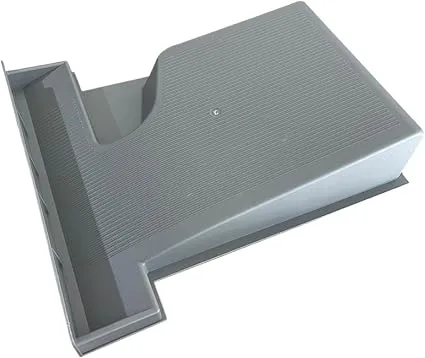
Most tray paper complaints on Konica Minolta machines start with the purchase order, not the paper. A buyer compares quotes on price per ream, ships a container, and later discovers the sheets are 0.05 mm under caliper or cut against the grain. The machine jams at the bypass tray, the customer blames the consumable, and the importer absorbs the claim. Konica Minolta tray paper is a fitment part as much as a consumable. It must be bought that way.
Know Which Konica Minolta Series You Are Feeding
Tray paper demand splits cleanly across the Konica Minolta range. The bizhub C224e/C284e/C364e generation and the newer C300i/C360i/C450i boxes run a lot of 80 gsm A4 through trays 1 and 2. Those machines are sensitive to sheet curl in humid warehouses. The monochrome workhorses — bizhub 223/283/363 and the 454e/554e — tolerate cheaper stock but punish poor cut quality at the registration roller. High-volume users on the bizhub PRO and AccurioPress lines are a different conversation: they want 90–120 gsm and consistent moisture, not the cheapest ream on the market.
Ask the buyer which series dominates their install base before quoting. A paper that runs clean on a 363 may curl at the fuser on a C360i. A stock that suits an AccurioPress is overkill for a 50-machine dealer network. Matching grade to the installed fleet is the first cost decision, not the last.
What to Check on the Inspection Table
Paper inspection is fast if you know where the failures hide. Caliper first — measure ten sheets with a micrometer, not one. A nominal 80 gsm that reads 0.09 mm instead of 0.10 mm will feed but double-feed in a tray set for thicker stock. Then check grain direction: fold a sheet and watch the crease. Tray paper should run with the grain parallel to the feed direction on long-edge-feed machines, or you get curl at the fuser and jams at the exit.
Cut quality matters more than most buyers admit. Look at the trim edge under a light — dust and ragged fibers mean a dull blade. That dust ends up on the registration roller and in the developer unit. Check moisture with a handheld meter; anything above 5.5% in a sealed ream is a red flag for a sea shipment. Finally, run 200 sheets through the actual model if you can. A five-minute feed test on a C364e tells you more than any certificate.
Packaging and the Container Math
Konica Minolta tray paper ships as reams in cartons, and the packaging spec is where margins quietly disappear. Confirm ream wrap grammage, carton burst strength, and pallet configuration before booking. A 20ft container of A4 80 gsm is roughly 800 cartons at 5 reams; if the supplier shaves the carton board, you get crushed corners on the bottom layers and a claim at destination.
Humidity control in transit is the other silent killer. Ask for desiccant in the master carton or a liner bag on long sea routes, especially for shipments to Southeast Asia and the Middle East. Buyers who skip this step see curl complaints three weeks after arrival and blame the mill. Label each carton with gsm, size, grain direction and lot number — your dealer customers will ask, and traceability shortens every argument.
Fitment Beyond the Tray: The Parts Buyers Forget
Tray paper does not sell alone. The same purchase order usually needs the parts that wear alongside it: pickup rollers, separation pads, feed tires and the paper dust filter. On bizhub C224e and C284e units, a worn pickup roller masquerades as bad paper — the sheet skews, the customer switches reams, and nothing changes. Bundle rollers and pads with paper orders and you solve the real problem while raising average order value.
Keep a cross-reference ready for the common wear parts across the C224e/C284e/C364e and C300i/C360i families. Dealers and repair shops order by machine model, not by part number. A supplier who can map “C360i tray 1 pickup” to the right SKU wins the repeat order. This is where a manufacturer that also molds rollers has an edge over a pure paper trader.
Buying Direct: What to Ask a Factory
When you move from trading companies to a factory, the questions change. Ask for the caliper and moisture tolerance in writing, the grain direction on the spec sheet, and the exact carton configuration. Ask what happens on a failed feed test — who pays the freight. A factory that runs its own converting line can adjust cut length and ream count for your market; a trader forwards your email to someone else.
CLONER runs paper converting and copier parts production under one roof, so tray paper, pickup rollers and separation pads ship on a single PO with consistent lot control. For importers and dealer networks wanting their own brand on the ream wrap and carton, OEM and ODM programs cover artwork, carton specs and pallet layout. Send the machine series and monthly volume, and we will quote the grade that actually fits your fleet rather than the cheapest ream on the list.


