
Bulk Sourcing Drum Chips for Kyocera: MOQ, Lead Time and QC for Repair Shops
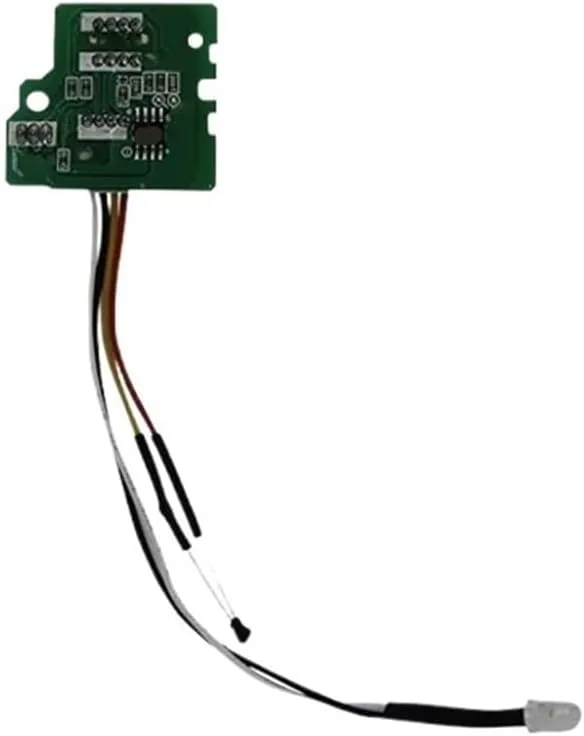
Kyocera drum chips are one of the few consumables where a 30-cent difference per unit can cost a repair shop a service call, a reputation hit, and a lost contract. If you buy these in bulk, you already know the pattern: the machine prints fine for a week, then throws a replace-drum prompt or a C-code that no amount of resetting clears. The chip is usually the culprit, not the drum. Getting MOQ, lead time and QC right is what separates a profitable consumables line from a shelf full of returns.
What a Kyocera drum chip actually does, and why batches fail
Kyocera's ECOSYS and TASKalfa ranges use a drum unit with an embedded EEPROM-style chip that reports drum life, page count and unit identity back to the main board. On families like the FS-1030/1130, FS-2000/3900/4000 series, TASKalfa 180/220/3050ci and the newer M2040/M2540/M3145 platforms, the machine cross-checks that data against firmware expectations. If the chip's stored counters, checksum or model string don't match, the panel blocks printing or logs an error even though the drum itself is healthy.
Most failures trace back to three things: copied firmware tables from a donor chip that doesn't match your exact model variant, low-grade EEPROMs that lose data after a few thermal cycles, and inconsistent programming across a production batch. A supplier who only tests one chip per reel will ship you 5,000 units where the middle 800 are dead. Ask specifically how the factory validates every unit, not just samples.
MOQ: what's realistic for a repair shop versus a distributor
Factory-direct MOQs on Kyocera drum chips typically start around 100–500 pieces per model code, and many trading companies inflate that to 1,000+ because they are reselling from someone else's line. If you run a single repair shop, 100–200 pieces per high-turnover model is usually enough to cover three to six months, and you should resist pressure to over-order slow movers like the older FS-1030 variants just to hit a price break.
Distributors and wholesalers can negotiate better per-unit pricing at 1,000–5,000 pieces, especially when the order mixes several Kyocera model codes on one production run. CLONER runs OEM/ODM lines where mixed-model orders are normal, so a 2,000-piece order spread across four chip types is workable rather than a special favour. Confirm the MOQ is per model, not per order, before you commit.
Lead times: what to expect and where delays hide
Standard lead time for stock Kyocera drum chips is roughly 7–15 working days from confirmed order, with ODM runs on custom model codes or private-label packaging adding another 1–2 weeks. The delay you actually feel isn't production; it's the pre-shipment QC and the firmware burn-in window. A supplier who promises 3-day dispatch on 5,000 chips is either holding old stock or skipping testing.
Ask for the production schedule in writing and clarify whether the lead time is ex-works or door-to-door. For air freight, add 3–7 days; sea freight to Europe or the Americas runs 25–40 days, so plan your reorder point accordingly. If you're stocking for a busy Q4, place the order in September, not November.
QC checks that catch bad batches before they reach your bench
Good chip QC starts at incoming goods, not at the customer's machine. Test a random sample of at least 20–30 pieces per batch in an actual drum unit on the matching Kyocera model, and check that the machine recognises the chip, resets the drum counter, and prints through a full cycle without a C-code. Log the firmware version of the test machine; a chip that works on one firmware can fail on another.
Beyond functional testing, inspect the physical build. Look for consistent PCB thickness, clean gold or tin contacts, correct chip orientation and no flux residue. A quick checklist for incoming inspection:
- Test 20–30 chips per batch in a real drum unit on the correct model.
- Verify drum counter resets and no error codes appear after 50+ pages.
- Check contact plating for oxidation and PCB for warping.
- Confirm model string matches the exact Kyocera variant ordered.
- Run a thermal cycle test on a small sample if the batch is large.
Ask the factory for its QC report and reject rate per batch. A supplier that tracks this will happily share it; one that doesn't is guessing.
Choosing a supplier: factory-direct versus trading company
The tell is simple. A factory-direct supplier can tell you which EEPROM they use, how they program it, and what their burn-in process is. A trading company forwards your question to someone else. For Kyocera drum chips, where firmware compatibility is the whole game, that difference matters more than price.
CLONER manufactures these chips in-house and supports OEM/ODM orders, meaning you can specify model coverage, packaging and private-label branding without going through a middleman. Mixed-model bulk orders, realistic MOQs from 100 pieces, and documented QC are standard, not upsells. If you're sourcing Kyocera drum chips for a repair shop or distribution network, send your model list and volumes and we'll quote against a real production schedule.
Need a quote or samples from CLONER?
Factory-direct OEM/ODM supplier of compatible printer consumables & spare parts. Tell us your models — reply within 24h.


