Bulk Sourcing Tray Paper for Sharp: MOQ, Lead Time and QC for Printer Maintenance Parts
You're probably here because you've had a batch of tray paper that jammed, misfed, or wore out in weeks. Buying tray paper for Sharp copiers in bulk is not like ordering A4 reams. It's a maintenance part with tight tolerances, and the difference between good and bad stock shows up on your customers' service tickets. This guide covers what to watch for in MOQ, lead time, and QC so you don't get stuck with pallets of paper that cause more problems than they solve.
Why Tray Paper for Sharp Is Not a Commodity
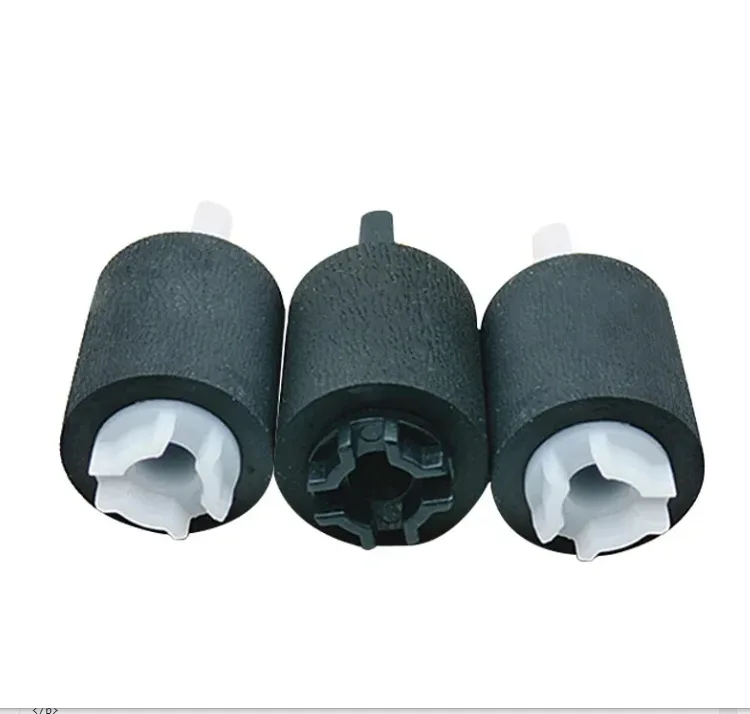
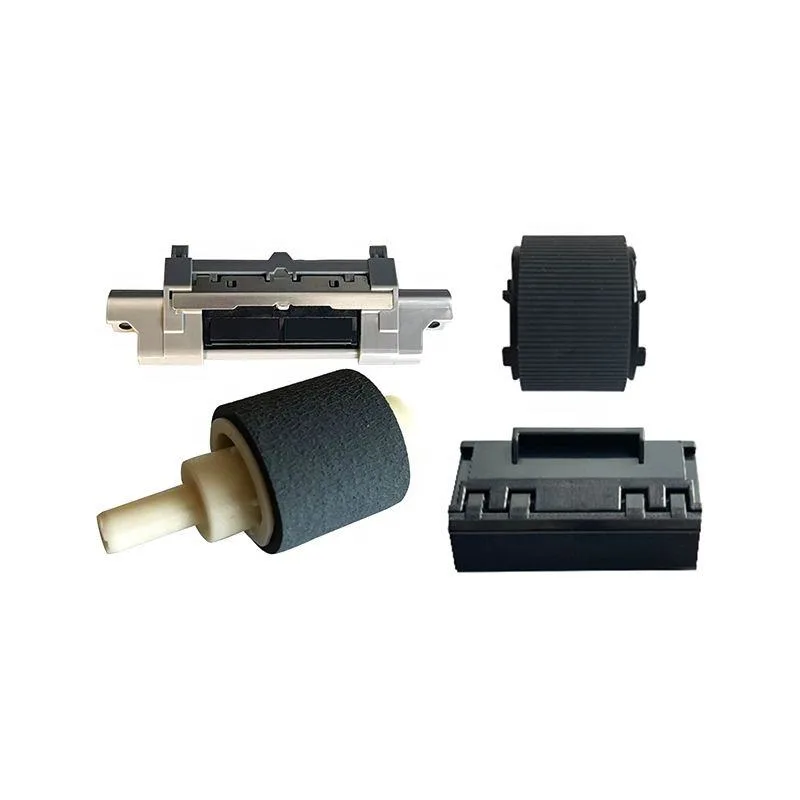
Tray paper—often called separation or feed paper—is a friction material that sits in the paper feed mechanism. On Sharp models like the MX-M series or AR series, it's a small but critical component that grabs each sheet and separates it from the stack. The wrong paper thickness, coefficient of friction, or hardness leads to double-feeds, misfeeds, or premature wear. Generic tray paper might fit the slot, but it won't match the OEM spec for grip and durability.
Sharp's design uses specific paper grades for different tray types. For example, the high-capacity trays on MX-M623/M753 use a heavier paper than the standard cassettes on AR-6020. Sourcing one grade for all models is a common mistake. You need a supplier who understands these distinctions and can supply the right paper per model, not a one-size-fits-all sheet.
Also consider the environment. In humid climates, low-quality paper absorbs moisture and swells, changing its friction properties. That's why OEM paper is often treated or impregnated. If your supplier can't tell you about the paper's treatment, walk away.
MOQ: What's Reasonable and What's a Red Flag
MOQs for tray paper vary widely. For standard Sharp models, a reasonable MOQ from a factory-direct supplier is often 1,000 to 5,000 pieces per model. But some suppliers push for 10,000 or more, which ties up your cash and warehouse space. Unless you're a large distributor, that's overkill. The best suppliers will work with you to set an MOQ that matches your sales velocity.
Watch out for MOQs that are suspiciously low—like 100 pieces. That usually means the supplier is reselling from stock, not manufacturing. They won't have control over quality, and lead times will be unpredictable. Factory-direct sources like CLONER set MOQs based on production runs, so you get a fair price without excessive inventory.
Another factor: mixed-model orders. If you need tray paper for five different Sharp models, can you combine them to meet a single MOQ? Some factories allow this; others don't. Ask upfront. It's a sign of flexibility and understanding of the aftermarket parts business.
Lead Time: Plan for Production, Not Just Shipping
Lead time for tray paper is often quoted as 15–30 days, but that's only half the story. If the supplier doesn't hold raw materials, they'll need to order paper stock, which adds weeks. Ask specifically: "Is this lead time from stock or from raw material?" A factory that stocks the right paper grades can ship in 10–15 days. One that doesn't will stretch to 45 days or more.
Shipping method matters too. For bulk orders, sea freight is economical but adds 25–40 days depending on destination. Air freight cuts that to 5–7 days but costs more. The key is to get a realistic door-to-door estimate, not just the production time. A supplier who understands your market will help you balance cost and urgency.
Also, consider seasonal demand. Many distributors stock up before Q4, so lead times can extend. Place orders early or ask about capacity. A factory-direct partner can often prioritize repeat customers.
QC: The Checks That Separate Good Suppliers from Bad
Quality control for tray paper goes beyond a visual check. You need to verify thickness, friction coefficient, and hardness. A good supplier will provide test reports for each batch. Ask for a sample from the current production run and test it on a Sharp machine—not just a generic feeder. Double-feed and misfeed rates should be near zero.
Here's a quick checklist for incoming inspection:
- Thickness: measure with a micrometer; should match OEM spec within ±0.05 mm.
- Friction coefficient: test with a friction tester or compare to a known OEM sample.
- Hardness: durometer reading should be consistent across the batch.
- Dimensions: check length, width, and hole positions against the model's tray.
- Surface finish: look for glazing or contamination that affects grip.
Also, check packaging. Tray paper should be sealed in moisture-barrier bags with desiccant. If it arrives in a plain cardboard box, it's likely absorbed humidity during transit. That's a red flag for quality control.
Finally, ask about traceability. Can the supplier trace a batch back to the raw material lot? If not, they're not serious about QC.
OEM/ODM: When You Need Custom Specs or Branding
Some buyers need tray paper that matches a specific OEM specification or wants their own branding on the packaging. That's where ODM/OEM capability matters. A factory with in-house die-cutting and treatment can produce custom sizes and friction levels. They can also print your logo on the boxes—useful for distributors building their brand.
But be careful: custom specs require thorough testing. Don't assume a factory can hit the tolerance just because they say yes. Ask for pre-production samples and test them on actual Sharp machines. A good partner will welcome this; a bad one will make excuses.
CLONER has been supplying tray paper for Sharp and other brands for over a decade. We control the paper grade, treatment, and die-cutting in-house, so we can meet OEM specs and offer ODM services with your branding. Our MOQs are set for real-world distributor volumes, and we quote lead times based on actual production schedules—not wishful thinking. If you're tired of inconsistent quality and vague delivery promises, send us your model list and target quantities. We'll come back with a straight answer and a sample you can test.
Need a quote or samples from CLONER?
Factory-direct OEM/ODM supplier of compatible printer consumables & spare parts. Tell us your models — reply within 24h.