HP Fuser Film Sleeve Buying Guide: What Repair Shops Need to Know
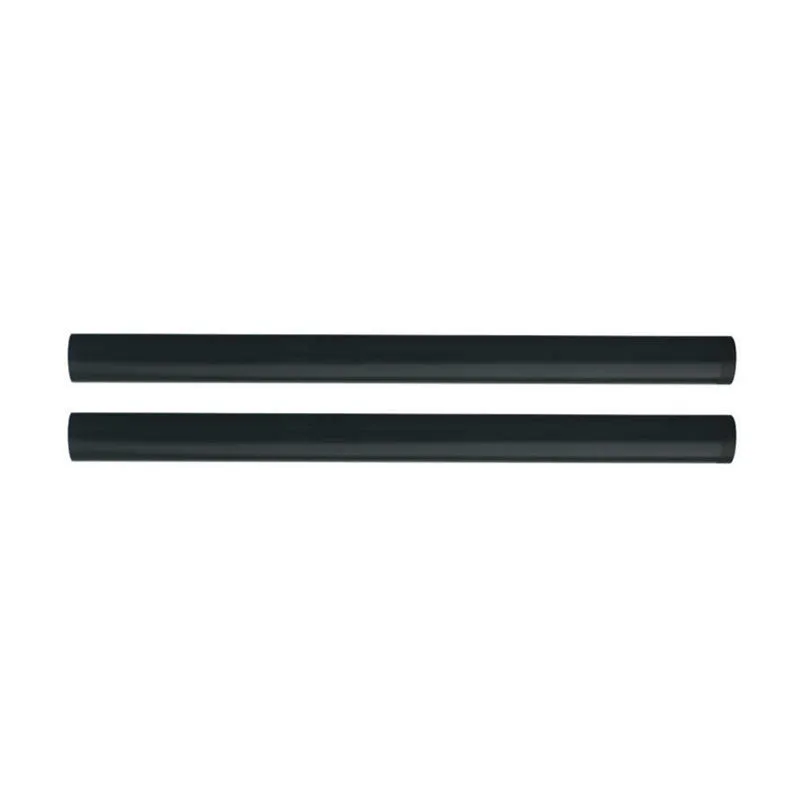
You've got a stack of HP LaserJet Pro or Enterprise machines on the bench, each with that familiar wrinkled film or a print defect that screams fuser problem. Ordering the wrong fuser film sleeve costs you a callback, a bad review, and a wasted hour. This guide cuts through the catalog noise and gives you the specs, inspection points, and supplier questions that separate a reliable sleeve from a roll of junk.
Know Your HP Fuser Film Specs Before You Buy
HP uses different fuser film sleeves across product families. A sleeve for an HP LaserJet P2035 or P2055 is not the same as one for an M402/M403 or an M607/M608 series. The critical dimensions are inner diameter, outer diameter, length, and wall thickness. Get any of those wrong and you'll see jams, poor fusing, or film walk that tears the edge. For example, many P2035/P2055 sleeves run roughly 20mm ID and 24mm OD, while newer M400/MFP M426 machines use a different length and coating.
Beyond size, the release coating matters. Cheap sleeves use a thin PTFE layer that wears through in 20k pages, causing toner offset and that ghosting you see on the page. A quality sleeve has a uniform coating that survives 80k to 150k pages depending on the toner and paper. Ask your supplier for the coating type and expected yield. If they can't answer, they're a trader, not a manufacturer.
Inspection Checklist: How to Spot a Bad Sleeve Before It Fails
When your shipment arrives, don't just count boxes. Pull three or four sleeves and run these checks. First, look at the film surface under a bright light. You want a smooth, even finish with no pinholes, bubbles, or streaks. Second, check the edges. Laser-cut edges are cleaner than die-cut; rough edges will shred the fuser cleaning blade. Third, flex the sleeve gently. It should spring back without leaving a crease. If it stays bent, the base film is too thin or the coating is brittle.
Fourth, measure the ID and OD with a caliper. Tolerance should be within ±0.05mm. Anything looser and you'll get film slip. Fifth, inspect the packaging. Sleeves should be in a rigid tube or anti-static bag, not loose in a poly bag. If they arrive deformed, the whole batch is suspect. A good supplier includes a batch code and date, so you can trace failures back.
Supplier Vetting: Questions That Separate Factories from Traders
Ask where the film is made. The best sleeves use Japanese or German base film, not recycled material. Ask about the coating process—is it dip-coated or spray-coated? Dip coating gives a more uniform layer. Ask for the fuser film sleeve's rated life in pages and the toner type it was tested with. A factory will have test data; a trader will send you a spec sheet copied from another website.
Request samples before a bulk order. Test them in a machine that runs 10k to 20k pages. Check for film walk, noise, and print quality at the end of the run. Also ask about MOQ, lead time, and whether they can print your logo on the packaging. If they hesitate on OEM or ODM, they're not set up for private label.
Common Failure Signs That Point to the Sleeve, Not the Fuser
Not every fuser problem is the sleeve. But when you see a repeating defect every 2 to 3 inches, a film wrinkle, or a grinding noise, the sleeve is often the culprit. Other signs: toner offset on the back of the page, a shiny or glossed image, and jams right at the fuser exit. If the fuser roller itself is scored or the pressure roller is flat, replacing only the sleeve won't fix it.
Also check the fuser's bias contact and thermistor. A worn sleeve can cause the thermistor to read wrong, leading to fuser error codes. Before you order, confirm the machine model and the fuser part number. Cross-reference with the sleeve's compatibility list. If a supplier lists one sleeve for 15 different HP models, be suspicious—some may fit, but performance will vary.
Why Factory-Direct Matters for HP Fuser Film Sleeves
CLONER manufactures fuser film sleeves for HP and other major brands at our own factory. We control the base film, the coating, and the cutting. That means we can hold tolerances that traders can't, and we can offer OEM and ODM services—your brand, your packaging, your spec. For repair shops, that translates to fewer callbacks and a part you can trust on every job.
We keep stock of the most common HP sleeves, from the P2035 series to the M607/M608 line. If you're tired of inconsistent quality and want a direct line to the people who actually make the sleeve, reach out. Send us your model list and we'll match the right sleeve, provide samples, and quote factory-direct pricing. No middlemen, no mystery film.