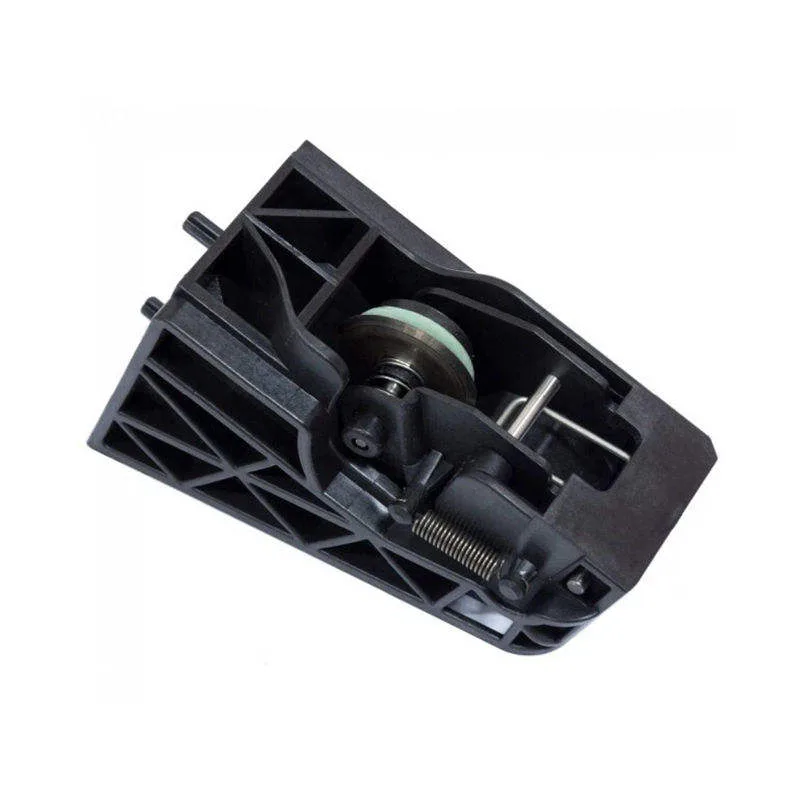
Buying Transfer Roller for Toshiba: A Field Guide for Copier Repair Shops
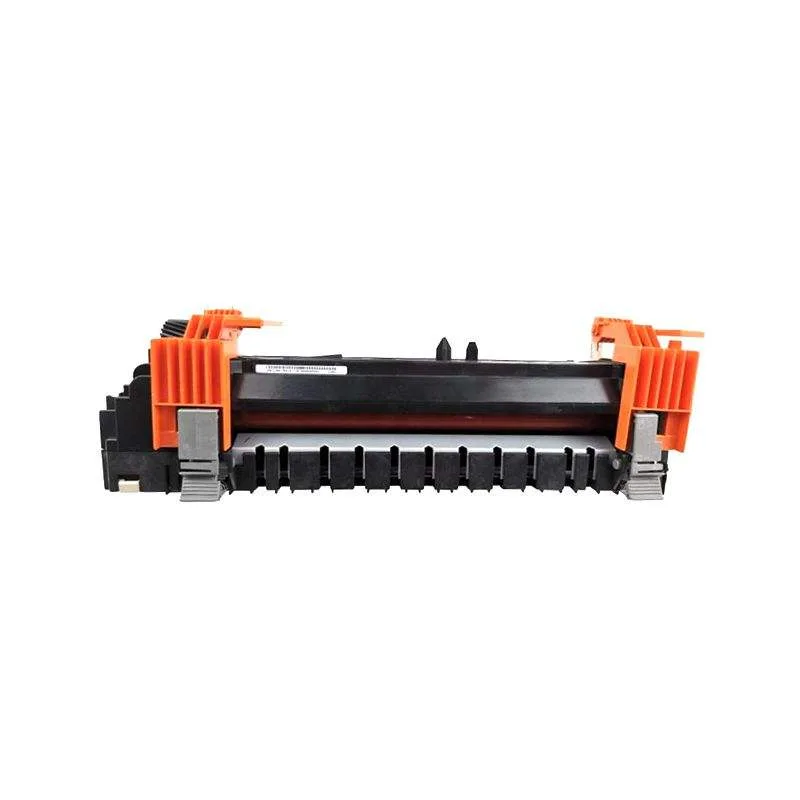
If you repair Toshiba copiers, you already know the transfer roller is a wear item that gets blamed for everything from background fog to ghost images. But the real problem isn't the part—it's the sourcing. You order a roller, it shows up, and it's either the wrong size, feels too soft, or the shaft bends after 20K prints. That costs you time and service calls. Let's cut through the noise and talk about what you need to check before you buy, and how to stock smart.
Know Your Toshiba Platform: Which Roller Fits What
Toshiba doesn't make one universal transfer roller. The e-STUDIO 2303/2802/2508/3508 series each use different rollers, and even within the same series, the roller can vary by production run. For example, the e-STUDIO 2303 uses a roller with a 12mm core and a specific hardness, while the 2508 series uses a larger diameter roller with a conductive coating. If you order by model number alone, you risk getting a roller that physically fits but has the wrong electrical properties, leading to poor transfer and premature failure.
When you call a supplier, give them the exact model and the part number printed on the original roller. Most aftermarket manufacturers, including CLONER, cross-reference OEM part numbers like 6LK10419000 (for the 2303) or 6LK10521000 (for the 2508). If a supplier can't tell you the OEM cross-reference on the spot, move on. That's a red flag they're just pushing generic stock.
What to Inspect When the Roller Arrives
Don't just toss the roller into the machine. Spend 30 seconds checking the basics. First, the shaft: it should be straight and free of rust. A bent shaft causes uneven pressure, which shows up as dark streaks down the page. Second, the surface: run your finger across it. It should be uniformly smooth, with no bubbles, pitting, or visible seam lines. Third, the hardness: press your thumbnail into the foam. It should indent slightly and spring back. If it feels rock-hard or squishy, it's not the right durometer for your Toshiba.
Also, check the conductive end caps. These are the plastic or metal bits on each end that transfer voltage. They should be clean, with no cracks or wear. If they're loose, the roller will arc and cause print defects. In our experience, about 7% of rollers from low-cost suppliers fail on these end caps alone. That's a failure you can catch before it ever goes into a machine.
Why Roller Quality Varies (and How to Test It)
Transfer rollers are made from polyurethane or silicone foam, and the quality depends on the raw material and the curing process. Cheap rollers use lower-density foam, which compresses too much and doesn't hold its shape. You'll see this in the first 5,000 prints: the roller develops a flat spot, and you get a band of light print in the middle of the page. The fix is to buy from a manufacturer that controls the foam density and hardness—not just in spec, but within a tight tolerance.
If you want to test a batch, run a simple print test. Print a full-page black (not a test pattern) at 1200 dpi. Look for even density from edge to edge. Then, print a half-tone page and look for horizontal bands. If you see bands, the roller's surface is uneven. Finally, check the back of the paper for transfer residue—if you see toner dust, the roller isn't making proper contact. This test takes five minutes and can save you a hundred service calls.
Stocking Strategy: What to Keep on the Shelf
For a repair shop, you don't need to stock every Toshiba roller. Focus on the high-volume models you see most often. In our data, the e-STUDIO 2303 and 2802 series account for nearly 40% of Toshiba service calls. Keep at least five units of those on hand. For the 2508/3508 series, keep three. And for older models like the 2050/2550, keep two, but be aware that these are being phased out—order only when you have a confirmed job.
- Check the OEM part number on the roller before ordering.
- Inspect the shaft, surface, and end caps on arrival.
- Run a 5-minute print test on the first unit of each batch.
- Stock 3–5 units for high-volume models, 2 for older ones.
One more thing: don't buy in bulk just because the price is low. Transfer rollers have a shelf life. The foam degrades over time, even in the box. If a supplier offers a 100-unit pallet at a 40% discount, ask for the manufacturing date. If it's more than 12 months old, you're buying problems.
Working with CLONER: Factory Direct and OEM-ODM
CLONER is a manufacturer, not a middleman. That means we control the foam formula, the molding process, and the QC. When you order transfer rollers for Toshiba from us, you get parts that are cross-referenced to OEM specs and tested for hardness, conductivity, and dimension. We offer both standard aftermarket parts and full OEM-ODM service—if you need custom rollers for a private label or a specific machine variant, we can produce them to your spec.
For B2B buyers, that translates into consistent quality, reliable supply, and better margins. You don't have to worry about batch-to-batch variation or surprise defects. And because we ship direct from the factory, you cut out the distributor markup. Whether you're an importer stocking for a regional market or a repair shop that wants to bundle rollers with your service contracts, we can tailor the packaging, labeling, and order quantities to fit your workflow.