Canon Developer Blades: Compatibility, Yield, and Sourcing Strategies
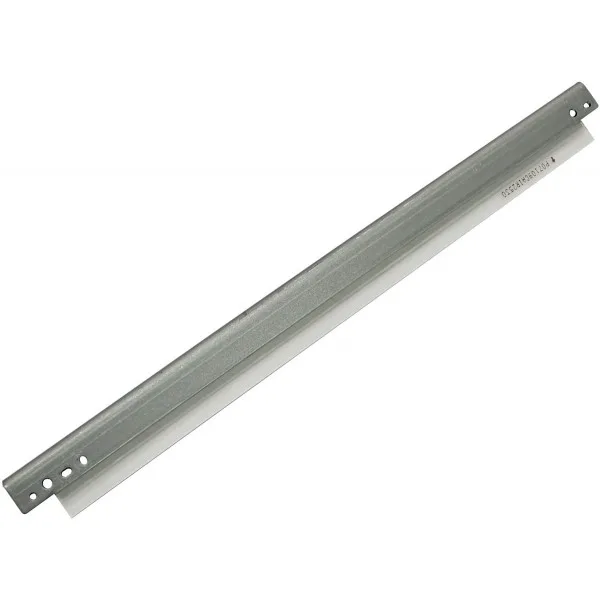
When a Canon copier starts producing faint prints or background fog, the developer blade is often the culprit. This thin strip of metal or rubber meters toner onto the developing roller, and once it wears or gets nicked, image quality deteriorates rapidly. For B2B buyers stocking parts for Canon's NP series or the newer iR and imageRUNNER lines, knowing which blade fits which drum unit and how to judge quality before ordering can prevent costly returns and downtime.
Compatibility: Know Your Canon Families
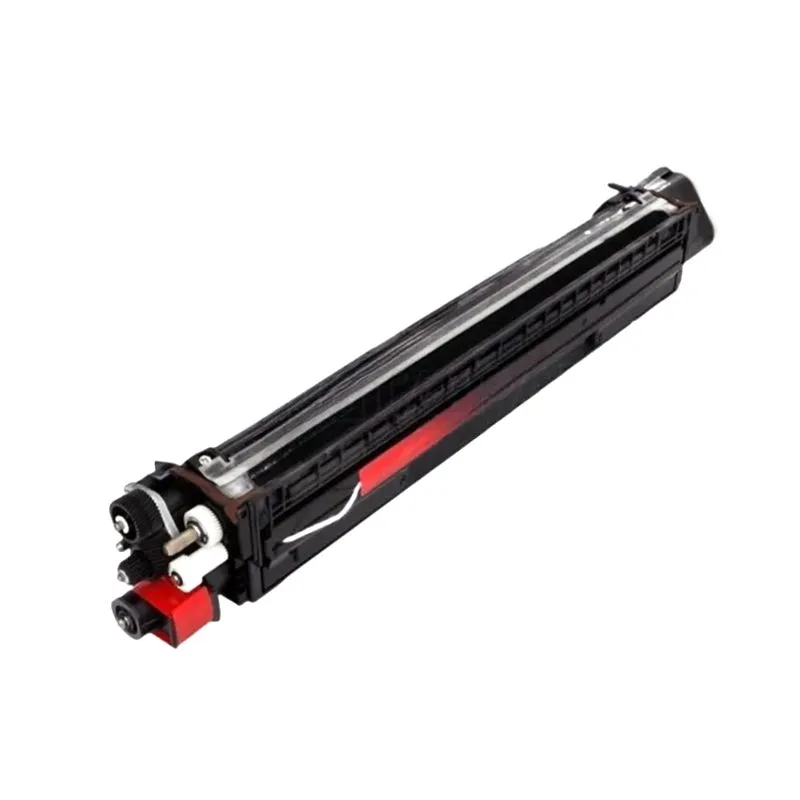
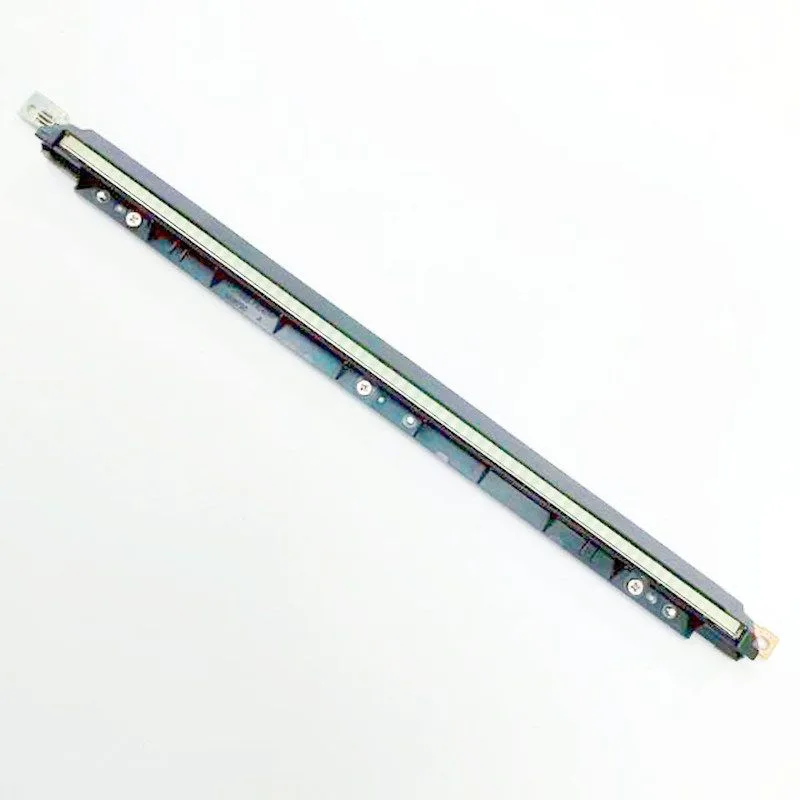
Canon has employed several developer blade designs over the years. The older NP series (NP-1215, NP-6030, etc.) uses a simple steel blade that presses against a magnetic roller. These are straightforward to source, but you must match the exact length and mounting holes. The iR series (iR2200, iR3300, iR4570) and the newer imageRUNNER Advance models use a composite blade with a rubber edge, often integrated into a developer unit assembly. For those, you have two options: sell the bare blade for shops that rebuild units, or sell the complete assembly for quick swaps. Most of my wholesale clients prefer the assembly for higher margins, but bare blades move faster if you have a repair-shop network.
Don't rely on the model number alone. Canon frequently revises parts within the same model family. Check the part number printed on the original blade—usually something like FC5-4272-000 or FM4-2346-000. Cross-reference that against your supplier's catalog. At CLONER, we maintain a database of OEM part numbers to ensure our aftermarket blades match exactly. If you're unsure, send a photo of the old blade and the machine's serial number; we'll confirm fitment before you commit.
Page Yield: What Really Determines It
Page yield for a developer blade isn't a fixed number—it depends on toner type, media, and maintenance. In my experience, a good quality blade on a Canon iR3300 will last 150,000 to 200,000 pages if the developer is changed on schedule. But if your customer uses cheap toner, the blade can wear out in half that time. The blade's edge geometry and material matter more than you'd think. A sharp, precisely angled blade meters toner evenly; a dull blade causes streaks and forces the machine to compensate, which shortens life.
Look for blades made from spring steel with a hardened edge, or polyurethane-coated for the rubber type. The coating should be uniform, without bubbles or rough spots. At CLONER, we test every batch for edge sharpness and hardness, and we publish expected yields based on 5% coverage—standard in the industry. We also recommend pairing our blades with OEM or high-quality compatible toner to get the stated yield. If you pass that advice to your customers, they'll see fewer callbacks.
Inspection: What to Check Before You Stock
Before you place a bulk order, get samples and run a quick inspection. Here's a checklist that takes five minutes and can prevent a disaster:
- Measure the blade's length and width with calipers; compare to the OEM spec.
- Check the mounting holes—alignment and spacing must be exact.
- Flex the blade slightly; it should return to shape without cracking or taking a set.
- For rubber-edged blades, press the edge with a fingernail—it should feel firm, not tacky or brittle.
- Look for a protective coating or packaging that prevents corrosion during shipping.
Also, ask your supplier for a test report or quality certificate. A reputable manufacturer like CLONER will provide those without hesitation. We also offer a sample program, so you can verify fit on a bench before you commit to a full container.
Sourcing: Factory-Direct vs. Middlemen
You can buy developer blades from trading companies, but you'll pay a premium and often wait longer for delivery. Going factory-direct cuts out the middleman, giving you better pricing and direct communication with engineers who know the part's specs. At CLONER, we manufacture blades for Canon and other major brands in our own facility. That means we control the steel quality, the coating process, and the final inspection. We can also do OEM/ODM—if you want your brand printed on the blade or custom packaging, we handle it.
Another advantage of factory-direct is flexibility. Need a mixed container with drums, rollers, and blades? We can consolidate. Want to test a new blade design for an older model? We'll make a sample run. That's the kind of partnership that helps you build a loyal customer base. And because we ship globally, you don't have to worry about logistics bottlenecks.
When comparing quotes, look beyond the unit price. Check lead times, minimum order quantities, and return policies. A blade that fails after 10,000 pages will cost you more in freight and customer trust than the few cents you saved upfront. At CLONER, we stand behind every blade with a performance guarantee—if it doesn't meet spec, we replace it or refund you.
For buyers who want to grow their Canon parts business, start with the high-volume models like iR2200/3300 and the NP series. Stock both bare blades and assemblies, and always keep a few samples on hand for your sales team to demonstrate. With the right supplier, you'll turn a small part into a steady revenue stream.