
Factory Direct Laser Unit for Konica Minolta: A Distributor's Buying Guide
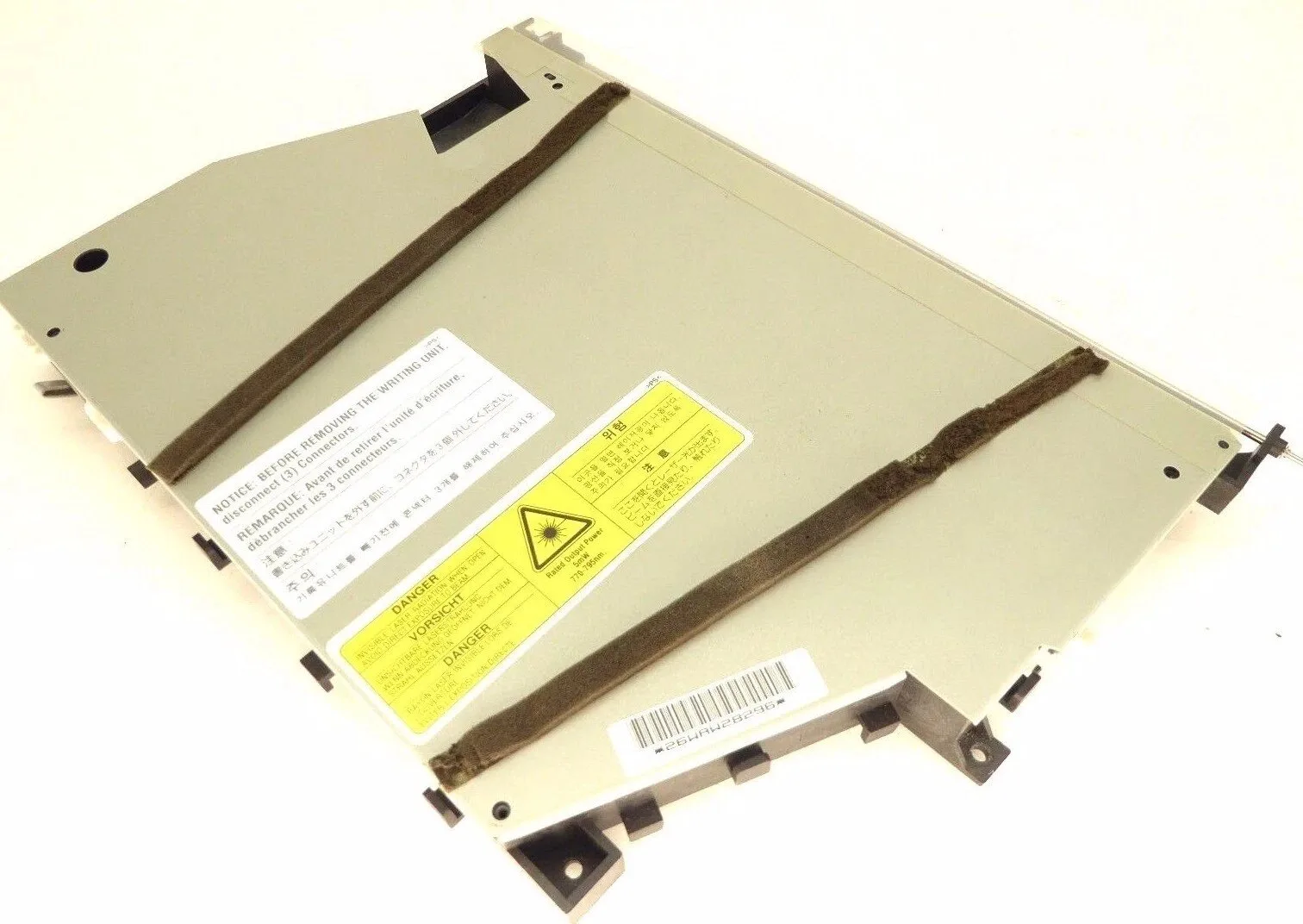
If you distribute Konica Minolta machines, you already know the laser unit decides whether a service contract makes money or loses it. A batch that drifts out of spec becomes warranty claims, return freight, and a repair shop that stops calling. The real question isn't who sells the cheapest unit—it's who can show you the diode, the polygon mirror, and the test data before the carton is sealed.
Which Konica Minolta platforms actually move laser units
The bizhub C224/C284/C364 series and the C258/C308/C368 generation are the volume drivers in most aftermarket channels. These machines sit in offices at 8,000 to 20,000 pages a month, and their laser units go out of alignment or lose beam intensity long before the drum or developer reaches end of life. The C454/C554 and larger C654/C754 boxes also move, but in smaller quantities and usually through dealers who service their own fleets.
Older C280/C360 units still get ordered in steady, small batches from repair shops keeping legacy machines alive. Stock only the newest series and you lose the repair-shop accounts; stock only legacy and you lose the dealers. A sensible opening order mixes two current series with one legacy SKU in modest depth.
What to inspect before you accept a laser unit shipment
Laser units fail in ways that don't show up in a five-minute bench test. Ask for the polygon mirror assembly to be checked for bearing noise at operating speed, not just spun by hand. Verify beam spot position on a test target, and confirm the unit holds alignment through a 30-minute run rather than a single page. A supplier who can't show a burn-in record is selling you a gamble.
Check the housing and slit glass for dust ingress—contamination inside the optical cavity produces banding and light streaks the end user blames on your drum. Confirm connector pins are straight and the harness isn't kinked from packing. On C368-class units, look at the shutter mechanism; it's a common point of sticking after rough transit.
Verify the part number against the machine serial range, not just the model name. Konica Minolta changed laser unit revisions mid-production on several series, and a unit that fits a C364e may not seat correctly in an early C364. Get the revision list in writing before the PO is confirmed.
Pricing, MOQ, and the terms that matter
Factory pricing sits well below OEM list, but the spread between suppliers is mostly about what's inside. Ask whether the laser diode is original-grade or a rebuilt module, and whether the polygon motor is new or refurbished. A rebuilt polygon motor saves 15–20% on unit cost and costs far more in field returns. For distributor-level volume, expect MOQs of 20–50 pieces per SKU, with mixed-model containers allowed.
Payment terms from a real factory are negotiable once you have a track record. Standard for first orders: 30% deposit against production, balance against the bill of lading copy. Insist on a warranty of at least 12 months or 100,000 pages, whichever comes first, and get the RMA process defined—who pays return freight on a confirmed defect, and what the replacement lead time is. A supplier who hesitates on that clause is telling you something.
OEM and ODM: what a factory can actually do for your brand
If you sell under your own label, laser units are a practical OEM item. Neutral housings, your part number on the label, and your branding on the carton are straightforward. The more useful conversation is ODM: adjusting the unit for a specific machine population, changing harness length, or tuning the shutter spring for a market where humidity swings hard. That work needs a factory with its own optical alignment bench, not a trading company reselling from a warehouse.
Ask for the process: incoming diode test, mirror assembly balancing, burn-in, final optical check, and packing under your spec. A factory that can walk you through each station and show you the rejection rate at each one is a factory you can build a private label on. One that answers in generalities cannot.
Building a laser unit line that survives the service contract
The distributors who make money on laser units treat them as a service part, not a commodity. They keep two or three fast-moving SKUs in stock, hold a small buffer of legacy units, and buy from a source that gives them test data and a clear RMA path. They also track field failure by model and batch—which is only possible if the supplier labels and traces production lots.
CLONER manufactures laser units for Konica Minolta platforms at our own facility, with optical alignment and burn-in done in-house, and supplies both neutral and private-label packaging. We take OEM and ODM orders from distributors and service groups, quote MOQs by SKU, and provide lot traceability so you can see which production run a returned unit came from. Send us your model mix and annual volume and we'll come back with a unit spec, a sample schedule, and terms you can take to your service partners.


