
OEM vs Compatible Upper Fuser Rollers for Ricoh: A Distributor's Field Guide
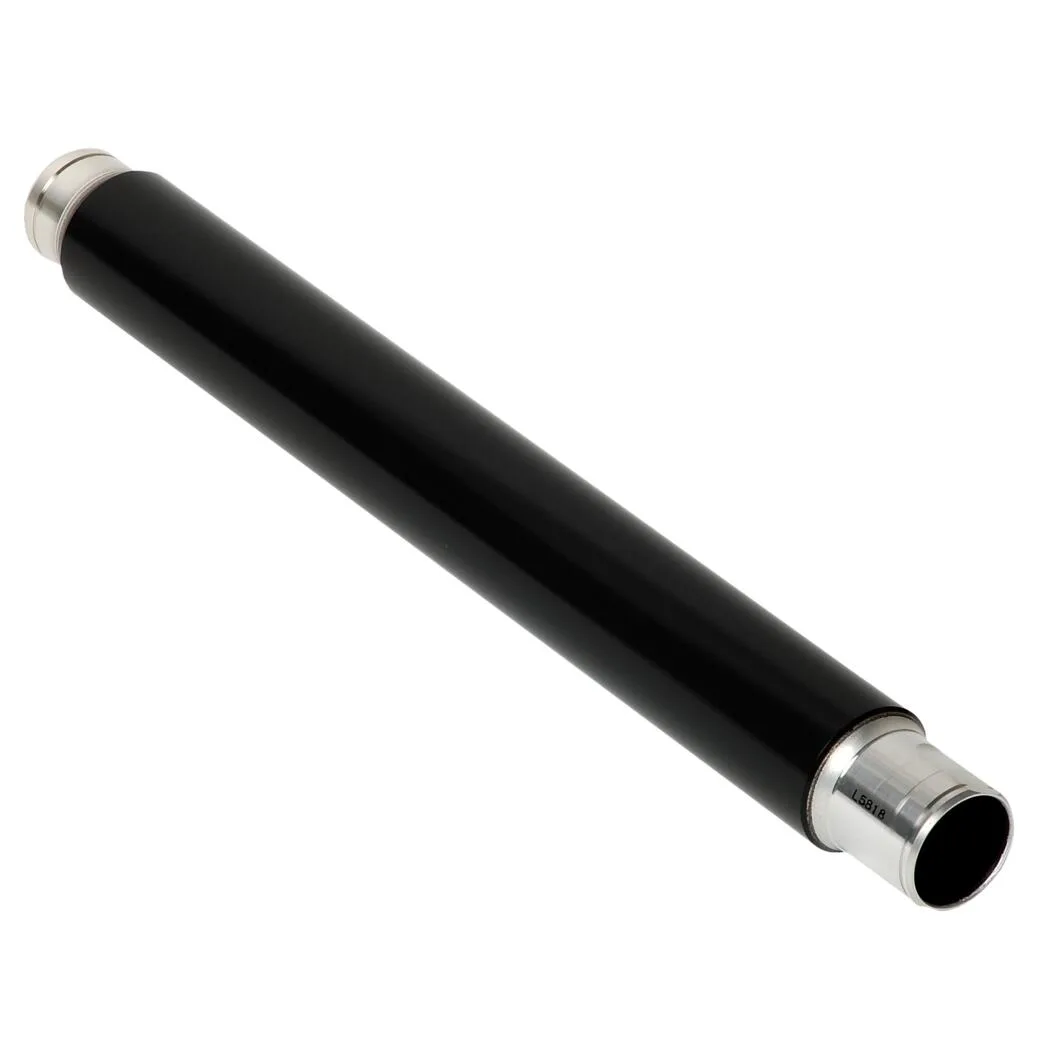
If you're sourcing upper fuser rollers for Ricoh machines, you've probably been burned by a batch that looked fine on arrival but started peeling or causing jams within weeks. The OEM vs compatible debate isn't academic—it's about return rates, service calls, and your reputation with repair shops. Here's what actually matters when you're placing an order.
Performance Differences That Show Up in the Field
OEM Ricoh rollers—whether for the MP C3004, IM C3000, or older MP 2352—are built to the exact spec: silicone hardness, coating thickness, and thermal conductivity are tightly controlled. The result is consistent gloss, no offset, and a predictable lifespan. Compatible rollers vary wildly. A good one uses high-grade silicone with a post-cure process that eliminates volatile compounds; a bad one uses cheap rubber that hardens or delaminates after a few thousand pages. In the field, that translates to ghosting, toner offset on the back side of the page, or fuser jams that come back to your customer.
But here's the thing: not all compatible rollers are created equal. Some factories—especially those that also supply OEM lines—run the same extrusion and grinding equipment but with different QC gates. The key is knowing which factory you're buying from and what their process actually looks like. Ask for cure time, surface roughness (Ra), and hardness tolerance. A serious supplier will have numbers; a trader will give you a brochure.
Price Is Only Half the Equation
OEM rollers typically cost 2–3 times more than compatible ones. For a distributor moving volume to repair shops, that gap is tempting. But the real cost isn't the unit price—it's the failure rate. If 5% of a compatible batch fails early, your margin evaporates in replacements, shipping, and labor. Worse, your customer starts questioning your quality control. The math only works if the compatible roller delivers at least 80–90% of OEM life at half the cost. Anything less, and you're just gambling.
That's why smart distributors test before they commit. Order a sample batch, run it in a few machines under real workload, and track pages before failure. A supplier confident in their product will support that—and might even offer a warranty on yield.
What to Inspect When the Container Arrives
You can't test every roller, but you can spot a bad batch before it hits your shelves. Start with the coating: run a fingernail across the surface—it should feel uniform, with no bumps or seams. Check the ends for excess adhesive or uneven grinding. Measure the outer diameter with a caliper at three points; variation beyond ±0.05 mm is a red flag. Then look at the packaging: a factory that cares about quality uses anti-static bags and shock-absorbing inserts, not just a cardboard box.
If you have a lab, do a hardness test (Shore A) and a quick heat test in an oven at operating temperature for an hour. Any smoking, cracking, or color change means the silicone isn't fully cured. For a fast field check, install one roller in a high-volume machine and run a 500-page job—watch for offset or gloss variation.
Choosing a Supplier: Factory or Trader?
The compatible market is full of traders who source from multiple workshops and rebrand. That's fine for commodity parts, but fuser rollers are a precision component. You want a supplier who controls the process—from silicone mixing to grinding to final inspection. Ask direct questions: Do you own the molds? What's your monthly capacity for Ricoh models? Can you provide batch traceability? A factory will answer with specifics; a trader will dodge.
This is where CLONER operates differently. We run our own production lines for upper fuser rollers covering Ricoh MP and IM series, and we supply both compatible and OEM-grade versions. For distributors who need their own brand, we do OEM/ODM—your packaging, your part numbers, your specs. No middleman, no mystery about where the roller came from.
Ordering Terms That Protect You
When you're buying compatible rollers, the terms matter as much as the product. Insist on a pre-shipment inspection report with photos of the actual batch. Ask for a yield warranty—typically 6–12 months or a defined page count. And start with a trial order before committing to a full container. A supplier who believes in their product will agree to these terms; one who doesn't will push back.
Also, clarify the model compatibility. Ricoh uses similar-looking rollers across different machines, but the fuser film and pressure spring can differ. A good supplier will provide a cross-reference list and flag any known issues—like the MP C4504 roller that needs a specific silicone hardness to avoid offset in high-humidity environments.
CLONER has been making fuser rollers for over a decade, and we've seen every failure mode. If you're tired of inconsistent batches and want a supplier who speaks your language, send us your model list and target price. We'll quote from the factory floor, not from a catalog.


