
Buying Remanufactured Brother Boards: A Repair Shop's No-Regret Guide
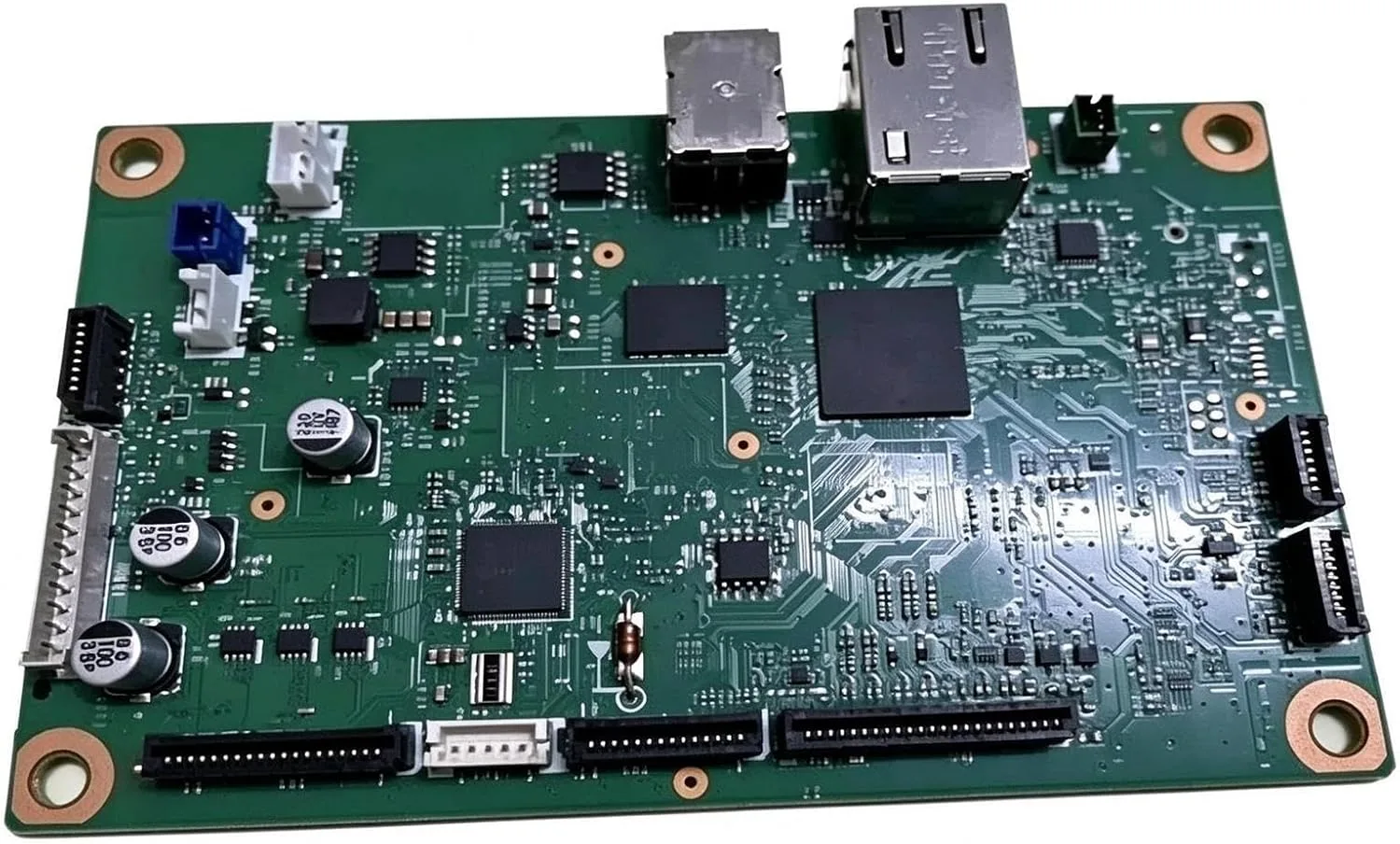
You've got a Brother HL-L6200DW sitting dead on the bench—no power, no display, customer breathing down your neck. You need a main board or formatter board, and you need it fast. But the remanufactured board market is a minefield: some suppliers ship boards that were pulled from scrap machines, given a quick alcohol wipe, and dropped in a bag. Others actually test and repair. The difference shows up in your return rate and your reputation. Here's what to look for before you wire the money.
Know Which Board You're Actually Buying
Brother machines use several board types: main PCB, formatter board, engine board, and power supply board. They're not interchangeable, and the naming varies by supplier. For an HL-L6200 series, the formatter board handles print data and memory; the engine board controls the laser and motors. If you order "main board" from one vendor, you might get a formatter; from another, an engine controller. Always confirm by part number—Brother's format is like D008AG001 or D00XYZ001—and cross-check against the service manual. Don't trust generic photos.
Remanufactured means the board was pulled from a core, tested, and repaired if needed. Ask what "remanufactured" covers: is it just a firmware reset, or did they replace caps, relays, and the NVRAM chip? A proper reman includes reflowing cold joints and replacing the lithium battery if it's below 2.8V. Cheap remans skip the battery, and you'll see settings loss after power cycles.
Five-Point Incoming Inspection
When a pallet of boards lands, don't just count boxes. Open a sample and run this check. It takes ten minutes and saves you a week of returns.
- Visual: Look for reworked solder joints, scorch marks, or bulged caps. A clean board with no flux residue is a red flag—original boards have flux.
- Battery voltage: Measure the coin cell. Below 2.8V means settings will drop; reject the batch.
- Connector condition: Check for bent pins or cracked plastic housings on FFC connectors. These break in shipping if not packed right.
- Firmware version: Power up on a test bed and check the version. It should match the model's latest or be flashable. Locked firmware is useless.
- Print test: Run 50 pages and a power cycle. Watch for ghosting or error codes—signs of a failing engine board.
Match the Board to the Machine—and the Customer
Brother's HL and MFC lines share boards across models, but not always. An HL-L6300 board may work in an L6400, but the firmware might not support duplex or extra trays. If you're repairing for a customer with a specific configuration, confirm the board's part number matches their machine's serial range. Suppliers who list "fits HL-L6200 series" are being lazy—ask for the exact interchange list.
Also consider the customer's volume. A high-volume print shop will stress the board's power supply section. For those, insist on boards with replaced primary filter caps and a tested relay. Low-volume office machines can take a standard reman. Don't pay for premium if the machine prints 500 pages a month.
Supplier Vetting: What Separates a Factory from a Middleman
Ask three questions: Where do the cores come from? What's the test protocol? What's the warranty on the board, not the whole order? A real remanufacturer will tell you they source cores from trade-in programs, run a 24-hour burn-in on every board, and warranty for 12 months. A middleman will dodge and offer 90 days.
Check their OEM/ODM capability. If they can customize firmware or produce boards for your own brand, they have engineering depth. That matters when you hit a batch with a common failure—like the power supply section on HL-5470 boards—and need a fix, not a refund. Factories with in-house SMT lines can rework to your spec; traders can't.
Pricing and Terms That Protect You
Remanufactured Brother boards should run 40–60% of OEM list, depending on model and volume. If a quote is below 30%, walk away—they're selling untested pulls. Ask for a mixed pallet: 70% high-runner models (HL-L2300, L6200, MFC-L2700) and 30% slower movers. That keeps your inventory lean and your shelf full.
Negotiate a DOA policy: any board that fails within 30 days gets replaced in the next shipment, no return required. And get the warranty in writing—12 months is standard for a serious reman. If they won't put it in the PI, they don't believe in their product.
CLONER builds remanufactured boards for Brother in our own facility—cores are tested, batteries replaced, and every board runs a 24-hour burn-in before it's packed. We supply repair shops and distributors direct, with OEM/ODM options if you want your own label or custom firmware. Send us your model list and failure rates; we'll quote you a mixed pallet and a warranty that holds up. No middleman markup, no surprises at incoming inspection.


