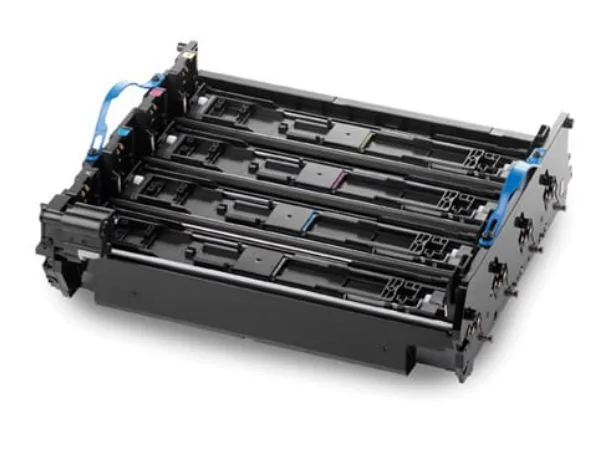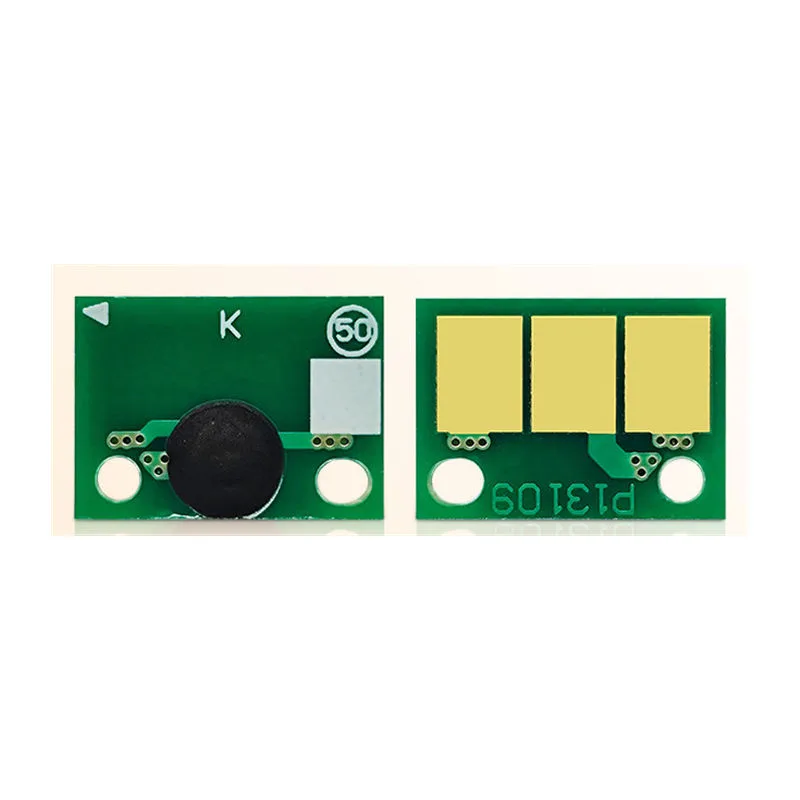
Bulk Sourcing Drum Chip for Siond: MOQ, Lead Time, and QC for Print Shops
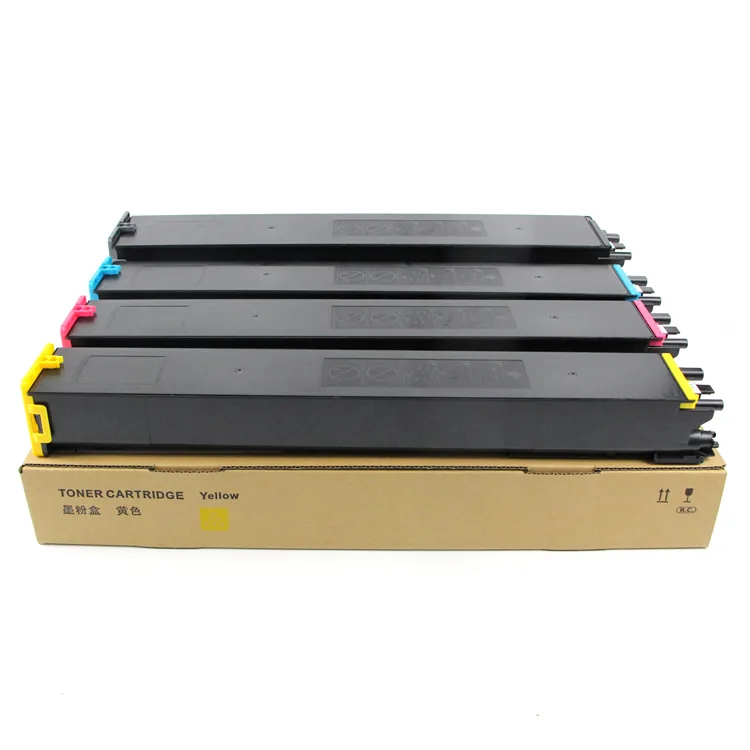
If you run a print shop or distribute copier supplies, you already know Siond drum chips can make or break your margins. The wrong batch means angry customers, wasted labor, and returns that eat your profit. But sourcing them in bulk without getting burned? That takes knowing exactly what to ask, what to inspect, and what terms actually matter. Here's how to buy Siond drum chips like a pro.
MOQ: What's Realistic and Where Suppliers Pad the Numbers
Most Siond drum chip suppliers quote MOQs between 500 and 2,000 pieces per model. That range exists because chip programming runs in batches, and small runs carry higher per-unit overhead. But don't accept the first number you hear. For popular Siond models—think the SPC series or MP C series—many factories will flex down to 300–500 units if you're ordering multiple variants together. The trick is bundling: instead of 1,000 chips for one SKU, ask for 300 each across four SKUs. You hit their production minimum without tying up cash in slow movers.
Watch for MOQs that are artificially high. Some traders inflate minimums to lock you into larger prepayments. A factory-direct supplier like CLONER can often accommodate mixed-model orders because we control the programming line, not just the warehouse. That flexibility matters when you're testing a new Siond model or servicing a niche client base.
Also clarify whether MOQ is per chip type or per order. A 1,000-piece MOQ per model is very different from 1,000 total. Get it in writing before you wire anything.
Lead Time: Why 'In Stock' Rarely Means What You Think
Standard lead time for Siond drum chips runs 7–15 working days from payment confirmation. That's for production, not shipping. If a supplier claims immediate dispatch on bulk quantities, they're either sitting on dead inventory or planning to substitute generic chips. Both are red flags. Real production involves programming, functional testing, and packaging—each step takes time.
Air freight adds 3–7 days; sea freight adds 20–40 depending on the route. For urgent restocks, negotiate a partial air shipment with the balance by sea. That split keeps your shop running without blowing your freight budget. And always ask for a production schedule with milestone updates. A supplier who can't provide one is a supplier who can't manage their own line.
Seasonal spikes matter too. Chinese New Year shuts factories for 2–3 weeks, and the backlog lingers into March. Order Siond chips in November or early December if you know you'll need them by February. The same applies to Golden Week in October. Planning around these windows saves you from panic-buying at inflated prices.
QC: The Checks That Separate Good Batches from Landfill
Functional testing is non-negotiable. Every Siond drum chip should be tested in an actual cartridge and printer before packing. Ask for test reports showing yield rates—95% or higher is the benchmark. Below that, you're paying for chips that will fail in the field. Also request batch numbers on each bag or box. If a customer reports a failure, you need to trace it back to a specific production run, not a generic 'we'll look into it.'
Visual inspection catches what functional tests miss. Look for uniform chip thickness, clean contact pads, and no residue on the PCB. Sloppy soldering or misaligned components mean the factory rushed. And check the firmware version. Siond printers are sensitive to chip firmware; an outdated version might work in one model but throw errors in another. Confirm the firmware matches the printer series you're servicing.
Here's a quick pre-shipment checklist you can send to any supplier:
- Functional test yield rate ≥95% with report
- Batch number and production date on each unit
- Firmware version confirmed for target Siond models
- Contact pad cleanliness and alignment verified
- Packaging includes anti-static protection
If a supplier hesitates on any of these, walk away. There are too many reliable options to gamble on one that cuts corners.
Pricing, Payment, and the Factory-Direct Advantage
Bulk pricing for Siond drum chips typically lands between $1.20 and $3.50 per unit, depending on model complexity and order volume. Anything below $1.00 should raise suspicion—either recycled chips or outright counterfeits. Ask for a sample order first. A legitimate factory will send 5–10 units for testing, often free or at cost. Use those samples to verify performance before committing to thousands.
Payment terms matter as much as price. Standard is 30% deposit, 70% before shipment. For repeat orders, negotiate 30/70 against copy of bill of lading, or even net 30 if you have a track record. Factories that demand 100% upfront are either cash-strapped or not confident in their product. And always pay through a traceable channel—wire transfer to a company account, not a personal one.
CLONER manufactures Siond-compatible drum chips in our own facility, which means we control programming, testing, and packaging. No middlemen, no mystery batches. We also offer OEM/ODM services: your logo, your packaging, your firmware specs. For distributors building a private-label line, that's a direct path to better margins and stickier customer relationships. Whether you need 500 chips or 50,000, we quote factory-direct and stand behind every batch.
Need a quote or samples from CLONER?
Factory-direct OEM/ODM supplier of compatible printer consumables & spare parts. Tell us your models — reply within 24h.