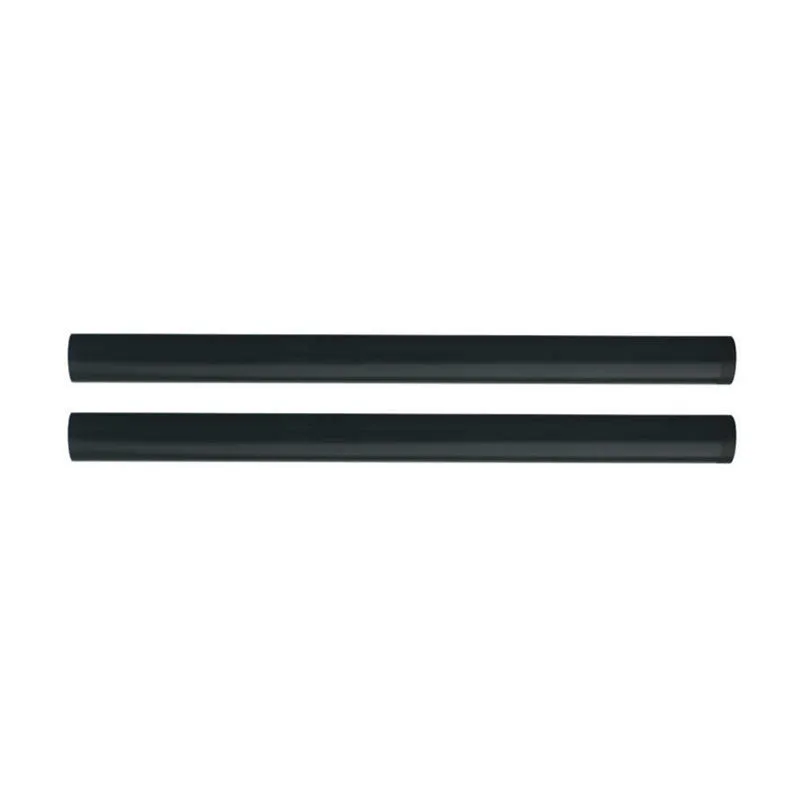
Bulk Sourcing Lower Fuser Rollers for Sharp: MOQs, Lead Times, and QC That Matter
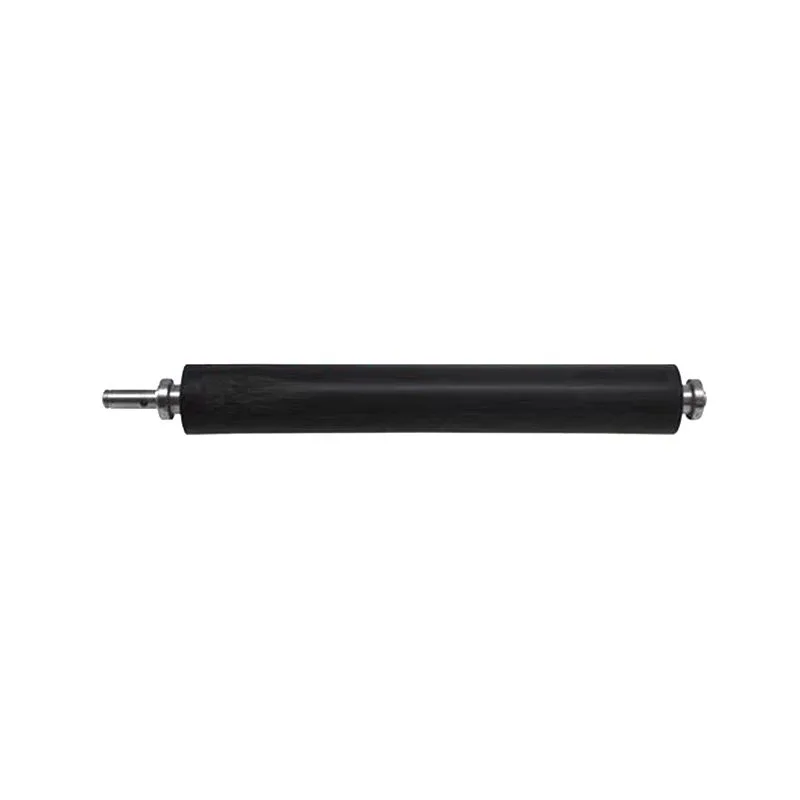
If you run a print shop or distribute copier parts, you already know the pain: a failed lower fuser roller on a Sharp MX-4140 or MX-5140 means downtime, angry customers, and emergency orders from whoever has stock. Buying in bulk should solve that, but most buyers get burned by vague MOQs, endless lead times, and rollers that fail in weeks. This guide cuts through the noise with practical advice on sourcing Sharp lower fuser rollers at volume.
Know Your Sharp Models and Roller Specs Before You Commit
Sharp's lower fuser rollers vary significantly across model families. A roller for an MX-2610N won't fit an MX-5112N, even if the diameter looks close. The most common bulk requests we see are for the MX-2300/2700 series, MX-4100/5000 series, and the newer MX-4140/5140 series. Each has distinct bearing configurations, silicone hardness ratings, and shaft lengths. If you're sourcing for a mixed fleet, you'll need a supplier who can group these correctly—not one who sends a generic 'Sharp roller' that fits half your machines.
Before requesting quotes, pull the exact part numbers from your service manuals or old rollers. For example, the MX-4100 series lower roller is often listed as NROLR1541FCZZ, while the MX-5140 uses a different assembly. A factory-direct supplier like CLONER will ask for these numbers upfront to prevent mismatches. Sloppy suppliers will nod and ship whatever's on the shelf. That's how you end up with a pallet of unusable stock.
MOQ Realities: What's Reasonable and What's a Red Flag
For Sharp lower fuser rollers, MOQs from Chinese factories typically start at 50–100 pieces per model. Some traders will quote MOQ 10, but that usually means they're repackaging from a larger batch—and you'll pay a 30–50% premium. If you're a print shop buying for your own machines, 50 pieces might be a year's supply. For distributors, 200–500 pieces per model unlocks better pricing and custom packaging.
Watch for MOQs that are too low to be true. A legitimate factory needs to run a production batch for coating and curing; 10 pieces doesn't cover setup. If a supplier claims MOQ 5 with no price penalty, they're either reselling or using inferior materials. CLONER's factory-direct model means we set MOQs based on actual production runs—usually 100 pieces for standard Sharp rollers, with flexibility for OEM/ODM projects where you need custom hardness or branding.
Lead Times: What to Expect and How to Avoid Delays
Standard lead time for bulk Sharp lower fuser rollers from a Chinese factory is 15–25 days after deposit, plus shipping. Sea freight adds 20–35 days to North America or Europe; air freight cuts that to 5–7 days but triples the cost. The trap is ordering during Chinese New Year or peak season (August–October), when lead times can stretch to 45 days. Plan your inventory around these windows.
Another delay source: unclear specifications. If you don't specify silicone hardness (typically 30–40 Shore A for lower rollers), shaft material (steel vs. aluminum), or bearing type, the factory might produce a batch that fails your QC. Always confirm these details in the PI (proforma invoice). CLONER's OEM/ODM service includes a pre-production sample for approval—use it. Waiting three days for a sample beats waiting three weeks for a rework.
QC Checks That Separate Good Rollers from Garbage
Lower fuser rollers fail for predictable reasons: poor silicone quality, uneven coating, wrong hardness, or weak bearings. When your bulk order arrives, don't just spot-check one box. Pull samples from the top, middle, and bottom of the pallet. Inspect for visible defects: bubbles, seams, discoloration, or inconsistent texture. A good roller feels smooth and slightly tacky, not sticky or dry.
Measure the outer diameter and length with calipers—tolerance should be within ±0.1mm. Check the shaft for straightness by rolling it on a flat surface; any wobble means bearing misalignment. If you have a durometer, test the silicone hardness at several points. Inconsistent readings indicate a bad batch. For high-volume buyers, ask for a pre-shipment inspection report. CLONER provides detailed QC reports with each bulk order, including hardness, diameter, and runout measurements.
- Verify part number matches your Sharp model exactly.
- Check silicone hardness (30–40 Shore A) and consistency.
- Inspect shaft straightness and bearing smoothness.
- Confirm packaging protects against moisture and pressure.
- Request a pre-shipment sample from the actual production batch.
Why Factory-Direct Beats Trading Companies for Sharp Parts
Trading companies add 15–30% markup and often can't trace materials back to the source. When a roller fails, they blame the factory; the factory blames the trader. With a factory-direct partner like CLONER, you get straight answers. We manufacture the silicone compounds, cure them in-house, and assemble the rollers. That means we control hardness, roundness, and bearing fit—and we can customize for OEM/ODM projects, whether you need your logo on the box or a specific hardness for a high-speed Sharp model.
For print shops and distributors, the real savings come from consistency. A lower fuser roller that lasts 200,000 copies instead of 80,000 cuts your replacement labor and customer complaints. Bulk sourcing only works when the product is reliable. CLONER's factory-direct model eliminates middlemen, so you pay for the roller, not the layers of markup. Send us your Sharp model list and target quantities, and we'll quote MOQ, lead time, and QC specs within 24 hours.
Need a quote or samples from CLONER?
Factory-direct OEM/ODM supplier of compatible printer consumables & spare parts. Tell us your models — reply within 24h.