Buying Fuser Assembly for Canon: A Field Guide for Copier Repair Shops
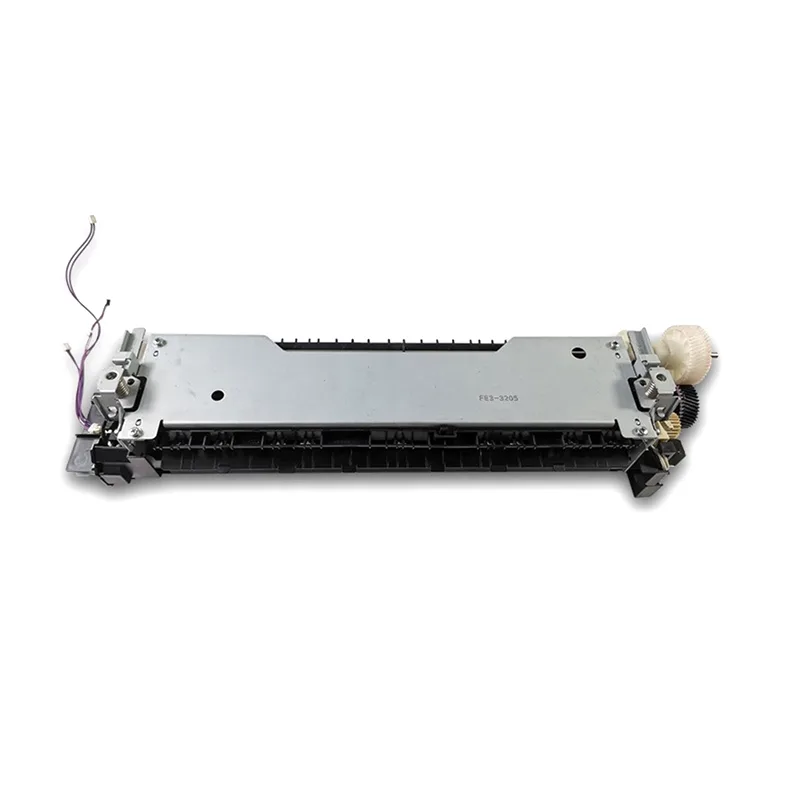
Every copier repair shop knows the sting of a fuser assembly that fails prematurely. You install a replacement, only to see ghosting, jamming, or error codes within weeks. The root cause often traces back to sourcing decisions—not installation. Canon's fuser units are precision components, and the aftermarket is flooded with options that vary wildly in quality. This guide cuts through the noise, giving you practical criteria to evaluate fuser assemblies for Canon machines, from the workhorse imageRUNNER series to the newer iR-ADV line.
Know Your Canon Fuser Families and Failure Modes
Canon fusers aren't interchangeable across model families. The imageRUNNER 2200/3300 series uses a film-based fuser with a ceramic heater, while the iR-ADV 400/500 series employs a belt-driven design. Each has distinct wear patterns. On the iR-ADV 4500, for example, the pressure roller bearing tends to seize around 150k pages, causing uneven fusing and a rhythmic thumping noise. The imageRUNNER 2520/2530 fusers often suffer from thermistor drift, leading to intermittent 'E000' errors. Recognizing these symptoms helps you specify the right replacement, not just any part that fits.
When a customer complains of toner smudging on the trailing edge, don't assume the fuser is bad—check the pressure roller first. But if the fuser film is torn or the heater lamp is open, replacement is inevitable. Keep a log of failure modes by model; it sharpens your buying specs and reduces comebacks.
Inspection Checklist for Incoming Fuser Assemblies
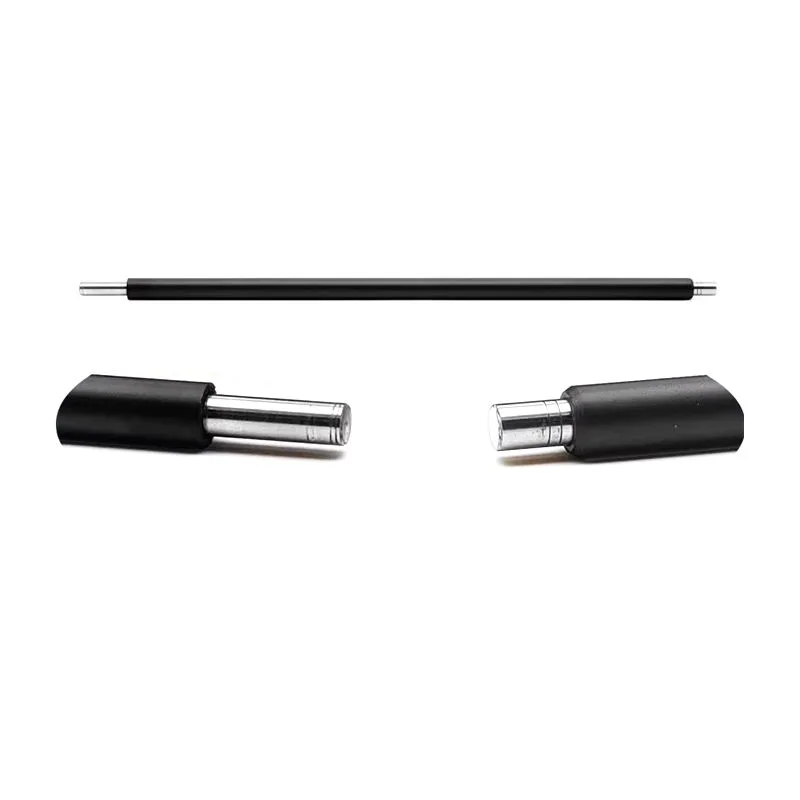
Before you accept a batch of fusers, inspect a sample. Start with the heater lamp: measure resistance with a multimeter—if it's outside the OEM spec (typically 10-20 ohms for many Canon models), reject it. Next, examine the pressure roller for flat spots or glazing. A quality roller should have a uniform, matte surface with no shiny bands. The thermistor should read within 10% of the expected curve; a cheap thermistor can cause fuser temperature overshoot and tripped error codes. Also, check the gear teeth on the fuser drive assembly—brittle plastic is a red flag for recycled or low-grade resin.
For belt fusers, rotate the belt manually. It should move smoothly without catching. Any binding indicates a misaligned bushing. Finally, verify that the connectors match your machine's harness—some aftermarket fusers use generic plugs that don't lock securely, leading to intermittent power loss.
OEM vs. Compatible: What Actually Matters for Canon
Genuine Canon fusers are expensive, often costing $300-$500. Compatible units can be half that, but quality varies. The key is not whether it's OEM, but whether the critical components—heater lamp, thermistor, pressure roller—meet or exceed OEM specifications. A compatible fuser with a high-quality ceramic heater and a silicone pressure roller can outlast a remanufactured OEM unit that uses a worn core. Ask your supplier for the source of these components. If they can't tell you, walk away.
Another factor: firmware compatibility. Newer Canon machines like the iR-ADV C350 series have fuser units with embedded memory chips that track page counts. A compatible fuser without the correct chip may trigger 'replace fuser' messages prematurely or fail to reset. Ensure your supplier offers fusers with properly programmed chips for the specific model.
Sourcing Strategies for Repair Shops
Buying fusers from a local distributor gives you quick turnaround, but you pay a premium. Direct-from-factory suppliers, especially those with OEM/ODM experience, offer better margins—if you vet them properly. Look for a supplier that manufactures the fuser assembly, not just rebrands. They should provide test reports for heater resistance, thermistor curves, and roller hardness. A factory-direct partner can also customize packaging or private-label the fuser for your shop's brand.
Consider your volume. If you stock fusers for the top five Canon models in your area, you can negotiate better pricing and reduce lead times. But don't overstock—fuser technology evolves, and old stock can become obsolete. A just-in-time arrangement with a reliable factory partner keeps inventory lean.
Why CLONER Fits the Bill for Canon Fuser Assemblies
CLONER has been manufacturing copier consumables and spare parts for over a decade, with a dedicated fuser assembly line for Canon models. We produce fusers for the imageRUNNER, iR-ADV, and i-SENSYS families, using OEM-equivalent heater lamps, thermistors, and pressure rollers. Our factory-direct model means you buy at wholesale prices without middlemen markups. For repair shops, we offer OEM/ODM services: you can order fusers with your own branding, custom packaging, and even model-specific firmware chips.
Every CLONER fuser undergoes a 12-point inspection before shipping, including a live test on compatible Canon machines. We provide detailed test data so you can verify quality before installation. Whether you need a single sample or a container load, our team works with you to match specs and delivery schedules. Stop gambling on unknown suppliers—partner with a factory that understands Canon fusers inside out. Contact us for a quote and sample today.
Need a quote or samples from CLONER?
Factory-direct OEM/ODM supplier of compatible printer consumables & spare parts. Tell us your models — reply within 24h.