Canon Fuser Assembly Buying Guide for Copier Repair Shops
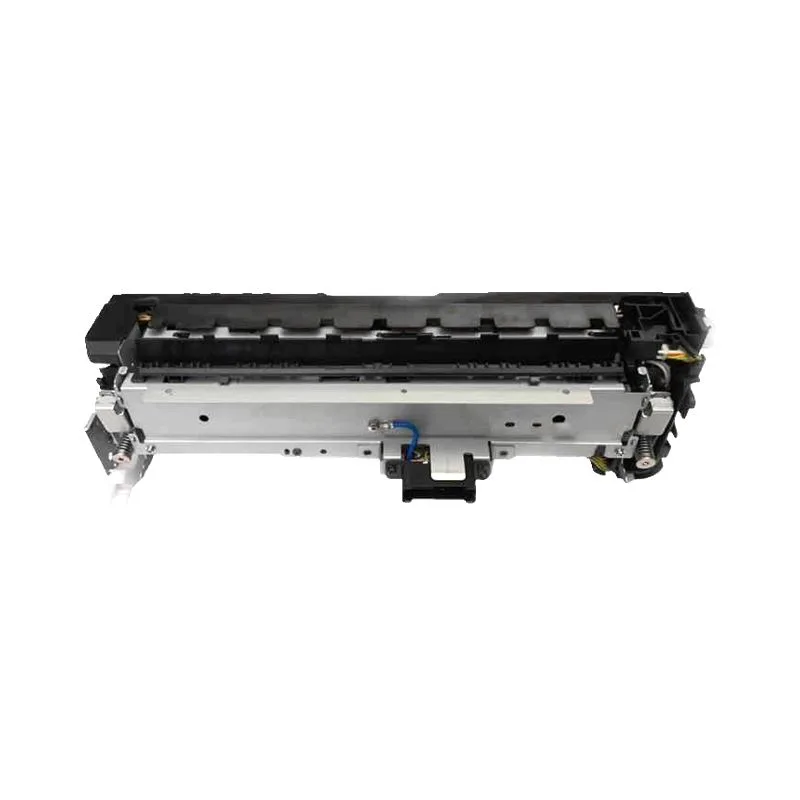
You've got a Canon iR-ADV 4525 sitting in the corner with a fuser that's chewed through its last pressure roller. Your regular parts distributor quotes you a genuine Canon fuser at a price that makes the customer flinch. You need a compatible unit that actually fits, doesn't throw E000-0001 codes on the first copy, and won't come back in three weeks. The problem isn't finding a fuser—it's finding one that matches the exact film thickness, thermistor curve, and gear pitch of the machine on your bench. That's where most aftermarket suppliers fail.
Know Your Canon Fuser Families Before You Order
Canon doesn't make one fuser. The iR-ADV 4000/5000 series (4525, 4535, 4545) uses a completely different fuser unit than the iR-ADV 6000/7000 (6055, 6075, 6255). The older iR 2520/2530/2545 fusers share nothing with the imageRUNNER C3200 color machines. If a supplier lists a fuser as "fits Canon iR-ADV 4000-6000 series," walk away. The mounting brackets, connector pinouts, and film sleeve diameters are different. A 4525 fuser will physically bolt into a 6055, but the thermistor resistance curve is wrong—you'll get intermittent E000-0001 or a fuser that runs 15°C too hot and cooks the toner.
For color machines like the iR-ADV C5535/C5540, the fuser assembly includes the fixing belt, pressure roller, and a separate sub-thermistor for the belt edge. Aftermarket units that skimp on the edge thermistor will throw E003-0001 after 500 pages. When you order, ask for the Canon part number cross-reference: FM1-D149-000 for the 4525, FM4-7898-000 for the C5535. If the supplier can't give you that number, they don't know Canon.
Inspection Checklist: What to Look for on the Bench
Don't trust the box. Pull the fuser, put it under a bright light, and check the film sleeve for ripples. A good compatible fuser uses a seamless polyimide film with a matte finish. Cheap ones have a visible seam that catches toner and causes ghosting. Spin the pressure roller by hand—it should turn with light resistance, no grinding. If it freewheels, the bearing grease is wrong and it'll seize in a week.
Check the thermistor connectors. Canon uses JST SH series connectors on most iR-ADV fusers. Aftermarket units sometimes ship with Molex clones that fit loose and cause intermittent open-circuit errors. Push each connector in until you hear a click, then tug gently. If it pulls out with less than 2N of force, return the whole batch. Also look at the gear teeth on the fuser drive. Canon uses a 24-tooth helical gear on the 4525 fuser; count them. A 22-tooth gear will mesh but will whine and wear the drive motor.
- Film sleeve: no seam, no ripples, matte finish
- Pressure roller: turns with resistance, no axial play
- Thermistor connectors: JST SH, click-lock, snug fit
- Drive gear: correct tooth count and helix angle
- Mounting brackets: stamped steel, not cast aluminum
Compatible vs. OEM: Where the Real Cost Lies
Genuine Canon fusers for the iR-ADV 4525 run $280–$340 wholesale. A good compatible unit from a factory-direct supplier lands at $95–$130. The gap isn't just margin—it's volume. Canon builds fusers to survive 300,000 pages in a law office. Your customer's machine does 8,000 pages a month. A compatible fuser rated for 150,000 pages is overkill for that duty cycle, but it costs half as much. The trick is finding a supplier who uses the same film supplier as Canon's tier-one vendors.
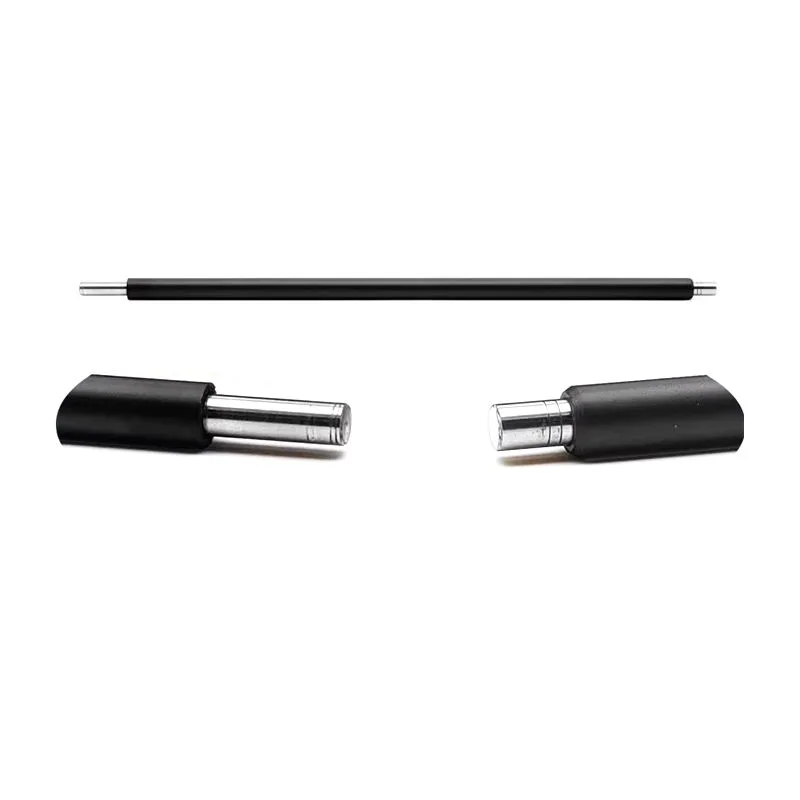
Ask about the film origin. Japanese polyimide film (Kaneka or UBE) lasts 2–3 times longer than Chinese film. The pressure roller silicone hardness matters too—Canon spec is 35–40 Shore A. Softer rollers flatten and cause paper wrap. If a supplier won't tell you the film brand or roller durometer, they're buying from a trading company, not a factory. That's three middlemen between you and the production line.
Ordering Terms That Protect Your Shop
Never buy fusers without a DOA policy. A 1% DOA rate is normal; 5% means the factory has no burn-in test. Ask for a 90-day warranty on the film sleeve and a 180-day warranty on the pressure roller bearing. If the supplier only offers 30 days, they know their bearings are marginal. For volume orders (20+ units), request a pre-shipment sample from the exact production batch—not a golden sample.
Shipping matters more than you think. Fusers are fragile. A unit that arrives with a bent frame will misalign the film and fail in 10,000 pages. Suppliers who ship in foam-lined Canon original boxes are worth a 5% premium over those who use bubble wrap and a poly bag. Also check the connector pins for oxidation—if the fuser sat in a humid warehouse for six months, the pins will have a green tint and cause resistance faults.
Why Factory-Direct Changes the Math
CLONER builds fuser assemblies for Canon iR-ADV and imageRUNNER series in our own plant—not sourced from a trading floor. We use Kaneka film, JST connectors, and 38 Shore A silicone rollers. Every unit gets a 3-minute burn-in at 200°C and a thermistor curve test before it's boxed. For repair shops doing 10–50 fusers a month, that means a 1.2% DOA rate instead of the 4–6% you get from generic importers.
We also do OEM/ODM work. If you want your own brand on the box, your own part number, or a custom thermistor curve for a specific machine revision, we'll tool it. Minimum order for custom packaging is 200 units; for a new fuser model, 500 units. Send us a dead Canon fuser and we'll reverse-engineer the film tension and roller pressure to match. That's how you stop gambling on aftermarket parts and start stocking a fuser line your techs trust.