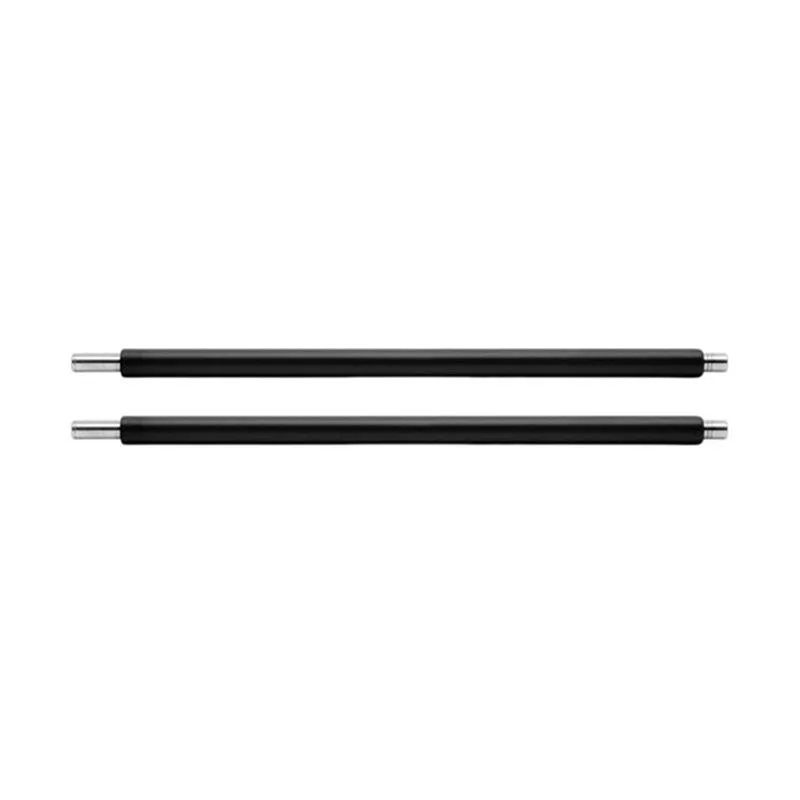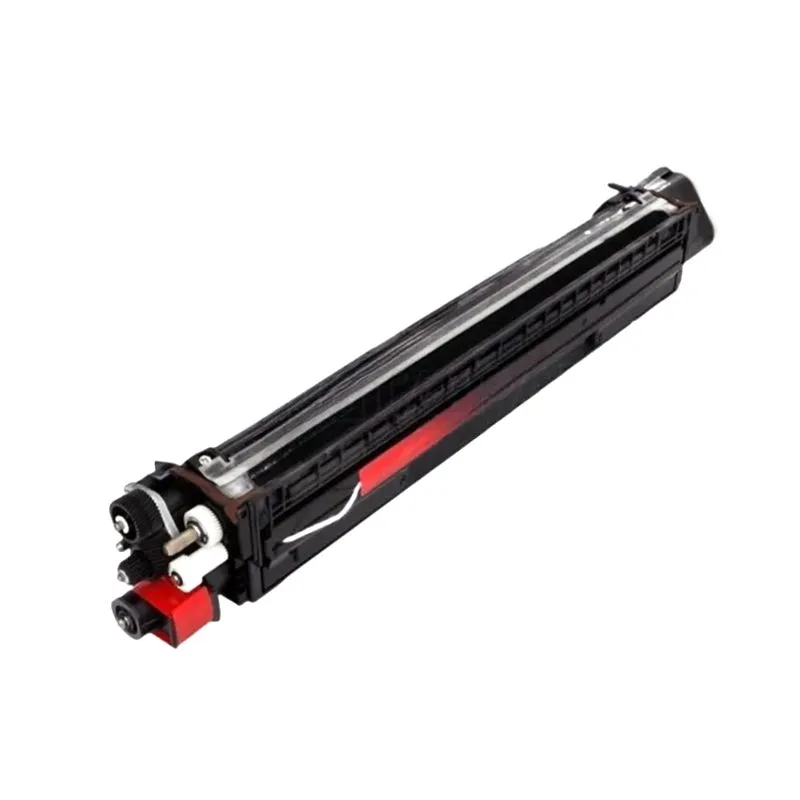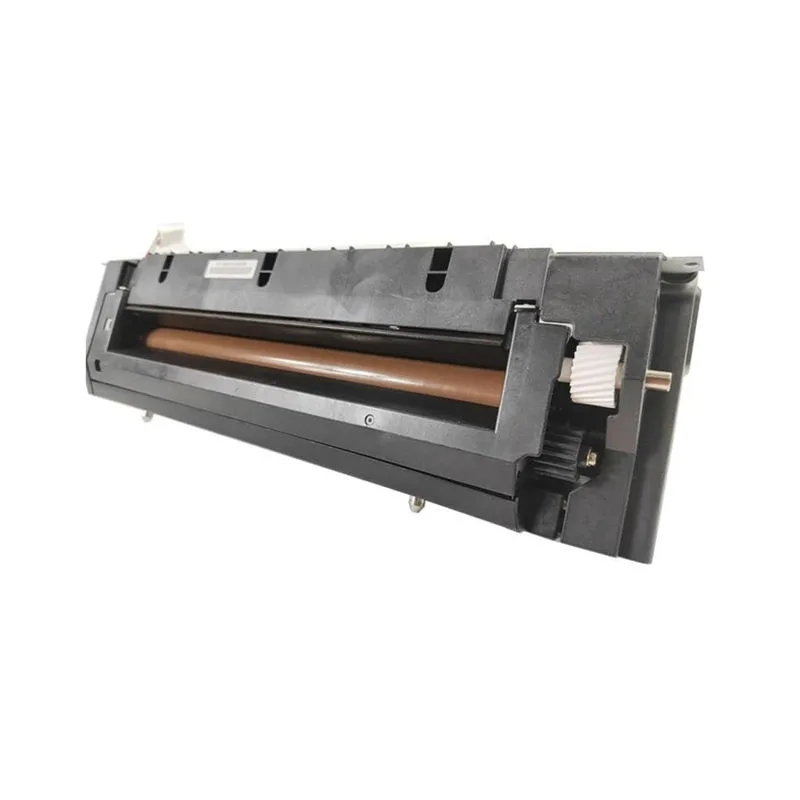
Buying Fuser Assemblies for Ricoh: A Field Guide for Copier Repair Shops
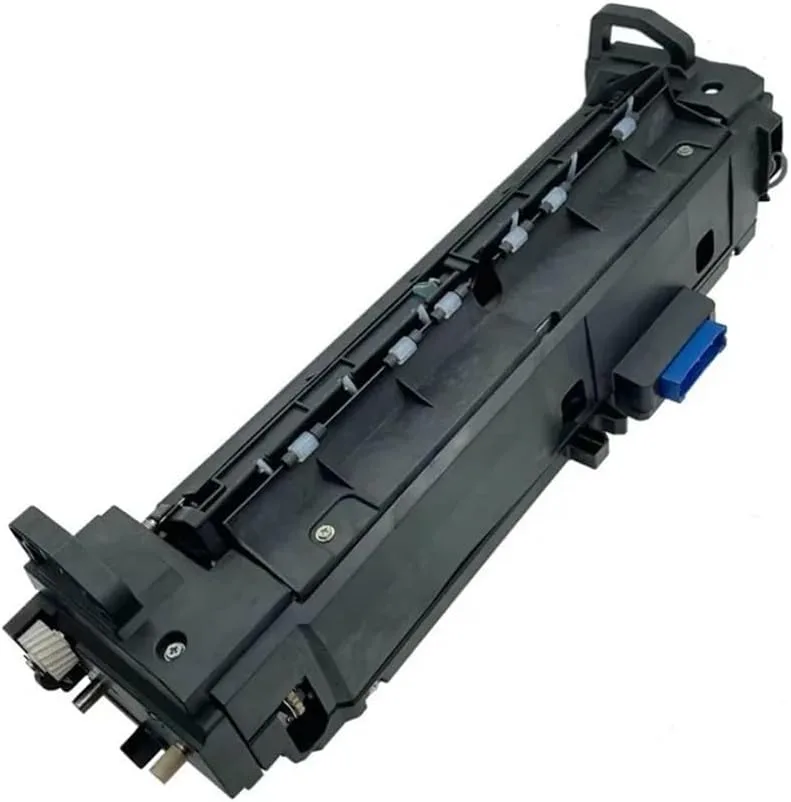
You've got a Ricoh MP C3004 sitting in the shop with a fuser that's chewing up paper and throwing SC codes. The customer needs it back yesterday. You source a fuser from a distributor, install it, and three weeks later it's back—same fault, plus a damaged pressure roller. This scenario plays out constantly, and it's almost always a purchasing problem, not a technical one. The Ricoh fuser market is full of lookalike assemblies that don't match voltage codes, bearing specs, or firmware expectations. Here's how to buy right the first time.
Know Your Ricoh Fuser Families Before You Order
Ricoh doesn't make one fuser for "MP" machines. The MP C2003/C2503/C3003/C3503 series shares a fuser family, but voltage variants (100V, 120V, 220–240V) are not interchangeable—install a 120V fuser in a 220V machine and you'll blow the lamp within minutes. The MP C3004/C3504/C4504/C5504/C6004 uses a different assembly entirely, with a redesigned belt and pressure roller. Then you have the older MP 2352/2852/3352 and the MP 3010/2510 workgroup units—completely different fusing geometry.
Don't trust the model number on the front door alone. Pull the fuser out and read the label on the frame. You're looking for a Ricoh part number like D149-4025 or D242-4025, plus a voltage suffix. Cross-reference that number against the machine's serial range. Early and late production runs sometimes used updated fusers with different thermistor positions. If your supplier can't tell you which revision they're shipping, you're gambling.
Voltage Codes, Thermistors, and the SC Code Trap
SC 542, SC 543, SC 547—these are the fuser-related service codes that send machines to your bench. A lot of aftermarket fusers trigger them because the thermistor resistance curve doesn't match Ricoh's spec. The machine sees a temperature that's off by 10–15°C and shuts down. You can't fix that with a firmware update. You need a fuser with genuine-spec thermistors or a supplier who can provide the resistance table.
Same goes for fuser lamps. Ricoh uses halogen lamps with specific wattage and length. A 600W lamp in a machine designed for 550W will overheat the belt and cook the pressure roller. Ask your supplier for the lamp wattage and the thermistor part number. If they hesitate, move on.
Inspection Checklist for Incoming Fuser Stock
When a pallet of fusers arrives, don't just count boxes. Open at least three units per batch. Spin the pressure roller by hand—it should turn smoothly with no flat spots or bearing growl. Check the fuser belt for wrinkles or edge cracks. Look at the connector pins: bent or recessed pins mean the harness won't seat, and you'll chase an intermittent SC code for a week.
- Verify part number and voltage suffix against the machine's label.
- Spin pressure roller and listen for bearing noise.
- Inspect fuser belt for creases, cracks, or uneven coating.
- Check thermistor connector pins for straightness and corrosion.
- Confirm lamp wattage matches OEM spec (ask for datasheet).
If you're buying in volume, request a sample first. Install it in a known-good machine and run 500 duplex prints. Check for SC codes, paper curl, and toner offset. A fuser that passes that test is worth a container order.
OEM vs. Compatible: What Actually Matters in the Field
Genuine Ricoh fusers cost 3–4 times more than quality compatible units. For a repair shop, the decision isn't about brand loyalty—it's about callback rate. A compatible fuser with correct thermistors, correct lamp wattage, and a quality pressure roller will last 80–90% of OEM life at half the cost. The failures come from cheap bearings, undersized lamps, and thermistors that drift after 10k pages.
Ask your supplier where the bearings come from. NSK and NTN are the good ones. Ask about the belt—is it a seamless belt or a welded belt? Welded belts fail at the seam. And ask about warranty terms. A 90-day warranty on a fuser is standard; 180 days tells you the supplier believes in their product.
Why Factory-Direct Changes the Math for Repair Shops
CLONER manufactures fuser assemblies for Ricoh and other major brands at our own factory. That means we control the thermistor sourcing, the lamp wattage, and the bearing grade—not a trading company repackaging whatever was cheapest that month. For repair shops, the advantage is straightforward: you get OEM-spec fusers at factory-direct pricing, with consistent quality batch to batch.
We also do OEM and ODM work. If you're a distributor with your own brand, we can put your label on the box and your part number on the frame. If you need a custom fuser for a niche Ricoh model that nobody else stocks, we can tool up and produce it. No middleman, no mystery parts. Send us your part number and voltage code, and we'll quote you factory-direct with a sample lead time.