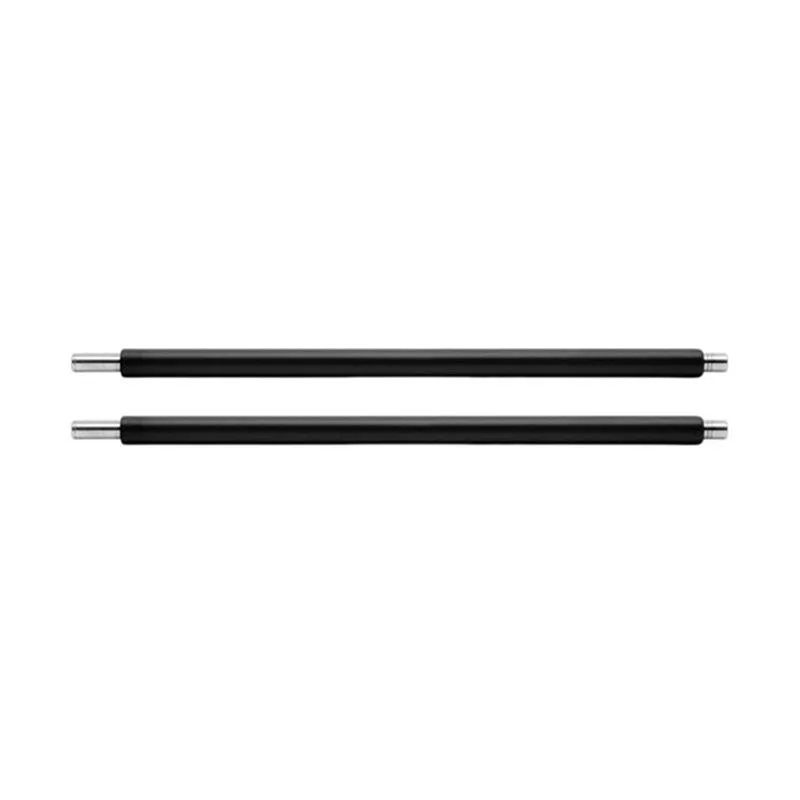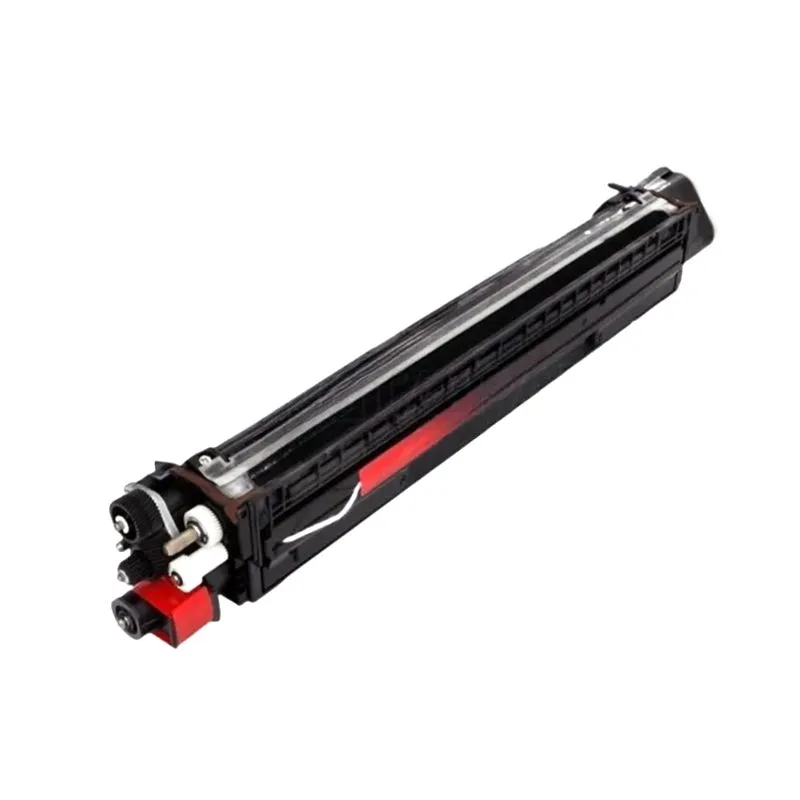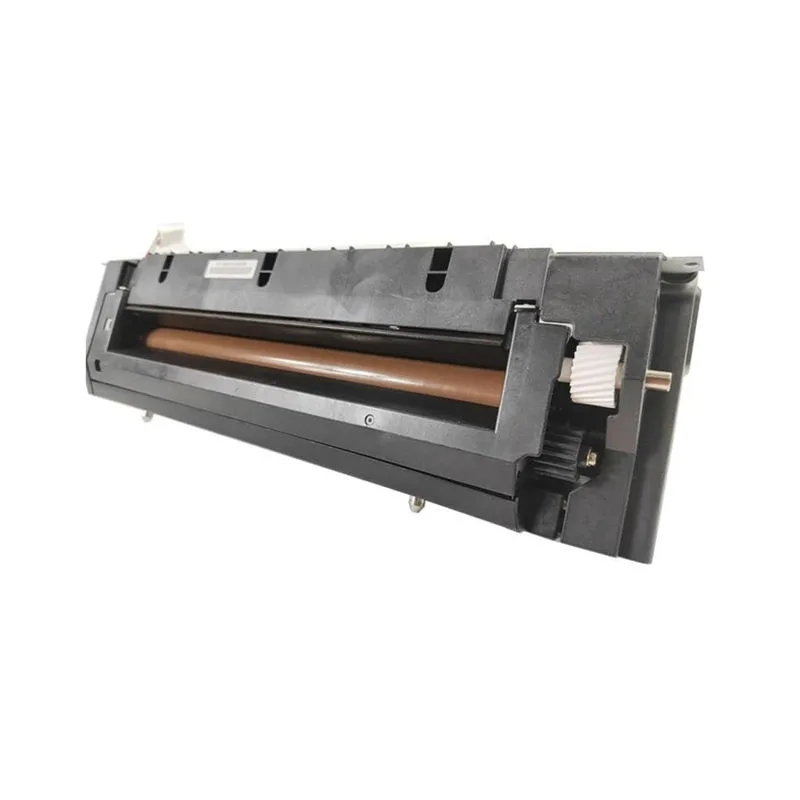
Buying Ricoh Fuser Assemblies: A Field Guide for Copier Repair Shops
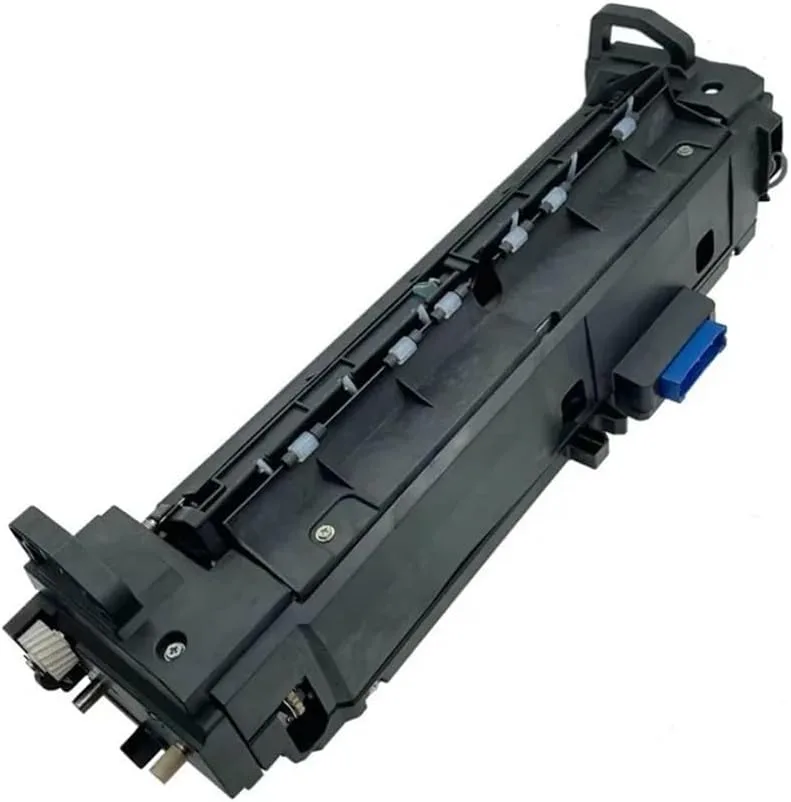
Ricoh fusers are the part that separates a shop with repeat customers from one drowning in warranty comebacks. The MP C3003 through C6003 series, the IM C2000–C6000 line, and the older MP 2352/2852 workhorses all have different fuser architectures, different pressure roller specs, and different failure signatures. Get the assembly wrong and you will see fuser codes, toner offset, and paper wrap issues within the first few hundred pages. This guide covers what actually matters when you place the order.
Know Which Ricoh Fuser You Are Actually Buying
Ricoh reuses fuser housings across model ranges but changes the internal components. The MP C3003 fuser (D149-4025) shares a shell with the C3503, but the pressure roller durometer and thermistor placement differ from the C4503 and C5503 units. If a supplier lists one fuser as fitting "MP C3003–C6003," ask for the OEM part number cross-reference. A genuine Ricoh fuser for the C3003 will not run clean in a C6003 — the nip width is wrong and you will get insufficient fusing on heavy stock.
The IM C series introduced a redesigned fuser with a thinner belt and different lubricant chemistry. These units are more sensitive to installation technique than the older MP fusers. Shops that buy IM C3000/C3500 fusers from brokers without confirming the belt type often see premature belt wrinkling within 50k pages. Always request the production batch and confirm the belt supplier — Ricoh uses specific belt vendors and the tolerances are tight.
For the MP 2352/2852 and similar monochrome machines, the fuser is a simpler assembly but the pressure springs and cleaning web are the two parts that fail first. A remanufactured unit that skips the web replacement will leak toner into the fuser frame and cause smearing on the trailing edge of every page.
Inspection Points That Separate Good Stock from Landfill
When you receive a pallet of Ricoh fusers, do not just check the connector and call it good. Pull two or three units and inspect the pressure roller surface under a bright light. Any glazing, flat spots, or visible seam lines mean the roller was not replaced or was replaced with a low-grade aftermarket part. Glazed rollers cause poor fusing on the first page after power-up and inconsistent gloss on coated stock.
Check the thermistor and thermostat mounting. On the MP C series, the thermistors are held by small clips that crack during removal. A cracked clip lets the thermistor drift off the roller surface, and the machine will throw SC542 or SC543 intermittently. Run your finger along the fuser frame near the connector — if you feel rough plastic or see stress marks, the unit was pulled roughly from a dead machine.
The cleaning web is the most overlooked item. On Ricoh color fusers, the web should be white or light grey with no toner saturation. A web that is dark grey or stiff has already done significant work and will not last through your warranty period. Ask your supplier what the web condition is on their reman units — if they cannot answer, they are not inspecting them.
OEM, Compatible, and Reman: What Your Customers Actually Need
There is a place for every tier. For a law office running 2,000 pages a month on an MP C3003, a quality reman fuser with a new pressure roller and web is the right call — it costs 40–50% less than OEM and will last the remaining life of the machine. For a print shop running 30,000 pages a month on an IM C6000, OEM or a high-grade compatible with a genuine belt is the only sensible option. The labor cost of a callback exceeds the price difference every time.
Compatible fusers vary wildly. The good ones use new pressure rollers, new thermistors, and genuine-spec belts. The bad ones reuse everything and just clean the housing. Ask for the bill of materials. If the supplier cannot tell you whether the pressure roller is new or reused, assume reused. On Ricoh color machines, a reused pressure roller with more than 150k pages on it will fail within 20k pages in most cases.
Watch for fusers pulled from lease-return machines. These often have low page counts but have been sitting in a warehouse for two years. The lubricant on the belt dries out, and the first thing you will see is belt squeal on startup. A fuser that squeals is a fuser that will fail. Always ask about storage conditions and test a sample unit before committing to a large order.
Ordering Terms and Warranty That Protect Your Shop
Ricoh fuser assemblies are heavy and bulky, so shipping damage is common. Insist on foam-in-place or custom molded packaging, not just bubble wrap in a box. A bent fuser frame will not align properly and will cause paper skew that no amount of adjustment can fix. If your supplier ships in generic cartons, expect a damage rate above 5%.
Warranty terms matter more on fusers than almost any other part. A 30-day warranty is useless if the fuser fails at 45 days. Push for 90 days minimum on reman and 180 days on OEM. Also clarify whether the warranty covers labor or just the part. For a shop doing 10–15 fuser replacements a week, a supplier who covers labor on verified defects is worth a small price premium.
Ask about core returns. Ricoh fuser cores have value, and a supplier who charges a core deposit but never credits it back is a red flag. Get the core return policy in writing before you place the first order. The best suppliers will accept cores in any condition and credit within one billing cycle.
- Confirm OEM part number cross-reference for your exact model
- Inspect pressure roller for glazing, flat spots, and seam lines
- Verify cleaning web condition and thermistor clip integrity
- Ask for bill of materials on reman units — new vs. reused
- Get warranty and core return policy in writing
CLONER manufactures fuser assemblies and components for Ricoh and other major brands at our own factory, which means we control the pressure roller durometer, belt sourcing, and thermistor placement instead of guessing. For repair shops and distributors, we offer OEM and ODM programs with custom branding, model-specific packaging, and warranty terms built around your service volume. If you are tired of sorting through broker stock and want consistent Ricoh fuser assemblies with a documented bill of materials, our team can quote your model list directly from the production line.
Need a quote or samples from CLONER?
Factory-direct OEM/ODM supplier of compatible printer consumables & spare parts. Tell us your models — reply within 24h.