Sharp Feed Roller Buying Guide: Compatibility, Page Yield & Sourcing Tips
If you're stocking feed rollers for Sharp copiers, you already know the pain: the OEM part is expensive, the aftermarket is a lottery, and a bad roller can turn a routine PM into a callback. This guide cuts through the noise—what actually fits, what wears, and how to buy without getting burned.
Compatibility: Not All Sharp Rollers Are Created Equal
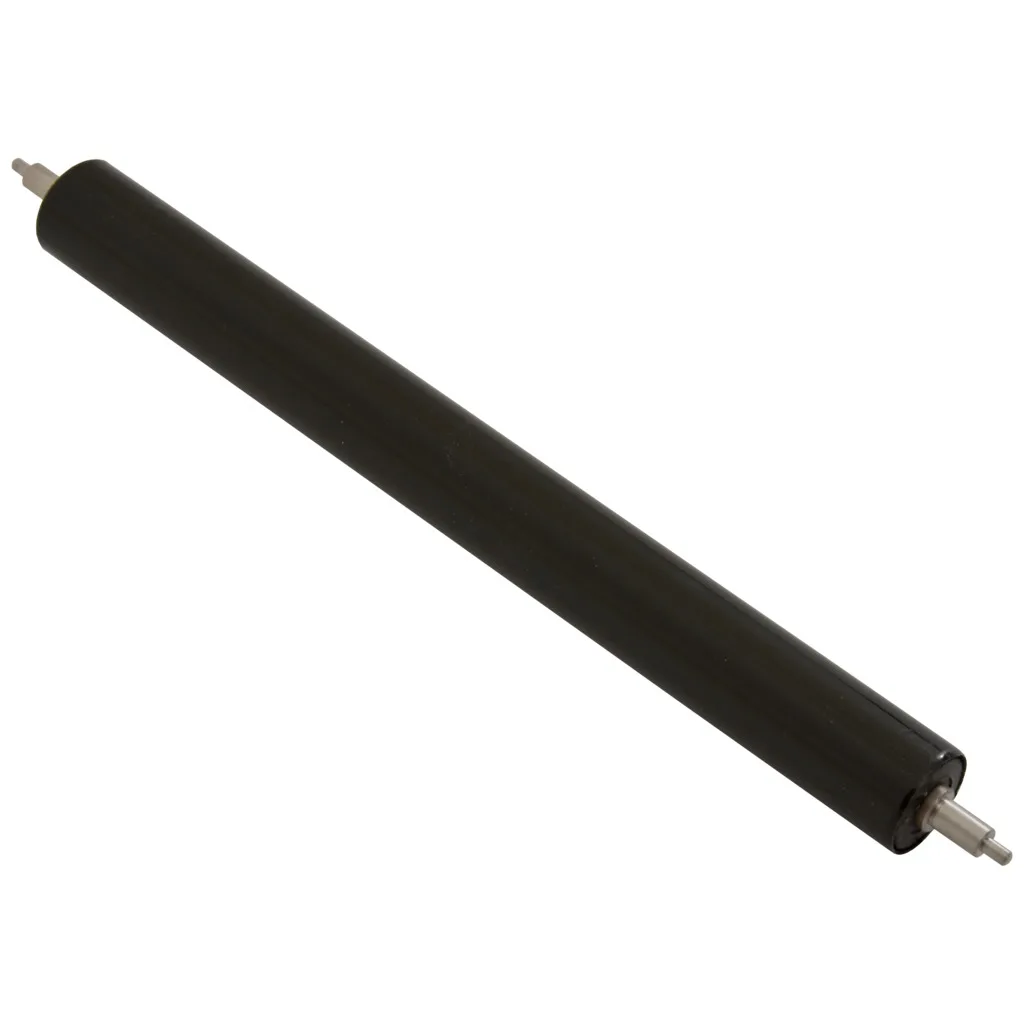
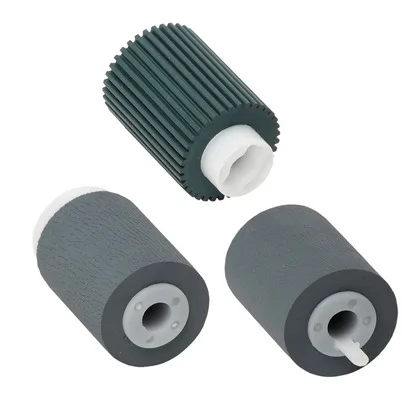
Sharp uses different feed roller assemblies across their product lines. The MX-2610/3110/3610 series uses a separate feed roller and retard roller, while the MX-4070/5070 series integrates the feed roller into a larger paper feed unit. Don't assume one part number fits all. Check the service manual or the parts catalog for your specific model before ordering.
Sharp has also changed roller materials over the years. Older models used rubber with a higher coefficient of friction, which wore faster but gripped better. Newer rollers use a polyurethane blend that lasts longer but can harden in low humidity. If you're in a dry climate, you might see more paper jams from slipping—so consider a roller with a slightly softer durometer for those conditions.
When sourcing, always confirm the OEM part number cross-reference. For example, the feed roller for the MX-2610 is often listed as part #NROLTR0002FCZZ, but some aftermarket suppliers use their own numbering. Ask for a compatibility chart or verify against a known OEM unit.
Page Yield: What to Expect and How to Maximize It
OEM Sharp feed rollers typically last 100,000 to 150,000 pages, depending on paper quality and environment. But that's a lab number. In the field, we've seen rollers fail at 60,000 pages when the copier sits in a dusty office or uses cheap, recycled paper with high abrasive content.
Here's the thing: page yield isn't just about the roller. It's about the whole feed system. If the separation pad is worn, the feed roller has to work harder, which accelerates wear. We recommend replacing the feed roller and retard roller as a set, and checking the separation pad every other PM. This can extend the effective life of the roller by 20% or more.
Also, don't ignore the pickup roller. On many Sharp models, the pickup roller and feed roller are separate parts, and they wear at different rates. The pickup roller lifts the paper, the feed roller separates and advances it. If you only replace the feed roller, you'll still have jams from a worn pickup roller. Budget for both.
Inspection: How to Spot a Bad Roller Before It Fails
When you're doing a PM or receiving a shipment, here's what to look for. A worn feed roller will have a shiny, glazed surface—that means the rubber has hardened and lost its grip. You'll also see cracks or flat spots if the roller has been sitting under pressure for a long time.
Another test: press your fingernail into the roller surface. It should leave a slight indentation and spring back. If it's hard as a rock, it's no good. Also, check the diameter. A new roller has a specific OD; if it's worn down by even 0.5mm, the feed timing will be off, causing skew and jams.
For aftermarket rollers, ask the supplier for a hardness spec (typically 40-50 Shore A) and a surface roughness test. If they can't provide it, walk away. That's the difference between a roller that works and one that causes callbacks.
Sourcing: Direct from Factory vs. Middlemen
You can buy Sharp feed rollers from OEM, authorized dealers, or aftermarket brands. OEM is reliable but expensive—often 3-4 times the cost of a good aftermarket part. Middlemen add markup and sometimes source from the same factory you could buy from directly. That's why many savvy importers go straight to a manufacturer like CLONER.
When sourcing, ask for a sample first. Test it on a real machine—not just a bench test. Run 5,000 pages through a high-volume Sharp model and check for jams, misfeeds, and wear. Also, ask about the production batch size and whether they use virgin materials. Some low-cost factories use regrind rubber, which fails fast.
CLONER is a factory-direct supplier of Sharp feed rollers and other printer consumables. We offer OEM-compatible parts with matching specs and competitive pricing. We also do OEM/ODM—if you have a specific design or packaging requirement, we can custom-make it for you. That's the advantage of working with the source, not the middleman.
Ordering Tips: Get the Right Terms
When you place an order, specify the exact model series and part number. Don't rely on vague descriptions like "Sharp feed roller." Also, ask for a warranty—at least 12 months or 100,000 pages, whichever comes first. A reputable manufacturer will stand behind their product.
Check the lead time and minimum order quantity. For popular Sharp models like the MX-2610, we keep stock and can ship within a week. For less common models, MOQ might be higher, but we can still accommodate smaller trial orders. And always request the technical datasheet—it should show the material, hardness, and dimensional tolerances.
Finally, consider the total cost, not just the unit price. A cheap roller that fails at 30,000 pages costs you more in labor and downtime than a quality roller that lasts 100,000. Factor in your technician's time and the customer's frustration. That's where CLONER's factory-direct pricing and consistent quality pay off.
We've been making feed rollers for Sharp and other brands for over a decade. Our rollers are used by dealers and importers worldwide, and we're happy to send samples for evaluation. Whether you need a standard replacement or a custom OEM part, CLONER has the capability and the experience to deliver. Contact us for a quote, and we'll help you keep those Sharp copiers feeding smoothly.