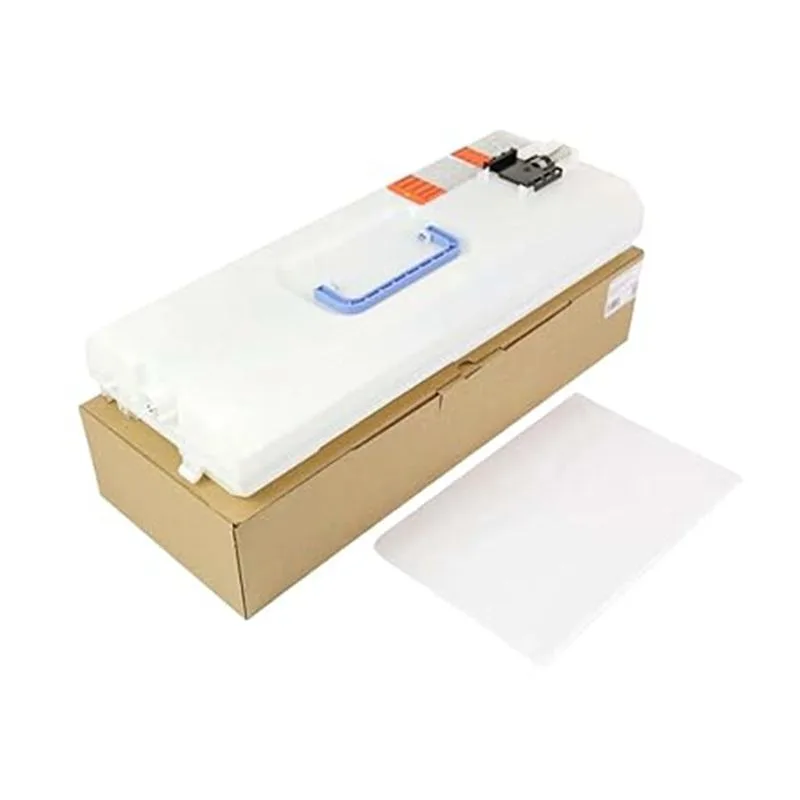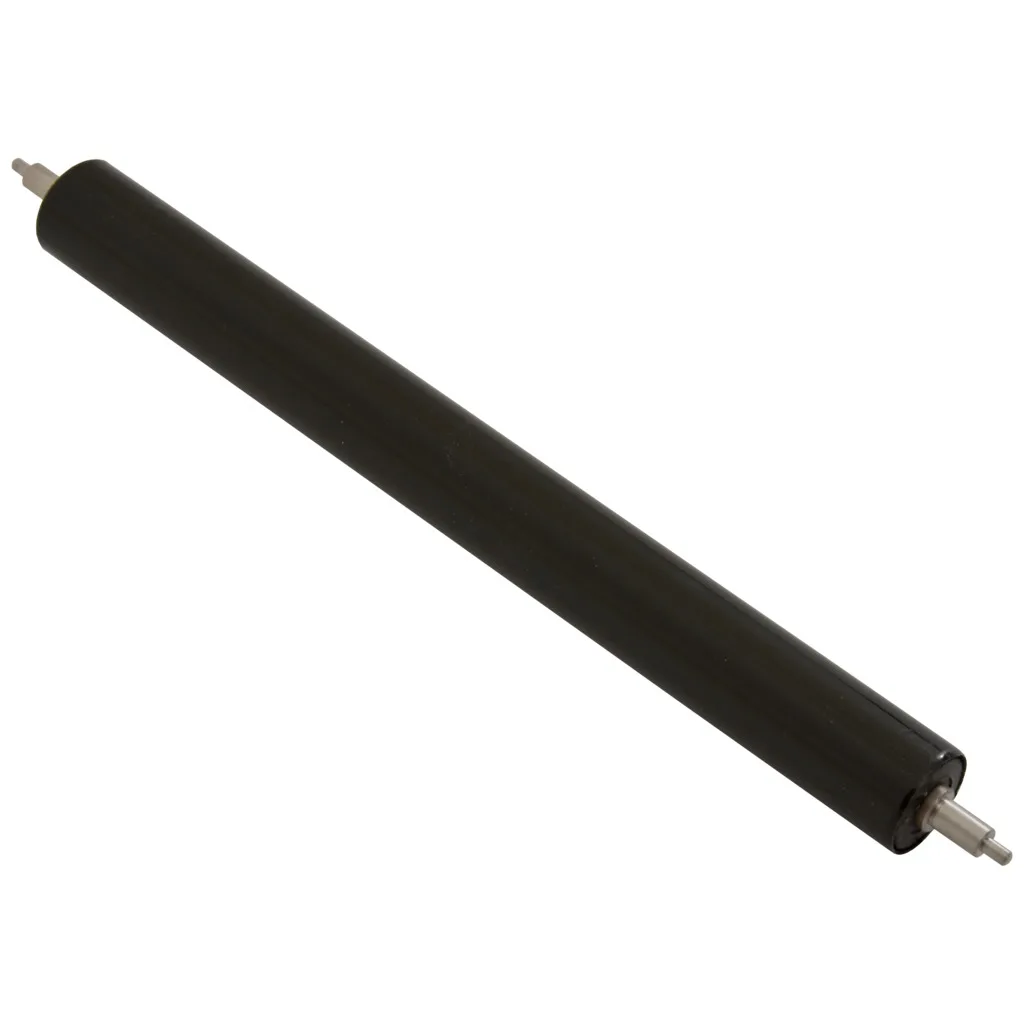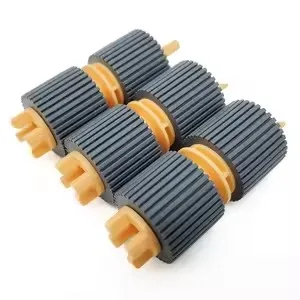
Feed Roller for Sharp: Compatibility, Page Yield and Sourcing Tips
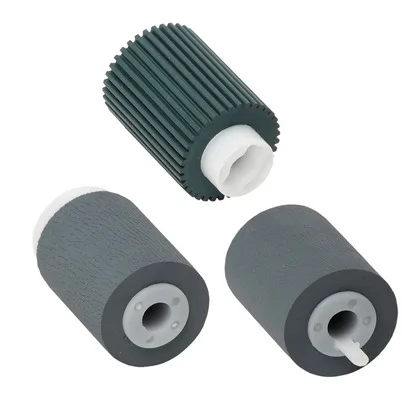
When a Sharp copier starts pulling multiple sheets or jamming every few thousand prints, the feed roller is usually the culprit. It's a wear item that gets overlooked until it wreaks havoc on your customer's uptime. For B2B buyers, the challenge isn't just finding a roller—it's finding one that matches OEM specifications for friction, hardness, and dimensional accuracy, especially across Sharp's diverse model families like the MX-2600N, MX-4100N, and the newer MX-3070 series.
Compatibility: More Than Just Part Numbers
Sharp feed rollers come in two main types: the pick-up roller (often paired with a separation pad) and the feed roller itself. The pick-up roller grabs the paper from the tray; the feed roller ensures single-sheet separation. On many Sharp models, the pick-up and feed rollers are sold as a kit, but they wear differently. You can't just swap one without checking the other—a worn feed roller will cause double-feeds even with a fresh pick-up.
Cross-referencing part numbers is the easy part. The real compatibility trap is the subtle differences in roller hardness and surface texture between Sharp's older and newer machines. For instance, the MX-2600N uses a rubber compound that's softer and more grippy, while the MX-3070 series uses a harder, more wear-resistant material. If you install a roller meant for the older series into a newer machine, you'll get paper dust buildup and premature wear. Always verify the OEM part number (e.g., DUNT-0089 for the MX-2600N pick-up, or DUNT-0103 for the MX-3070 feed) and match the material spec.
Page Yield: What to Expect and What Affects It
Page yield for a Sharp feed roller isn't a fixed number—it depends on paper quality, environment, and duty cycle. In normal office conditions with standard 80gsm paper, you can expect 80,000 to 120,000 prints from a genuine roller. But if your customers run heavy cardstock or recycled paper, that number drops by half. Humidity is another killer: high humidity makes paper curl and increases friction, wearing the roller faster.
Here's a practical tip: the rubber surface degrades even when the machine sits idle. Oxidation and ozone exposure from the corona unit can harden the rubber over time. So a roller that's been in storage for two years may perform like a worn one, even if it's never been used. When you source from a supplier, ask about manufacturing date and storage conditions. At CLONER, we rotate stock and use sealed packaging to minimize oxidation, but not every supplier does.
Inspection Points Before You Buy
Don't rely solely on the part number. When you receive a sample or a batch, check three things. First, the surface: run your fingernail across the roller—it should leave a slight mark that springs back. If it's hard or glossy, the rubber has aged. Second, the shaft: it should be straight and free of rust, with a snug fit into the gear or bushing. A loose shaft causes vibration and uneven feeding. Third, the taper: the roller should have a slight crown (thicker in the middle) to maintain paper contact. A perfectly cylindrical roller is a red flag for cheap manufacturing.
- Check surface hardness with a durometer (target 40-50 Shore A for Sharp).
- Measure roller diameter with calipers (e.g., 24mm for MX series).
- Inspect the separation pad for wear—it's often sold separately but crucial.
Another insider point: many aftermarket rollers use a foam core instead of solid rubber. Foam is cheaper but compresses over time, losing grip. Genuine Sharp rollers use a solid rubber compound bonded to a metal or plastic hub. If the roller feels light and squishy, walk away.
Sourcing Strategies for B2B Buyers
You have three sourcing options: OEM from Sharp, aftermarket from a local distributor, or factory-direct from a manufacturer like CLONER. OEM is reliable but expensive and often backordered. Local aftermarket can be hit-or-miss—you might get a roller that looks right but fails in weeks. Factory-direct gives you control over quality and cost, provided the manufacturer has the right equipment and experience.
When evaluating a factory-direct supplier, ask for their quality certifications (ISO 9001 is a baseline) and request a sample for testing. A serious manufacturer will have a dedicated line for Sharp rollers, with molds that match OEM specs. They should also offer customization—for example, you might want a roller with a different hardness for a specific climate or paper type. CLONER does OEM/ODM for Sharp rollers, and we can adjust the rubber compound to suit your market. We also offer private labeling, so you can sell under your own brand.
Volume pricing is another factor. If you're stocking for multiple Sharp models, consolidate your orders. A factory-direct partner can bundle rollers for different models into one shipment, reducing freight costs. Just make sure they have a stable supply of raw materials—rubber quality varies by batch, and a good manufacturer tests each batch for consistency.
Finally, consider lead times. Sharp rollers are high-turnover items, so you don't want a supplier with a 30-day lead time. Look for one that keeps popular models in stock. At CLONER, we maintain a 20,000-piece inventory of Sharp feed rollers, covering the MX, AR, and SF series, and we ship within 5 days. That's the kind of reliability that keeps your customers happy and your cash flow moving.
When you're ready to source, ask for a cross-reference list and a sample kit. Test the rollers on a high-usage machine, track the page count, and compare the wear pattern to OEM. That data will tell you more than any spec sheet. If you want a partner that treats your business like their own, CLONER's factory-direct and OEM/ODM capabilities are built for that. We're not just a supplier—we're your back-end manufacturing arm, ready to support your growth.
Need a quote or samples from CLONER?
Factory-direct OEM/ODM supplier of compatible printer consumables & spare parts. Tell us your models — reply within 24h.