Lower Fuser Roller for OKI: Compatibility, Page Yield and Sourcing Tips
OKI printers are workhorses in offices and print shops, but their fuser assemblies—especially the lower roller—are a frequent replacement point. Buyers who get compatibility wrong or accept low-grade rollers end up with jams, poor print quality, and unhappy customers. This guide gives you the practical details to source the right lower fuser roller for OKI machines, whether you're restocking for a repair shop or importing in bulk.
Compatibility: More Than Just Model Numbers
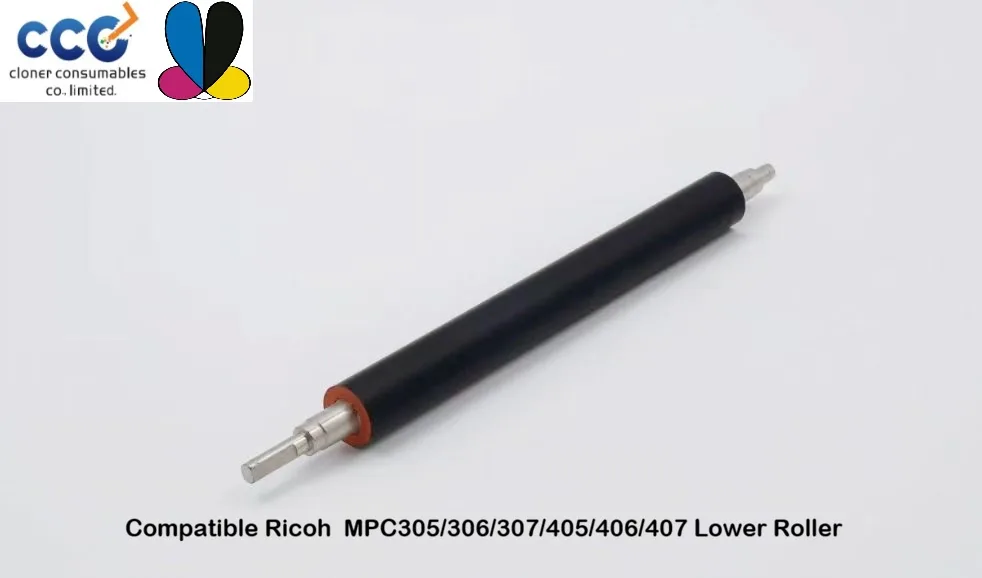
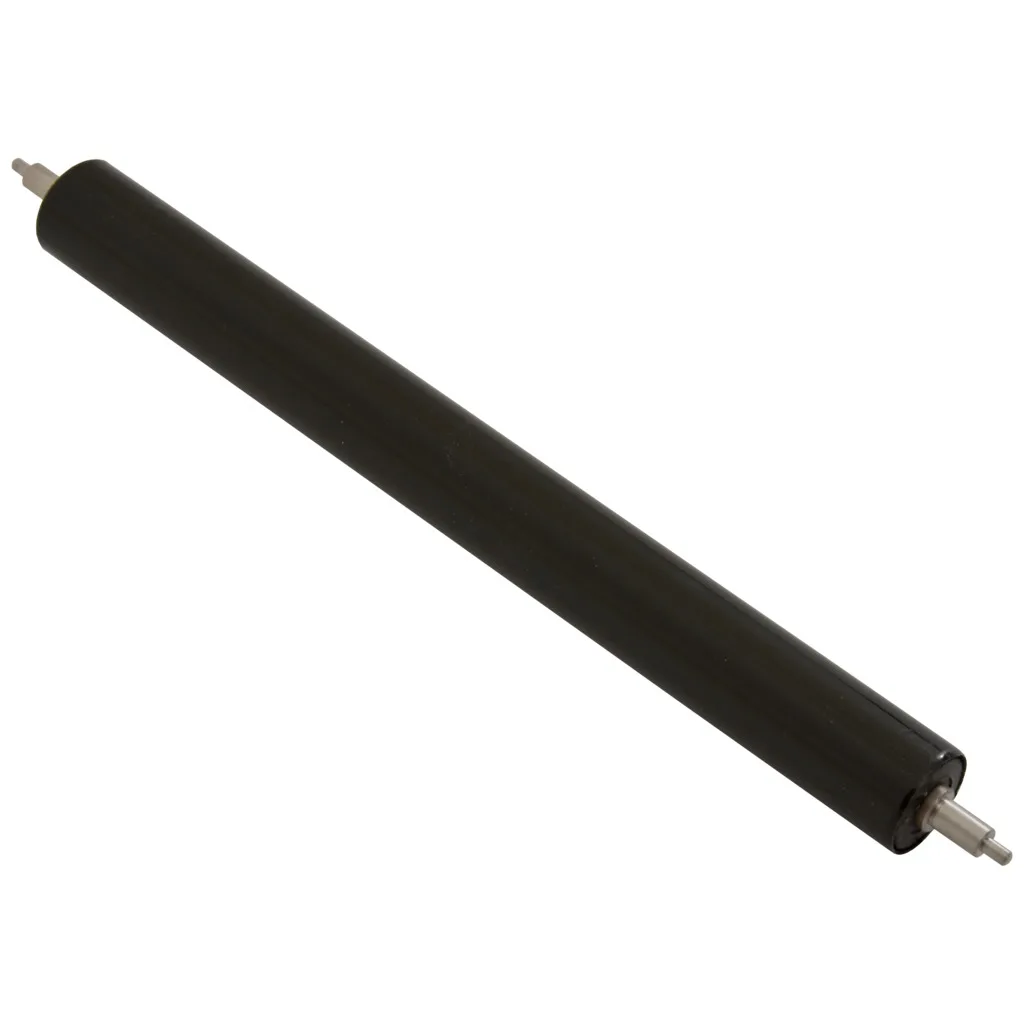
OKI's lower fuser rollers are not universal. They differ in diameter, length, bearing type, and coating. For example, the OKI C301/C321/C331 series uses a lower roller with a specific silicone sponge coating and metal core, while the C511/C531 series has a different length and gear configuration. Even within the same series, revisions can change the bearing or shaft design. Relying on a general 'OKI compatible' label is a recipe for returns.
Always cross-reference the OKI part number. Common lower fuser roller part numbers include 44472603 for C301/C321, 43858203 for C511/C531, and 42692601 for B410/B430. But part numbers alone aren't enough—check the printer's serial number range. OKI made mid-production changes without updating the model name. For instance, early C301s used a roller with a 20mm shaft, later ones 22mm. A roller that fits one won't fit the other.
If you're sourcing from a factory, ask for a compatibility matrix that lists printer models, part numbers, and any known revisions. At CLONER, we maintain a database of OKI fuser components and can produce rollers that match OEM specifications down to the bearing tolerance. For OEM/ODM orders, we can also customise the shaft length or coating to suit your specific market needs.
Page Yield: What Really Determines Lifespan
Page yield for a lower fuser roller is typically rated at 5% coverage on A4, but real-world performance depends on paper type, fuser temperature, and roller quality. OEM OKI lower rollers often last 60,000 to 100,000 pages, but aftermarket rollers can fail in half that if the silicone coating degrades or the bearings seize. The key is the coating: low-quality silicone hardens and cracks, causing toner offset and jams.
Look for rollers with a high-quality silicone sponge layer that maintains elasticity at high temperatures (up to 200°C). The metal core should be precision-ground to avoid vibration. Bearings must be heat-resistant and sealed to keep out toner dust. A roller that skimps on these details will show early symptoms: glossy prints, ghosting, or paper wrapping around the roller.
Testing is non-negotiable. Request samples and run them in a printer under heavy load. Check for even pressure across the roller—uneven pressure causes wrinkles or creases. Measure the roller's hardness with a durometer; it should match OEM specs (typically 30-40 Shore A for OKI lower rollers). If a supplier can't provide test data, walk away.
Inspection Points Before You Buy
When you receive a batch of lower fuser rollers, inspect them before they go into inventory. Start with the packaging: rollers should be individually wrapped to prevent contamination. Then check the roller surface for bubbles, cuts, or uneven coating. The ends should have clean, properly seated bearings. Spin the roller—it should rotate smoothly without wobble or noise.
Measure critical dimensions with calipers: outer diameter, length, and shaft diameter. Compare against OEM specs. A variance of more than 0.1mm can cause fuser failure. Also, check the gear if included—teeth should be sharp and free of flash. For OKI models with a separate gear, ensure it meshes correctly with the fuser drive.
If you're buying in volume, ask for a certificate of analysis (CoA) for each batch. This should include hardness, compression set, and dimensional checks. CLONER provides CoAs with every shipment and can customise testing protocols for OEM clients. We also offer ODM services where we reverse-engineer the roller from an OEM sample and produce a matching part with your branding.
Sourcing Tips: Factory-Direct vs. Trading Companies
Trading companies often source from multiple factories, leading to inconsistent quality. Factory-direct means you deal with the manufacturer, get consistent specs, and can negotiate better pricing for bulk orders. For OKI lower fuser rollers, look for a factory with experience in silicone and rubber compounding—this is where the performance lives.
Ask about production capacity and lead times. A dedicated factory can produce 50,000 rollers per month, but if they also make other parts, your order might be delayed. CLONER's factory in China specialises in fuser components and maintains stock of popular OKI models for quick turnaround. For OEM/ODM, we handle everything from design to packaging.
Don't overlook shipping and storage. Lower fuser rollers should be stored in a cool, dry place away from direct sunlight. Excessive heat can degrade the silicone before use. If you're importing, ensure the supplier uses proper packaging to withstand transit. A factory that understands this will use moisture-barrier bags and sturdy cartons.
Finally, negotiate a warranty. A good factory will stand behind their product for at least 6 months. CLONER offers a 12-month warranty on all fuser rollers and supports technical troubleshooting. Whether you need a few hundred rollers for your repair shop or a container load for distribution, we can match OEM quality at factory-direct prices.
Need a quote or samples from CLONER?
Factory-direct OEM/ODM supplier of compatible printer consumables & spare parts. Tell us your models — reply within 24h.