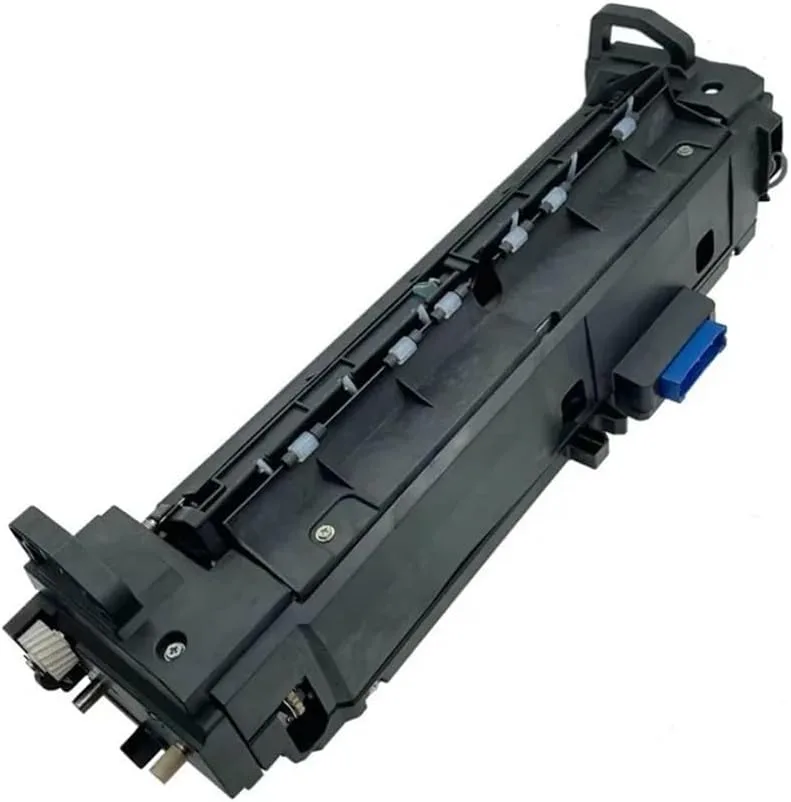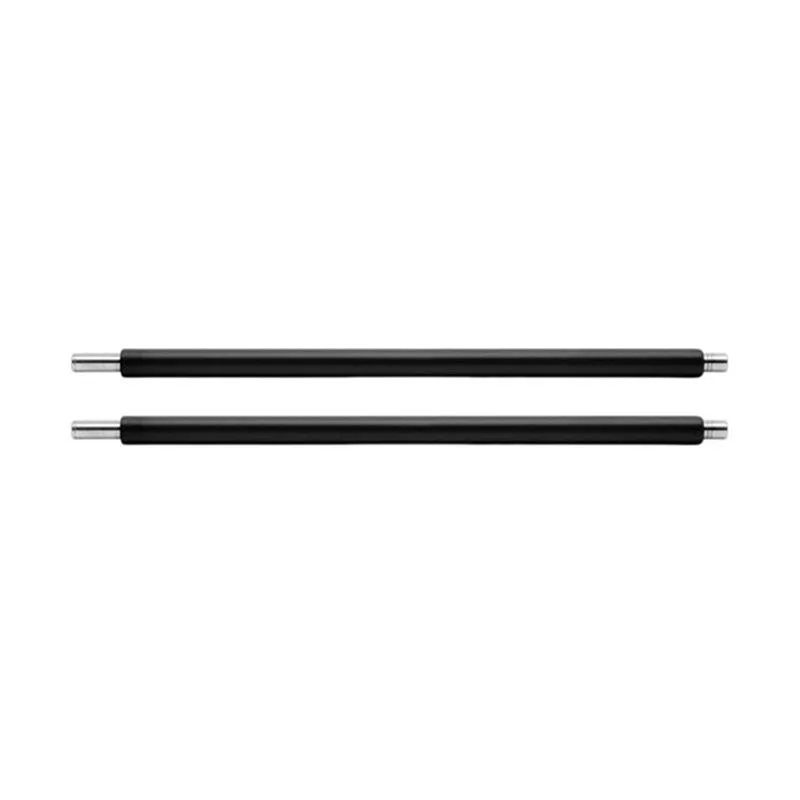
Bulk Sourcing Fuser Film Sleeve for Sharp: MOQ, Lead Time and QC for Print Shop Supply
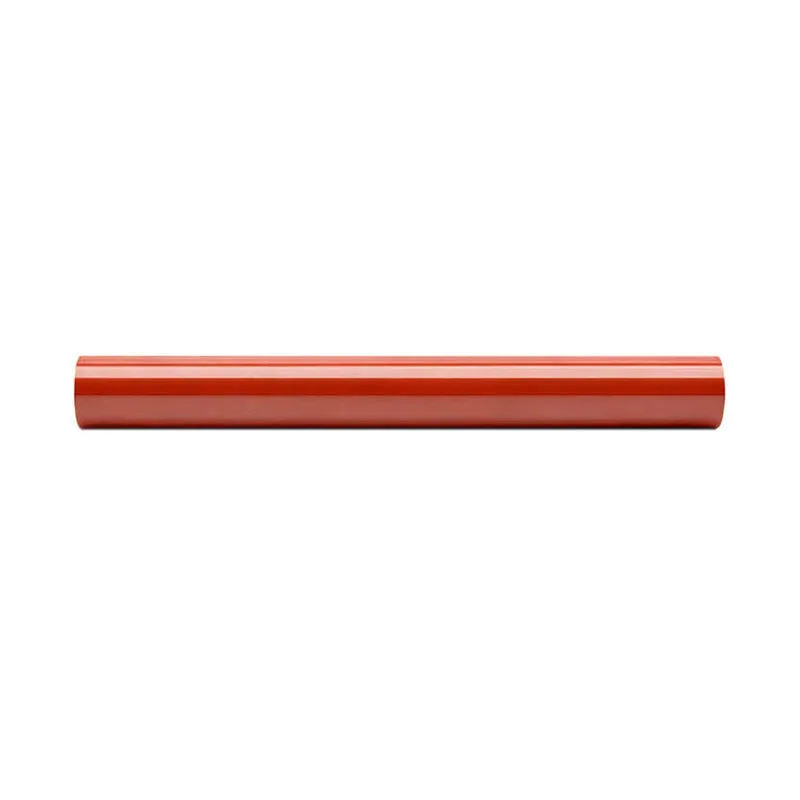
If you're stocking fuser film sleeves for Sharp's mid-volume and production machines—think MX-2610, MX-3110, MX-4100, or the newer MX-4070 series—you already know the pain of inconsistent aftermarket parts. One bad batch of film can mean wrinkled output, ghosting, or even a blown fuser unit, costing you service calls and credibility. This guide cuts through the noise, giving you the exact buying criteria we use at CLONER when we supply these sleeves to distributors in 40+ countries.
What to Check Before You Commit to a MOQ
Most Chinese factories quote a MOQ of 100 to 200 pieces per model, but that's rarely the real story. For Sharp fuser film sleeves, the actual minimum often ties to the specific substrate—PTFE-coated or PFA-based—and the thickness (typically 30 to 50 microns). If you're mixing models, ask for a blended MOQ. At CLONER, we allow a combined order across the MX series, helping you test the waters without overcommitting to a single slow-moving model.
Watch out for suppliers who quote a low MOQ then hit you with hidden costs: separate tooling fees for custom packaging, or a price break that only kicks in at 1,000 pieces. A reputable factory gives a tiered price list upfront, with clear increments (e.g., 200, 500, 1,000) and a firm lead time for each. We've seen buyers burned by a 'low MOQ' that actually meant a 60-day wait because the factory had to order base film from Japan—always confirm the lead time before you sign.
Lead Time Realities: Raw Material and Production
Sharp fuser film sleeves aren't off-the-shelf items. The base film—usually polyimide or PET—comes from a handful of suppliers in Japan or the US. If your supplier doesn't hold raw material stock, their lead time balloons to 45–60 days. At CLONER, we maintain a 30-day buffer on the most common Sharp sizes (A4 and A3), so our standard lead time is 15–20 days for orders up to 500 pieces. For larger orders or custom specs, we provide a production schedule with weekly updates.
One insider tip: ask about the curing process for the release layer. A proper PTFE or PFA coating needs a multi-stage bake to ensure even thickness and durability. Factories that cut corners on curing often ship sleeves that look fine but fail after 20,000 prints. We test every batch for surface roughness and release properties before packing cartons—that's non-negotiable for us, and it should be for your supplier too.
QC Inspection Points You Can Use on Arrival
Even with a good supplier, you need your own incoming inspection. Here's what we recommend checking on a sample from every batch:
- Visual: Look for pin holes, streaks, or uneven color on the film surface—signs of defective coating.
- Dimensional: Measure inner diameter and length against OEM spec. A deviation over 0.5 mm can cause paper jams or poor fusing.
- Feel: Run your finger along the inside edge—no burrs or rough seams that could snag paper.
If you're buying in bulk, ask for a pre-shipment inspection report with photos and measurements. A reputable factory provides that without hesitation. We do it for every order, and our clients often tell us it saves them from quarantining bad stock.
Selection Guidance: Matching the Right Film to Your Market
Not all Sharp fuser film sleeves are equal. For MX-2610 and MX-3110, standard PTFE-coated film works fine for most office environments. But if your customers run heavy card stock or labels, spec a PFA-based film—it handles higher temperatures and resists peeling. For the MX-4070 series, which uses a larger fuser roller, you need a film with a thicker base (around 40 microns) to prevent stretching over time.
Another factor is the release layer's surface energy. Some aftermarket films use silicone-based release, which can cause toner sticking in humid climates. Ask your supplier for the film's contact angle specification—anything below 110 degrees is a red flag. At CLONER, we offer two grades: standard for general use and premium with higher release performance, helping buyers choose based on local conditions.
Don't forget to check end caps and the thermistor contact area. A poorly designed end cap causes uneven pressure, leading to edge fusing defects. We've seen cheap films with flimsy plastic caps that crack after a few thousand prints—a service nightmare for your customers.
Protecting Your Margins with Smart Ordering
Once you've validated a supplier, plan orders around actual sales velocity. For a fast-moving model like MX-3110, a 500-piece order might last 3–4 months. For slower models, keep smaller safety stock and rely on your supplier's quick shipping. At CLONER, we offer a consignment program for top clients—you store stock at our warehouse, and we ship as needed, cutting lead time to 3–5 days without tying up capital.
Negotiate a return policy for defective units. A standard 2% allowance is fair, but ensure the supplier covers shipping for replacements. We've built our reputation on a 1% defect rate target, replacing any defective piece with no questions asked—that's the accountability you should expect.
At CLONER, we're not just a factory; we're your OEM/ODM partner. We can customize film length, coating, or even print your brand on packaging. If you're serious about a reliable supply chain for Sharp fuser parts, reach out with your target models and monthly volumes—we'll give you a transparent quote with realistic MOQs and lead times that keep shelves stocked and customers happy.
Need a quote or samples from CLONER?
Factory-direct OEM/ODM supplier of compatible printer consumables & spare parts. Tell us your models — reply within 24h.