Buying Toner Chips for Canon: A Field Guide for Copier Repair Shops
Canon imageRUNNER and i-SENSYS machines are the backbone of many repair shops' service contracts, but their toner chips are a frequent source of callbacks. A chip that misreads yield or throws an error code can turn a simple toner swap into a two-hour diagnostic session. The difference between a reliable chip and a problematic one often comes down to how it was sourced and tested. This guide covers what to inspect, how to match chips to specific Canon families, and why factory-direct options from CLONER are changing the game for independent shops.
Know Your Canon Chip Generations
Canon uses different chip technologies across their lineup. The older iR series (iR2016, iR2020, iR2520) typically uses simple serial EEPROM chips that store page counts and toner levels. These are straightforward, but many aftermarket versions cut corners on memory retention, causing premature 'toner empty' warnings. The newer imageRUNNER ADVANCE (C350i, C5535i) and i-SENSYS (LBP, MF) models use encrypted chips with rolling codes. If the chip's firmware isn't matched correctly, the machine may reject it outright or accept it but fail to reset the toner gauge. Knowing which generation you're dealing with is step one. CLONER maintains separate production lines for each chip type, ensuring the correct microcontroller and encryption are used, not a one-size-fits-all workaround.
Another wrinkle: regional firmware variations. A chip that works perfectly on a European iR-ADV C5535i may not function on the same model sold in North America or Asia. Canon often updates firmware silently, and a chip that worked six months ago might now trigger a 'non-genuine toner' error. This is why buying from a supplier that tests against multiple firmware versions is critical. CLONER runs each production batch through a battery of Canon machines with the latest firmware, so you're not the one discovering incompatibilities in the field.
Inspection Checklist for Incoming Chips
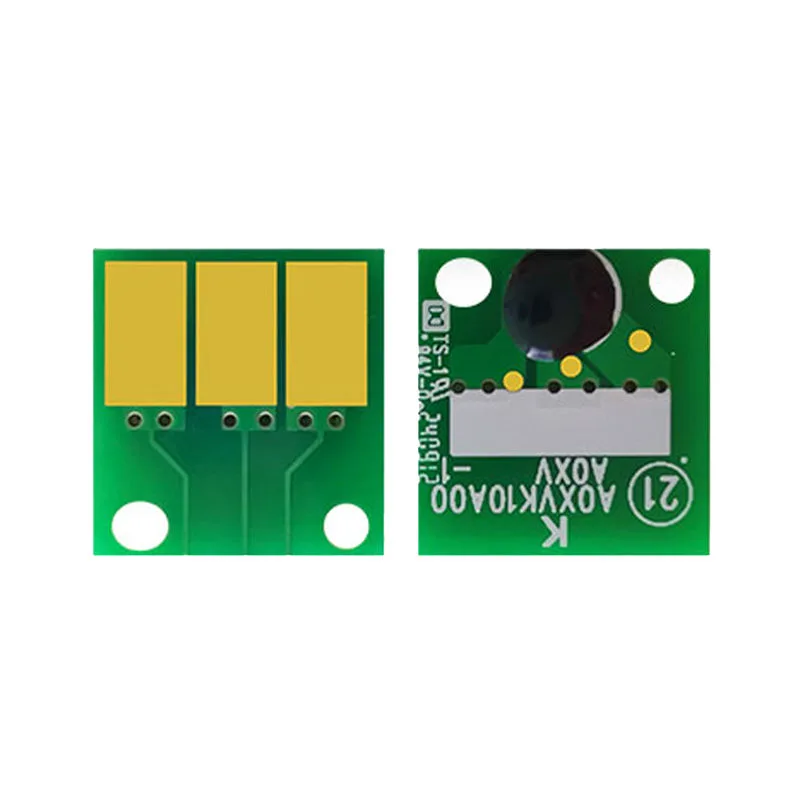
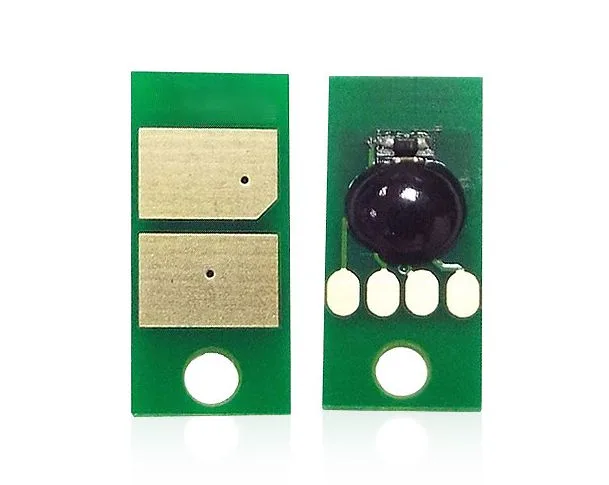
When a shipment of Canon toner chips arrives, don't just count the pieces. Inspect them. Start with the contact pads: they should be clean, gold-plated, and free of oxidation or solder flux. A dirty pad can cause intermittent communication errors that are maddening to diagnose. Next, check the chip's physical dimensions against an OEM sample. Slight variations in thickness or tab placement can prevent proper seating in the toner cartridge's chip socket. If the chip doesn't click in firmly, it may shift during shipping or machine vibration, leading to read failures.
Then, test a sample from each batch. You don't need a full machine for every chip, but a dedicated tester that simulates Canon's communication protocol can catch dead-on-arrival units. For encrypted chips, verify that the chip's data string matches the cartridge model and region. CLONER provides batch test reports and can customize test protocols for high-volume buyers. Finally, confirm the packaging: anti-static bags and moisture barrier protection matter because electrostatic discharge can fry a chip before it ever reaches a machine.
- Check contact pads for oxidation or flux residue.
- Compare physical dimensions to an OEM chip.
- Test a sample from each batch with a Canon-compatible tester.
- Verify data string matches model and region.
- Ensure anti-static packaging is intact.
Matching Chips to Cartridge and Machine
Canon's chip-to-cartridge mapping is not always intuitive. For example, the iR-ADV C350i series uses different chips for black versus color cartridges, and the chip for a standard-yield cartridge won't work in a high-yield version. Some aftermarket suppliers try to use a universal chip that can be programmed for multiple models, but these often fail under real-world conditions. The chip's firmware must match the cartridge's expected page yield and toner capacity, or the machine will calculate remaining toner incorrectly.
Cross-reference the OEM part number on the chip with Canon's documentation. If you're buying for a specific contract, provide your supplier with the exact machine model, firmware version, and cartridge SKU. CLONER's OEM/ODM service allows you to order chips pre-configured for your most common models, reducing the risk of mismatch. They also offer custom labeling and packaging if you resell under your own brand.
Pricing, Lead Times, and Supplier Reliability
Canon toner chips are not a commodity. Prices fluctuate based on chip complexity, order volume, and whether the chip is encrypted. A suspiciously low price often means recycled chips or units that failed quality control. These may work for a few hundred pages, but the failure rate climbs sharply after that. For repair shops, the cost of a callback far exceeds the few cents saved per chip.
Lead times matter too. If you're servicing a fleet of imageRUNNER ADVANCE machines, you can't afford to wait weeks for a shipment. CLONER holds inventory of popular Canon chips and ships factory-direct, cutting out middlemen and reducing delays. For OEM/ODM orders, they can produce custom batches in 7–10 days, depending on volume. That kind of turnaround keeps your service schedule on track.
Reliability also means consistency. A supplier that sends you chips from different production runs may introduce subtle variations that affect performance. CLONER maintains strict batch control, so the chip you order today behaves like the one you ordered last month. That predictability is worth more than a marginal price difference.
Why Factory-Direct Changes the Equation
Buying from a trading company adds layers of markup and obscures the manufacturing source. When you buy factory-direct from CLONER, you're dealing with the people who actually make the chips. That means you can request specific firmware versions, get technical support from engineers who know Canon's protocols, and negotiate pricing based on volume. For repair shops that go through thousands of chips a year, the savings and quality control are substantial.
CLONER's OEM/ODM capability also lets you private-label chips for your own brand. If you're a distributor, that's a way to build customer loyalty without investing in your own production line. The factory handles the encryption, testing, and packaging; you focus on sales and service. It's a partnership that makes sense for shops tired of gambling on unknown suppliers.
Next time you order Canon toner chips, ask where they were made and how they were tested. The answer will tell you whether you're buying a reliable component or a future headache.
Need a quote or samples from CLONER?
Factory-direct OEM/ODM supplier of compatible printer consumables & spare parts. Tell us your models — reply within 24h.