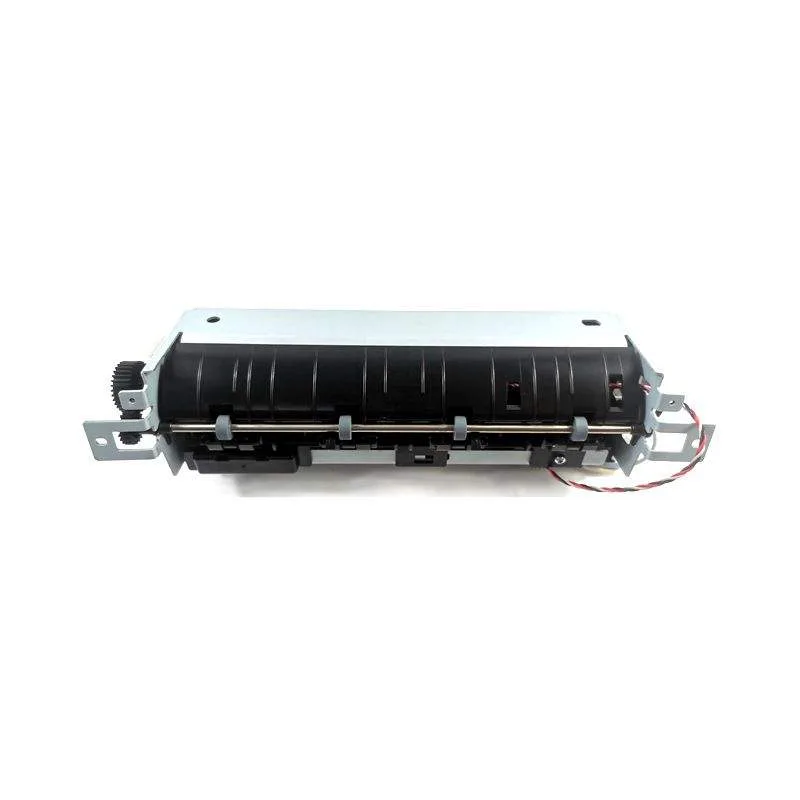
High Stability Fuser Film Sleeve for Canon: Bulk Buying Guide for Toner Cartridge Suppliers
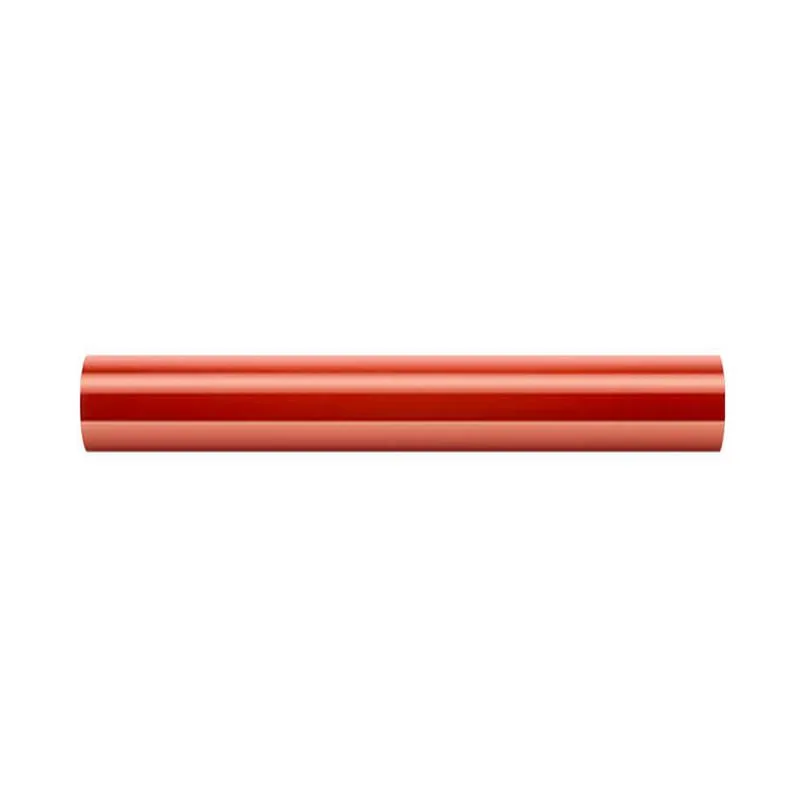
If you're sourcing fuser film sleeves for Canon printers in bulk, you already know the pain: one bad batch can mean a wave of callbacks, seized rollers, and angry customers. The Canon fuser film sleeve—whether it's for the iR series or the LBP line—is a high-heat, high-friction component that takes a beating. Get the wrong one, and you'll see wrinkling, jams, and ghosting within days. Here's what I've learned from years in the field, and how to buy these sleeves like a pro.
Know Your Canon Models and Their Film Specs
Canon uses different fuser film sleeves across its range. The iR2520/iR2530 series uses a 30mm diameter film, while the LBP6670/LBP7780 use a 24mm one. The older iR2200 series? That's a 40mm with a different base material. Don't assume one size fits all—ordering the wrong spec is the fastest way to burn your margin. Always check the part number against the model's service manual. For example, the iR2520 film is often sold as FM4-5720-000, but some aftermarket suppliers list it under generic codes. When buying in bulk, ask for the exact OEM cross-reference.
Another critical spec is the base material. Canon original films use a polyimide (PI) base with a PFA coating. Some cheap aftermarket films use PET or a thinner PI, which can't handle the 200°C+ surface temperature. They'll deform or delaminate after a few thousand prints. Ask your supplier for the material data sheet. If they can't provide it, walk away.
Inspect the Film Sleeve Like a Pro
Before you commit to a bulk order, request samples and run a simple visual and tactile inspection. First, check the seam. A quality sleeve has a seamless, welded join that's almost invisible. If you see a raised ridge or a gap, that's a failure point. Second, run your finger along the surface. It should be slick and uniform, with no bumps or pits. The coating should be consistent—any bare spots will cause toner to stick and create jams.
Also, measure the inner diameter with a caliper. It should match the spec within 0.1mm. If it's off, the sleeve will slip on the fuser roller or cause uneven pressure. And here's a trick: hold the film up to a light. If you see pinholes or streaks, reject it. Those defects lead to hot spots and premature wear. I've seen buyers skip this step and pay for it in warranty claims.
Test for High Stability: Heat and Pressure Cycles
High stability isn't just a buzzword—it's about how the film holds up under repeated heat cycles. A good sleeve will maintain its dimensions and surface integrity after 50,000 prints. To test, run a sample in a real Canon printer or a hot roller test rig. Set the temperature to 200°C and cycle it 100 times. Measure the film's length and diameter before and after. If it stretches more than 1%, it's a cheap film that will cause paper jams and poor fusing.
Another test is the crease test. Fold the film slightly—if it cracks or leaves a permanent crease, the base material is too brittle. That's a common issue with low-cost films. You want a film that can flex without breaking, because the fuser roller exerts constant bending stress. In my experience, only films with a PI base and a thickness of at least 25 microns pass this test. Anything thinner is a gamble.
Bulk Buying: What to Look for in a Supplier
When you're ordering in bulk, consistency is king. You don't want a batch where the first 100 sleeves are fine but the next 200 have a different coating. Ask your supplier about their production batch controls. Do they test each batch? What's their defect rate? A reputable manufacturer will have a QC process and can provide a certificate of analysis. Also, check their packaging. Sleeves should be shipped in anti-static bags with proper cushioning. If they arrive crushed or scratched, they're useless.
Lead times matter too. If you're a wholesaler, you don't want to hold too much inventory, but you also don't want to run out. A factory-direct supplier like CLONER can offer flexible MOQs and reliable lead times—typically 15-20 days for custom orders. They also offer OEM/ODM services, so you can get the sleeve with your own branding or even a custom spec if you have a unique application. That's a huge advantage when you're competing on price and quality.
Why CLONER's Factory-Direct Model Works for You
I've been to CLONER's factory, and they've got the equipment to match the big names: precision coating lines, laser welding for seams, and automated inspection. Because they're the manufacturer, you cut out the middleman. That means better pricing and direct communication with the engineers who can tweak the product to your needs. If you're sourcing for a large contract, they can even adjust the film's thickness or coating formula to hit a specific durability target.
Their OEM/ODM support is practical, not just marketing. You can get custom packaging, private label, or even a hybrid film with a different release layer if you're serving a niche market. And since they handle the whole production, you get consistent quality batch after batch. For a bulk buyer, that's the kind of reliability that keeps your customers happy and your margins healthy.
Before you place your next order, do your homework: verify the specs, test the samples, and choose a supplier who can prove their stability. CLONER's factory-direct approach gives you the transparency and control you need to source high-stability fuser film sleeves for Canon with confidence.
Need a quote or samples from CLONER?
Factory-direct OEM/ODM supplier of compatible printer consumables & spare parts. Tell us your models — reply within 24h.