Samsung Copier Feed Roller Quality Check: A Buyer's Guide Before You Order
If you're sourcing feed rollers for Samsung copiers—whether it's the CLX-3300 series, SL-M2870, or the older SCX-4828—you know the pain of a roller that skips, picks double, or wears out after 10K prints. The market is flooded with cheap aftermarket rollers that look right but fail fast. Here's how to check quality before you buy, so you don't end up with a warehouse full of returns.
Physical Inspection: What to Look For
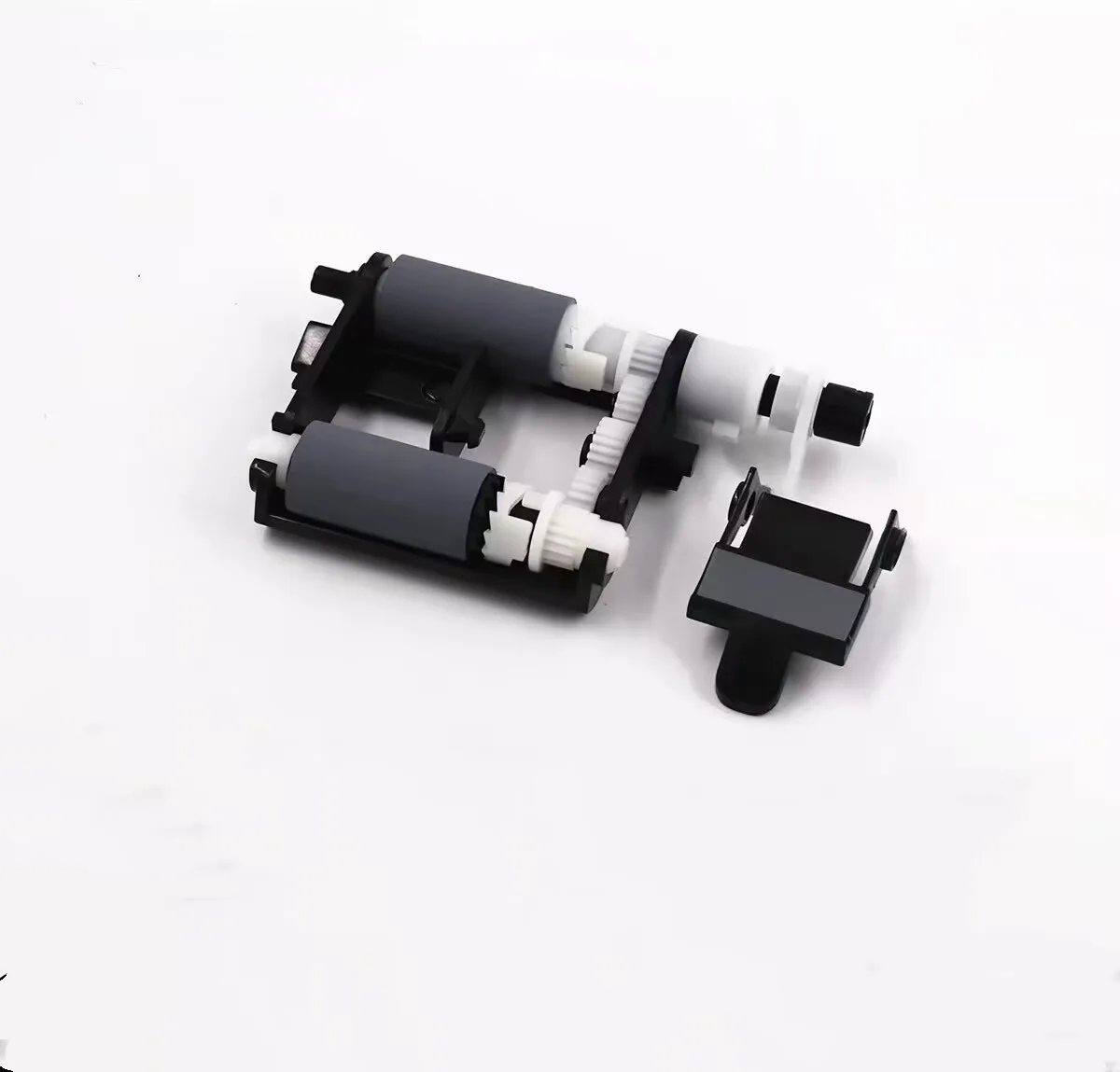
Start with the obvious—the rubber. A quality feed roller for Samsung uses a high-friction EPDM or polyurethane compound. Squeeze it. It should have a slight give, not rock-hard. If it feels like plastic, it's likely reground or low-grade material that will harden and glaze over within months. Look at the surface: it should be smooth, with no visible mold lines or rough edges. Check the shaft—it must be precisely machined, with no burrs or wobble when rolled on a flat surface.
Also, count the ribs or teeth if it's a friction pad style. Samsung rollers often have a specific pattern for paper separation. If the pattern is off, even by a millimeter, you'll get misfeeds. Compare it side-by-side with an OEM sample if you have one. That's your baseline.
Material and Build: The Real Test
Don't trust the datasheet. Ask for the durometer (hardness) rating. For Samsung feed rollers, you want around 45-55 Shore A. Too soft and it'll deform under pressure; too hard and it won't grip. Ask the supplier for a test report—a real one, with batch numbers. If they can't provide it, walk away.
Check the bushing or bearing area. Many aftermarket rollers use cheap metal sleeves that corrode or seize. Look for a self-lubricating bushing, or at least a smooth, polished surface. Also, verify the roller's core—is it aluminum or plastic? For Samsung's high-volume machines, aluminum cores dissipate heat better and last longer. Plastic cores are fine for low-end models, but if you're buying for a busy office, go with metal.
Performance Testing: Beyond the Bench
You can't test every roller, but you can ask for a sample batch. Run them in a real Samsung copier—ideally the model you're buying for. Test with 80gsm paper, and also with rough, recycled stock. A good roller will pick consistently without double-feeding. Listen for squeaking—that's a sign of poor lubrication or bad rubber.
Check the wear after 5,000 sheets. The surface should show minimal glazing, and the diameter should be within 0.1mm of spec. If the supplier won't send samples for a field test, that's a red flag. In the aftermarket parts business, samples are non-negotiable.
Compatibility and Certifications: Don't Get Burned
Not all Samsung copiers are the same. The feed roller for a Samsung X4220RX is different from a SCX-4833. Confirm the exact model number, not just the series. Ask for a cross-reference chart. Also, check if the roller meets RoHS and REACH—if you're shipping to Europe, non-compliant parts will get stuck at customs.
Another thing: look for the OEM part number. For example, Samsung part JC66-01019A is a common feed roller. If the supplier lists that number, it should match the dimensions exactly. Use a caliper to measure the roller's length, diameter, and shaft size. Even a 0.5mm difference can cause paper jams.
Supplier Vetting: What to Ask Before You Order
When you're negotiating, ask about their production capacity and lead times. A reliable supplier will have a consistent stock, not just batch production. Ask about their quality control process—do they test each batch? What's their defect rate? A good target is under 0.5%.
Also, ask about packaging. Feed rollers should be individually wrapped to prevent dust and deformation. Bulk packaging can crush the rollers, affecting roundness. And clarify the warranty—most reputable suppliers offer a 12-month warranty against manufacturing defects. If they balk at that, move on.
One more tip: order a small trial lot first, even if you plan to buy in bulk. This lets you verify quality in your own environment. It's worth the extra shipping cost.
CLONER: Factory-Direct Quality, OEM/ODM Flexibility
At CLONER, we're not a trading company—we're the factory. That means you get direct access to the production line, with the ability to customize rollers for specific Samsung models, including non-standard sizes for older machines. Our rollers are made from virgin materials, tested to match OEM specs, and we offer OEM/ODM services—so you can have your own branding, or even a modified design for special paper types. With a 0.3% defect rate and 24/7 support, we're built for B2B buyers who need reliability at scale. Contact us for samples, and put our rollers to the test in your own shop.